Author: montebaco

The tannins of wine

Tannins are phenolic compounds that occur naturally in many plants. In the case of wine, they come mainly from the skin, seeds and stems of the grape, as well as from the wood of the barrels in which it is aged. Tannins are responsible for that feeling of dryness or astringency that we notice in our mouth when we drink a red wine. That texture that seems to “dry” the tongue and gums is the clearest trace of its presence.

Tannins serve several key functions:

Structure and body. They bring firmness to the wine, giving it a backbone and helping to balance the fruit, acidity and alcohol.

Aging capacity. They act as natural antioxidants, allowing the wine to evolve over time. A wine with well-integrated tannins can improve for years in the bottle.

Texture. They directly influence the tactile sensation in the mouth, from soft and silky tannins to more marked and robust ones.

Harmony in tasting. They combine with other elements of wine, such as acidity or alcohol, generating complexity.

The term “tannin” was not born in oenology. Its origin is in the Latin verb tannare, related to the tanning of hides. For centuries, vegetable tannins were used in the leather industry for their ability to fix and preserve.

Later, tannins began to be talked about in the field of wine, when it was observed that these compounds were not only present in the grape, but also played a decisive role in its longevity and taste sensations. Today, far from being a technicality reserved for winemakers, it is a term that any wine aficionado instantly recognizes.

Not all tannins are the same, nor are they perceived in the same way. The grape variety, the climate, the type of winemaking and the time spent in barrels have an influence.

Thick-skinned red grapes such as Tempranillo, the queen in Ribera del Duero, usually give rise to wines with firmer tannins.

Thinner-skinned grapes, such as Merlot, tend to offer softer, more rounded tannins.

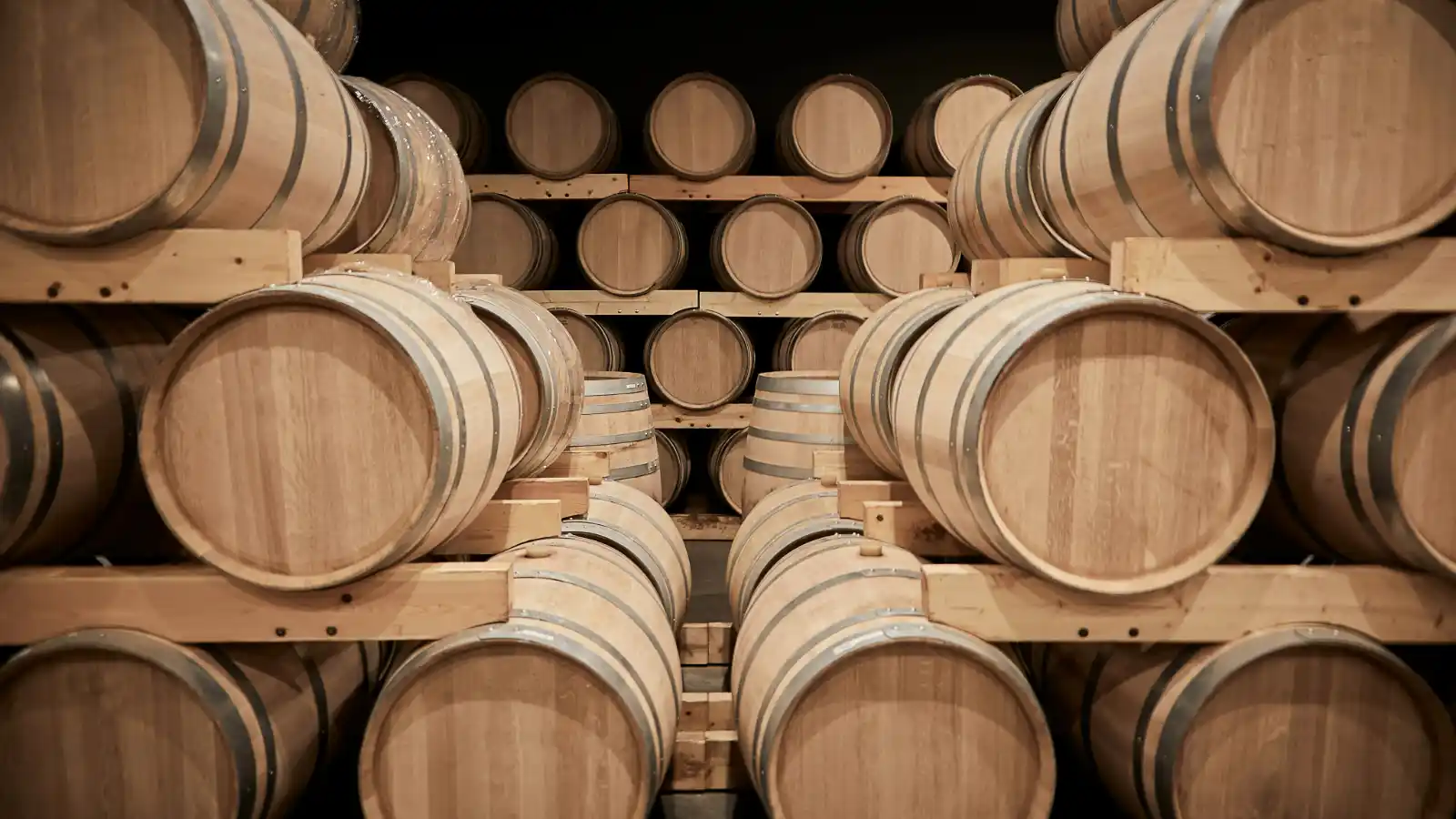
Barrel ageing adds tannins from the wood, which add complexity and toasted or spicy nuances.

A close example can be found in the Ribera del Duero, where the maturation of Tempranillo allows wines to be made with intense but balanced tannins, ideal for evolving in the bottle and gaining nuances over the years.

Tannins do not have flavor per se, but generate a tactile sensation in the mouth. To identify them:

  • Take a sip of wine and hold it for a few seconds before swallowing.
  • Look at the tongue and gums: if you notice dryness or roughness, it’s the tannins at work.
  • The higher the concentration, the greater the feeling of roughness or structure.

With practice, it is possible to distinguish between “sweet” tannins, which are more polished and soft, and “green” tannins, which are rougher, which usually appear when the grape has not reached its optimum ripeness.

The astringency of tannins finds a great ally in proteins and fats. For this reason, red wines with a good tannic load pair wonderfully with red meats, stews or cured cheeses. Tannins soften the greasy sensation, while food helps round out the perception of wine.

Over time, the tannins are transformed. In a young wine, they are usually more intense, marked and rough. As wine ages, they polymerize, which means they bond together forming longer chains and become silkier.

Hence, the experience of drinking a young red wine from Ribera is different from that of uncorking a crianza or a reserva with years of evolution. In the first, we will perceive lively and vibrant tannins; in the second, more mature, integrated and elegant tannins.

The magic is in the harmony, in how each winemaker manages to tame these compounds to give personality to their wine. In that sense, each glass tells a story of land, climate and tradition, where tannins are silent protagonists.

Tannins are much more than a technical term, far from being a concept reserved for experts, tannins are part of the sensory experience that we all enjoy when drinking wine. They are responsible for the structure, texture and ageing capacity, and they explain to a large extent why a wine can excite today and continue to surprise in ten years’ time.

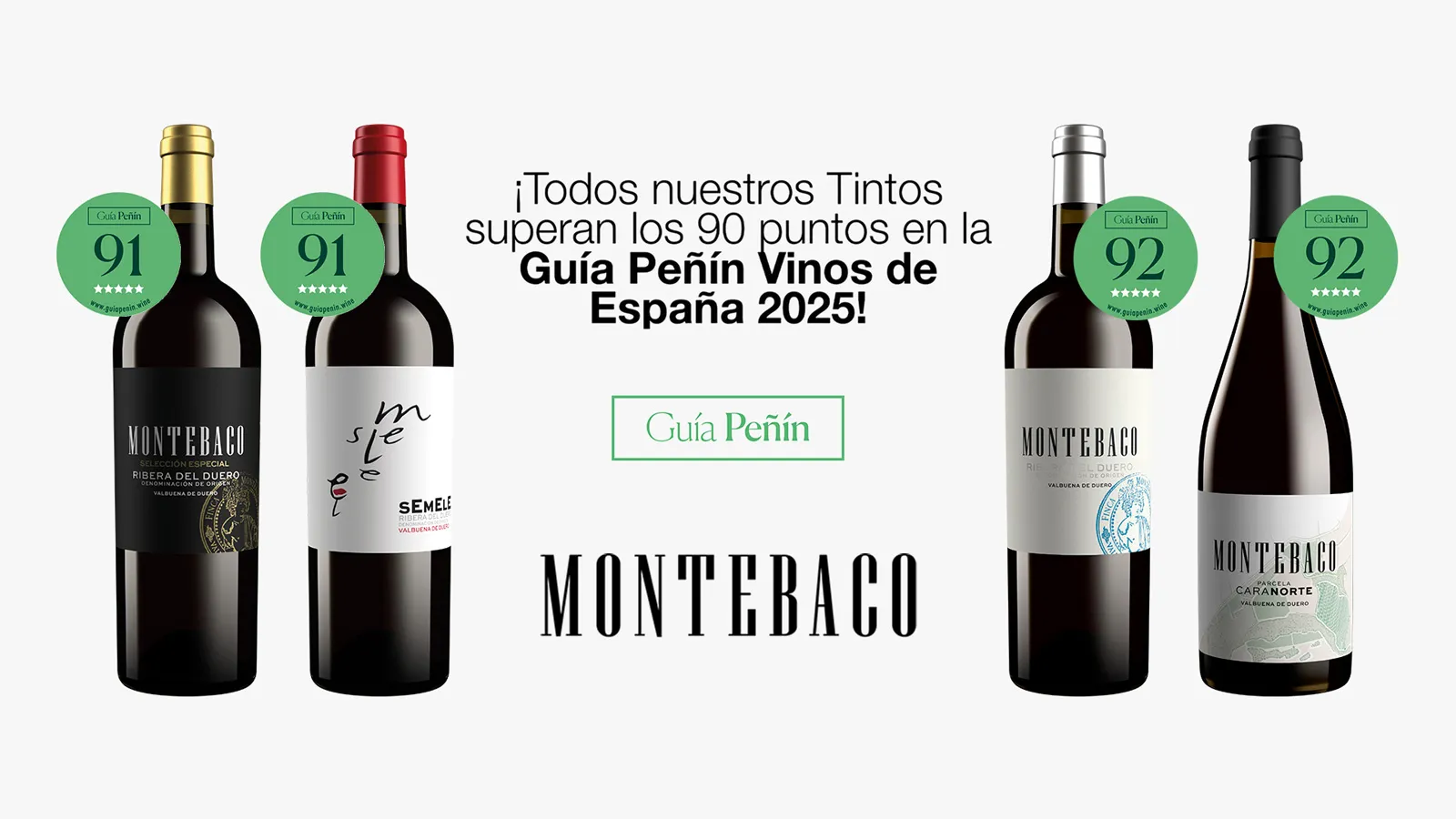
The next time you uncork a bottle of Montebaco Semele, Montebaco de Finca, Montebaco CaraNorte or Montebaco Selección Especial, remember to stop at that sensation of firmness in the mouth, it is the tannins speaking to you.

How a tasting is carried out

How a tasting is carried out

The process of wine tasting is a practice that combines technique, knowledge and sensitivity to evaluate the organoleptic characteristics of a wine. Through sight, smell and taste, the taster analyses aspects such as colour, aroma, texture and flavour, in order to understand their quality, state of conservation and possible pairings. Although it may seem like a simple act, tasting requires training and attention to detail, as each phase provides relevant information about the origin, production and evolution of the wine.

The wine tasting is structured in several stages. The first is the visual phase, which allows you to get the first impressions of the wine. To do this, the crown is held by the stem and its color, intensity and brightness are observed on a white background. The color can offer clues about the variety of the grape, the age of the wine, or its production process. In red wines, for example, purple tones indicate youth, while tile or brown shades reflect evolution. In the whites, the greenish colours are characteristic of young wines, and the golden colours are characteristic of older or barrel-fermented wines. In addition to color, clarity, which reveals the absence of impurities, and fluidity are evaluated, observing the tears or legs that form when shaking the glass, indicators of alcohol and glycerin content.

The second stage is the olfactory phase, which takes place in two stages: on the nose and after shaking the wine. In the first approach, the taster perceives the most volatile aromas. Subsequently, when shaking the glass, more aromatic compounds are released, intensifying perception. Aromas are classified into primary, secondary and tertiary. The primary ones come from the grape and can be floral, fruity or vegetable. The secondary ones are generated during fermentation and are usually reminiscent of dairy, yeast or bakery. Tertiary ones appear during aging and provide notes of wood, spices, nuts or even balsamic and animal aromas. Identifying and describing these nuances is essential to understanding the complexity and personality of wine.

The taste phase is the most complete, as it integrates the sensations perceived in the mouth. The taster takes a small sip and distributes it throughout the oral cavity to assess the balance between the four basic tastes: sweet, sour, salty, and bitter. In wines, sweetness comes from residual sugars; acidity, from the natural acids of the grape; and bitterness, from the tannins present especially in reds. The texture or body of the wine is also analyzed, related to the sensation of density and volume in the mouth. During this phase, it is important to pay attention to the retronasal, that is, to the aromas that are perceived when exhaling through the nose while the wine is in the mouth, which allows a more complete assessment of its bouquet.

After tasting, the aftertaste or finish of the wine is evaluated, which is the sensation that remains after swallowing or spitting. A quality wine usually leaves a long and pleasant memory, while a simpler one disappears quickly. The duration and quality of the aftertaste are decisive factors in the overall evaluation of the wine.

In addition to the three main phases, the tasting also involves a global judgment in which the perceptions obtained are integrated. Here it is determined whether the wine is balanced, harmonious and representative of its type or denomination.

There are different types of tasting depending on the objective. The technical tasting seeks to evaluate specific parameters and is usually carried out by oenologists or professionals. Comparative tasting allows several wines to be analysed simultaneously to appreciate their differences. There are also blind tastings, in which the identity of the wine is hidden to avoid prejudice, and hedonic tastings, aimed at the personal and subjective enjoyment of each participant.

As an example, this is the result of some tastings of Bodegas Montebaco wines:

Montebaco De Finca, concentrated red, bright cherry color. On the nose it is elegant, sophisticated and somewhat complex, with aromas of ripe fruit and berries, spicy notes, minerals and fine wood. On the palate it is broad and fruity, with lively and vibrant tannins. Very pleasant.

Parcela Cara Norte, wine with personality, cherry red and violet rim. On the nose it is intense, with aromas of fruit, black fruit and fresh fruit. On the palate it is dense, with well-integrated acidity, balanced with fruity aromas such as black fruit, blueberries, blackberries and sloes.

Montebaco Special Selection, a resounding wine that has a cherry red colour with a slightly garnet rim. On the nose it has great complexity, with intense aromas. Fruity hints of black plums and blackberries, with lactic touches. It evokes exceptional ageing in a careful wood with spicy and dark chocolate echoes along with a delicate balsamic reminiscence. On the palate it is powerful, balanced and with a magnificent flavour. Enjoy ripe and silky tannins of exceptional quality.

Semele, a friendly and direct red wine, perfect for those who are starting out in reds aged from Ribera del Duero. On the nose it gives a perfume of blackberries and blueberries, adorned with floral notes and a spicy touch that gives it personality. On the palate it is tasty and fresh, with soft tannins that cover the palate without imposing itself.

Beyond its evaluative function, wine tasting is also a cultural and social tool. It allows you to discover the diversity of winemaking, understand the work of winegrowers and winemakers, and foster appreciation for a product with centuries of history. Each wine tells a story of its terroir, its climate and its production, and the tasting is the means to listen to it.

In short, wine tasting is a process that combines science, art and sensitivity. With practice and attention, anyone can develop their analytical skills and enjoy the nuances that each wine offers. It is not just about identifying flavors and aromas, but about living a sensory experience that connects with culture, gastronomy and the pleasure of sharing.

Organic wine in the Ribera del Duero

Organic wine has gone from being a curiosity in specialized stores to becoming a common choice among those who value sustainability, health and authenticity in the glass. But what is an organic wine really? What differentiates it from conventional wine? And why are more and more wineries opting for this way of understanding viticulture?

What is organic wine?

An organic wine is one made from grapes grown without pesticides, herbicides or chemical fertilizers. Organic farming methods are followed in its production, respecting the natural cycles of the vineyard, promoting biodiversity and avoiding aggressive artificial treatments.

To be certified as a certified organic wine, the winery must follow specific practices during winemaking. The use of sulphites is limited, non-permitted additives are excluded and processes that minimise environmental impact are committed. All of this is regulated by European regulations.

Benefits of organic wine. Choosing an organic wine is not just following a trend. It is a commitment to the planet, health and taste. Here are some of its advantages:

Respect for the environment. Sustainable wines are produced without polluting the soil or water. The absence of chemicals protects the auxiliary fauna and improves the health of the vineyard ecosystems.

Lower impact on health. As it does not contain pesticide residues or herbicides, organic wine is a cleaner and safer option. Ideal for those looking for a more natural and conscious consumption.

Best expression of terroir. Many experts agree, organic viticulture allows the grape to express more faithfully the character of the soil and climate. The resulting wines are more authentic, with defined aromatic profiles and no masking.

Support for the rural environment. Consuming organic wines from small wineries helps to keep the villages alive, generate local employment and preserve winemaking traditions that are part of the heritage.

Requirements to be an organic wine. For a wine to be considered organic, it must meet certain requirements throughout the process:

  • Cultivation without chemical synthesis products
  • Sustainable agricultural practices, such as groundcover and biological pest control.
  • Organic winemaking, limited use of sulphites, native yeasts, minimal intervention.
  • Official certification, with the European organic logo and the seal of the competent body.

This process of conversion to organic lasts at least three years. Only then can the wine be legally labeled as such.

At Bodegas Montebaco we make CaraNorte, an organic high-altitude wine. This wine comes from vines grown organically at an altitude of more than 800 metres. The vineyards are located between Valbuena and Pesquera de Duero. The north orientation, together with a cooler climate, allows a slow and complete ripening of the grapes, resulting in a very clean aromatic profile, with red fruit, floral notes and a mineral background.

Montebaco CaraNorte not only meets the requirements of a certified organic wine, it also represents a way of understanding wine as an expression of place and respect for nature. It is a clear example of how a quality organic wine can compete at the highest level, without compromising the origin or the future of the vineyard.

Spain is one of the leading countries in terms of organic vineyard area worldwide. Every year, more wineries join this form of production, driven by the demand of an increasingly informed and demanding consumer.

Spanish organic wine is the result of a work philosophy that seeks to protect the environment, take care of the consumer and make wines with soul. Initiatives such as that of Bodegas Montebaco with CaraNorte wine are an example that it is possible to look to the future of wine without losing the connection with the land.

Wine lees, the value of the invisible

In winemaking, there are elements that are protagonists from the first sip, the grape variety, the barrel aging, the terroir… But there are also silent, discreet processes that occur in the shadows of the tank or barrel and that, however, profoundly mark the quality and personality of a wine. One of them is working with lees.

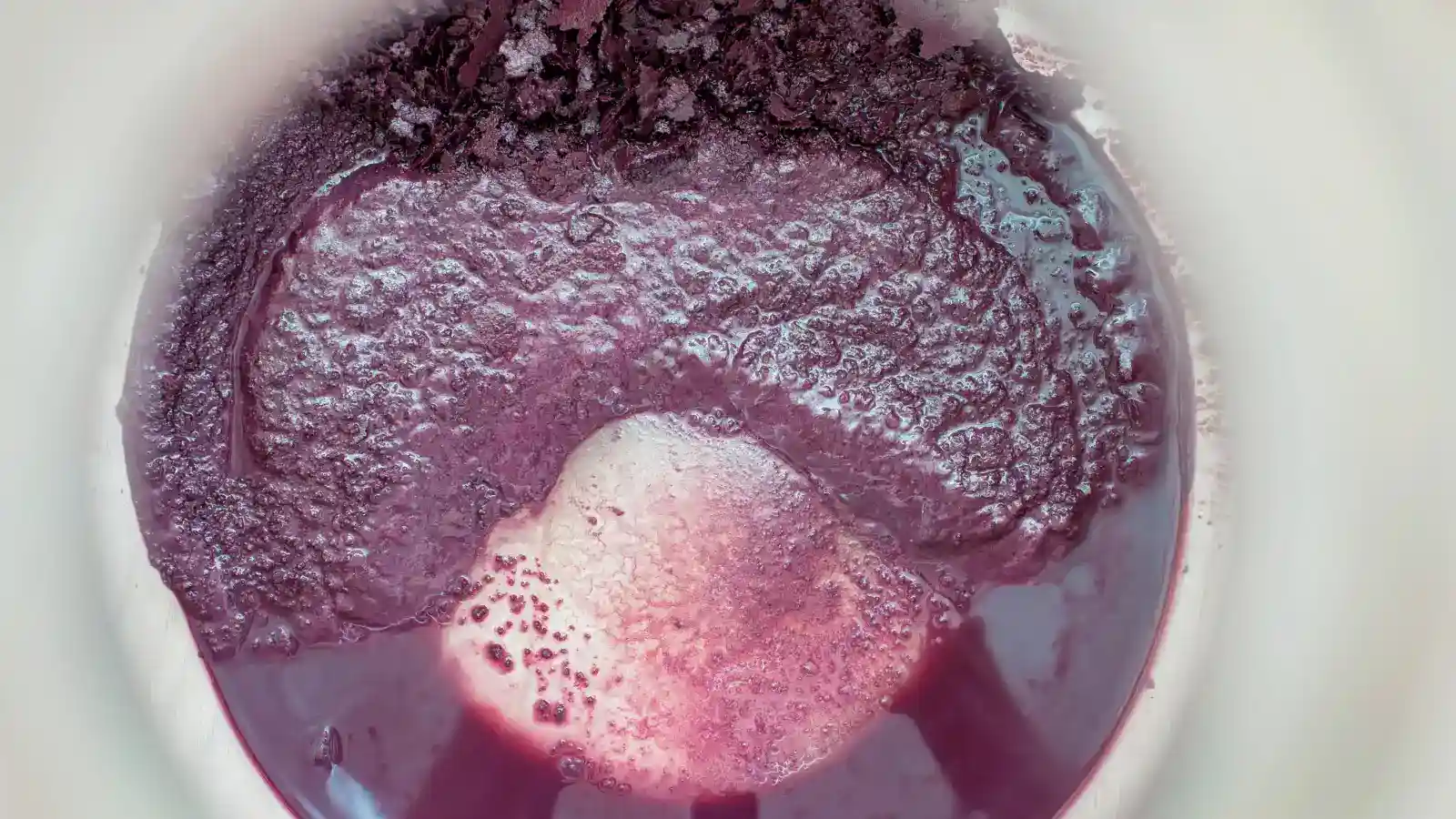
The lees are the set of sediments that are formed at the end of alcoholic fermentation. They are mainly composed of dead yeasts (after having transformed the sugars in the must into alcohol), remains of plant cells, potassium bitartrate and other solid compounds.

They are differentiated between coarse lees, which are deposited quickly and are usually removed at the end of fermentation, and fine lees, which are lighter and remain suspended for longer. It is precisely these fine lees that are used in ageing on lees (élevage sur lies, in French), a technique that is highly valued in both white and sparkling wines, and more occasionally in some reds.

During aging on lees, a process known as autolysis takes place, in which dead yeasts slowly decompose, releasing compounds that enrich the wine. Among the most outstanding effects of this practice, we can point out:

  • Greater volume and greasiness in the mouth

The polysaccharides and mannoproteins released during autolysis act as textural agents. They help the wine gain body, roundness and that enveloping sensation, which is often perceived as creaminess.

  • Aromatic complexity

The lees give the wine notes that go beyond the primary fruit. Descriptors such as toasted bread, brioche, butter, nuts, yeast, and even certain spicy or lactic nuances appear, depending on the contact time and whether or not the batonnage (periodic removal of the lees) has been applied.

  • Physicochemical stability

Mannoproteins also have a positive effect on the tartaric and protein stability of wine. In addition, they act as natural antioxidants, reducing the need for sulfites and allowing a slower and more harmonious evolution.

  • Increased persistence

The aftertaste of a wine aged on lees tends to be longer and more structured, with a more solid sensation in the center of the mouth and a greater retronasal aromatic persistence.

Ageing on lees is a common practice in several styles of wine, especially in whites with a gastronomic or ageing vocation, where the combination of fermentation in barrels and ageing on lees results in elegant and deep wines. More and more producers are opting for ageing on lees.

An example would be Montebaco Rueda, made with grapes of the Verdejo and Sauvignon variety, aged for 3 months on lees, before bottling.

What role does batonnage play? Batonnage consists of periodically stirring the lees to keep them suspended inside the wine. This action promotes contact between the lees and the liquid, intensifying the release of beneficial compounds.

However, it depends on the style you are looking for. Excessive batonnage can overload the wine, make it heavy, or reduce its freshness. For this reason, many winemakers opt for static aging, where the lees rest without agitation, developing a more subtle and elegant profile.

Working with lees requires technique, sensitivity and patience. It is not just a matter of leaving the wine with its sediments, but of knowing when to intervene, how long to maintain contact and what style of wine you are looking to build.

When done well, the result is a more complex wine, with more nuances, texture and capacity for evolution. A wine that is not limited to liking, but generates conversation. That is not only drunk: it is analyzed, saved, remembered.

Oak ageing

The passage of wine through oak barrels not only responds to practical reasons related to conservation and transport, as was the case in ancient times, it also has a profound impact on the aromatic, gustatory and structural profile of the wine. The oak barrel has established itself as an essential instrument in winemaking, transforming wine into a complex and refined drink.

The use of oak in winemaking is not new. For centuries, winegrowers all over Europe discovered that this wood was not only resistant and relatively easy to work with, but also had an amazingly positive impact on the taste and structure of the wine. There are two types of oak predominant in the world of wine, French and American. Each one brings different nuances.

French oak is finer in its grain and brings more subtle aromas, notes of spices, vanilla, nuts, even some smoke.

American oak, on the other hand, has a more open grain and usually delivers more intense hints of coconut, sweet vanilla and caramel.

The type of oak chosen, as well as the degree of toasting of the barrel, has a profound influence on the final profile of the wine.

But oak does not only provide aroma. Its real magic is in how it allows a slow micro-oxygenation of the wine. Through its natural pores, it lets in tiny amounts of oxygen that help soften tannins, stabilize color, and round out texture. He is a silent tuner, a master of balance.

Not all wines go through oak, and not all those that do need it. But in the case of wines with a vocation for ageing, or those that seek a deeper and more complex expression, oak becomes an indispensable ally.

And that’s the key, the good use of oak is not noticeable by excess, but by harmony. An overwood wine loses freshness and naturalness, a well-worked oak wine gains depth without losing its soul. At Bodegas Montebaco we are committed to high quality barrels, the result is a recognizable style, with structure, elegance and a modern touch that does not forget tradition.

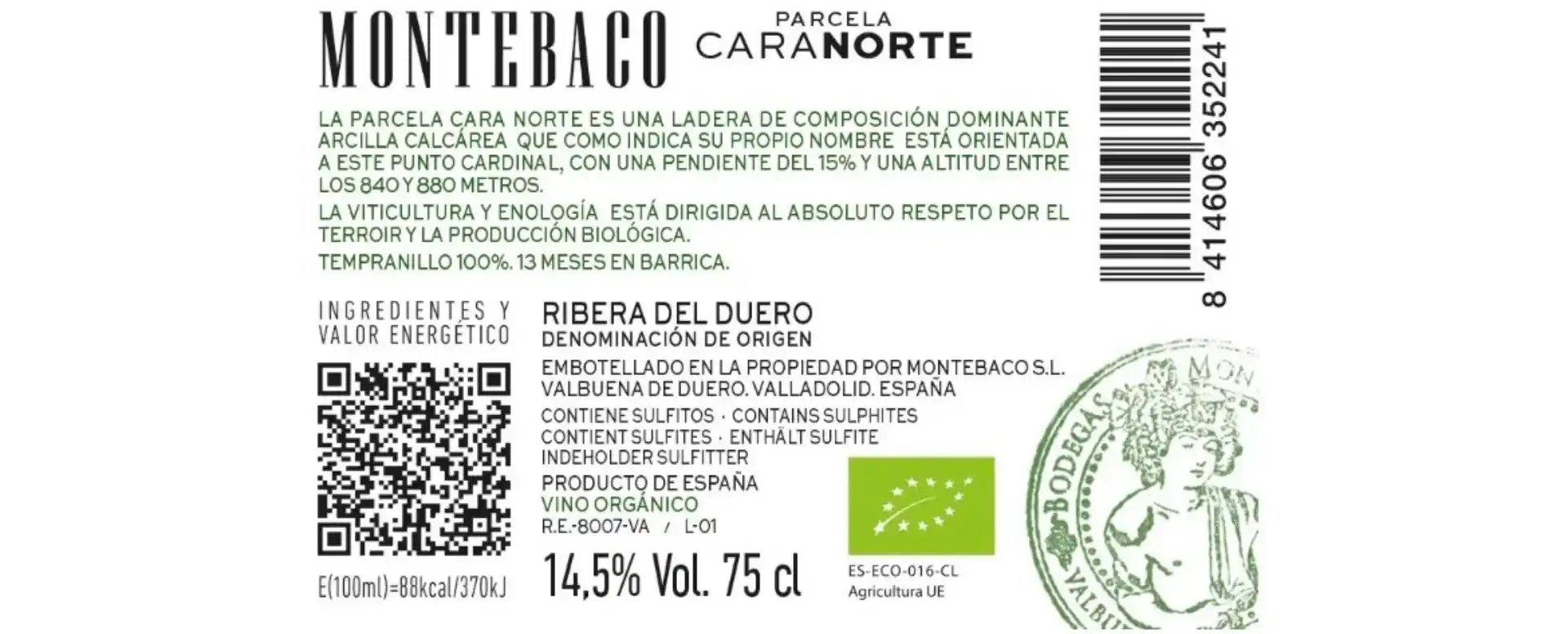
Montebaco Cara Norte is aged in barrels for between 13 and 15 months, it is a wine with great clarity of aromas and very defined notes of fresh black fruit and hints of blue fruit.

Montebaco de Finca is also aged in barrels for 13-15 months, the result is a wine with remarkable evolution, defined character and impeccable elegance, which will reward those who have the patience to preserve it.

Montebaco Special Selection is a wine that is aged for between 14 and 18 months, a powerful but elegant wine, complex, with great character and good ageability.

Montebaco Semele is made with a 12-month barrel aging, it is a new red wine, which has roundness, freshness, aromatic richness and varietal expression.

Oak ageing is both art and science, there are crucial decisions that influence the final result, new or used barrel? Each election changes the course.

Even the size of the barrel counts. The traditional 225-litre (Bordeaux) are the most common, but there are wineries that use foudres or larger barrels, where the influence of oak is more subtle and the micro-oxygenation slower.

In addition, over time, the barrels also “get tired”, they stop providing aromatic compounds and become simple inert containers. That is why many wineries periodically renew their barrel stock to ensure that each aging has the right amount of wood.

But beyond the technical, oak also has an emotional component. There is something in that toasted perfume, in those notes of cocoa, coffee or leather that refers us to something deep, almost sensory. Oak-aged wine has soul, and it also has history. It speaks to us of time, of waiting, of transformation.

In a world that runs faster and faster, wine that passes through barrels is an invitation to stop. To savor slowly. To smell carefully. And to understand that the good needs its pause.

Oak, far from being a simple container, has become a transforming agent in winemaking. Its influence ranges from the sensory to the symbolic, representing the search for complexity, balance and harmonious aging. Used with criteria and respect, oak is able to enrich the wine without overshadowing it, giving rise to creations that combine nature, technique and tradition.

Wine fermentation

Behind each glass there is a fascinating process, fermentation, the moment when magic happens and the grape becomes wine.

The fermentation process begins in the vineyard. The quality of the wine depends on the grape, its ripeness and the terroir that sees it grow. In the vineyards of Bodegas Montebaco, located between Valbuena de Duero and Pesquera de Duero, altitude and extreme continental climate play a fundamental role in the balance of sugars and acidity.

Once harvested, the grapes are taken to the winery, where fermentation begins its chemical process, the yeasts, those invisible but essential microorganisms, get down to work.

Alcoholic fermentation is the heart of the process. The yeasts feed on the sugars present in the wort and transform them into alcohol and carbon dioxide, releasing heat along the way. Temperature plays a determining role, too much heat can kill the yeasts, and too much cold slows down the process.

Depending on the type of wine you want to obtain, fermentation takes place in stainless steel tanks, concrete or even oak barrels, each providing different nuances to the final result.

Once alcoholic fermentation is complete, it is the turn of malolactic fermentation, a process in which bacteria convert malic acid (more aggressive) into lactic acid (milder). This change reduces acidity and gives that silky and round sensation in the mouth.

Generally, this second fermentation occurs in oak barrels, which adds aromatic complexity and refinement to the whole.

The type of fermentation and the yeasts used influence the style of the wine. Young, fresh white wines are usually fermented at low temperatures with yeasts selected to preserve the varietal aromas. Red wines for aging, on the other hand, are usually fermented at higher temperatures with yeasts that provide complexity and structure.

After fermentation, the wine needs time to refine and evolve. The wines go through a meticulous aging process, where the oak provides nuances without overshadowing the fruit.

Time in barrel and bottle is essential for the tannins to soften and the aromas to integrate. Each wine has its own rhythm, and in the winery that natural cadence is respected so that when it reaches the glass, it expresses its full potential.

If the fermentation process teaches us anything, it is that wine is a balance between science and art. Controlling temperatures, choosing the exact moment for each intervention and knowing when to let nature take its course is what differentiates a common wine from an exceptional one.

Bodegas Montebaco has made this process its hallmark, combining tradition with innovation, respecting the character of the terroir and letting time do its work.

Scientific research and technological innovation continue to unlock the secrets of fermentation. New yeast strains, winemaking techniques and analysis tools allow winemakers to explore new frontiers and create increasingly complex and expressive wines.

Wine fermentation, an ancient and constantly evolving process, is an art and a science that requires knowledge, passion and dedication. Each wine is the result of a unique fermentation, a reflection of the terroir, the grape variety and the winemaker’s vision.

The next time you uncork a bottle, take a moment to think about everything that happened before that wine made it into your glass. Fermentation is the soul of wine, the process that transforms it, defines it and gives it life.

Ribera del Duero high altitude vineyards

To talk about Ribera del Duero is to talk about character, personality and wines that conquer with each sip. But, if there is one factor that makes the difference and that often goes unnoticed, it is the altitude at which its vineyards are located. It is not just a question of geography: the altitude shapes the soul of the wine, giving it freshness, elegance and a complexity that is difficult to match. And at this point, the vineyards of Bodegas Montebaco are a perfect example of how altitude can transform a good harvest into an unforgettable experience.

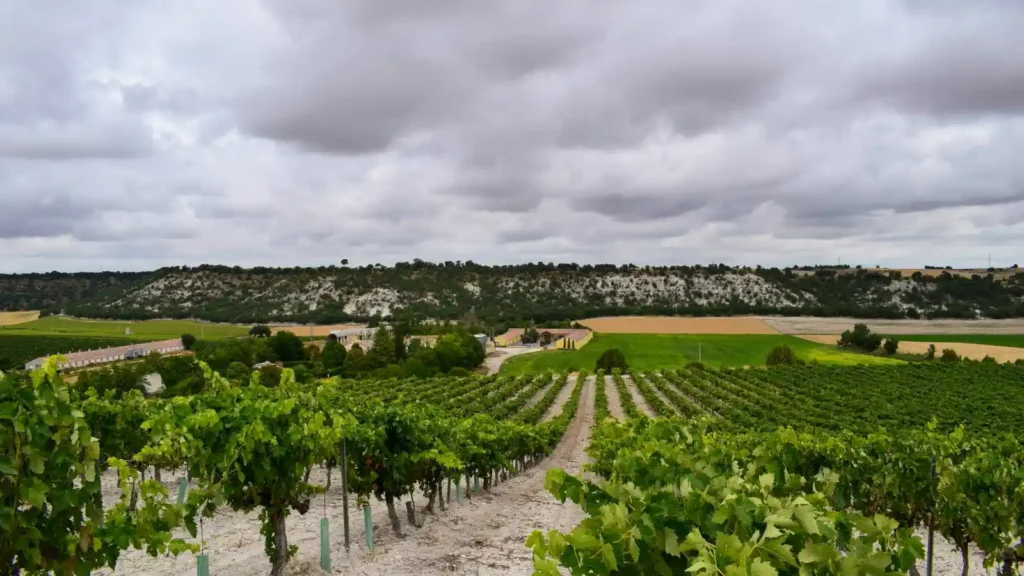
When we talk about altitude in the Ribera del Duero, we are not only referring to figures in metres above sea level. We are talking about a unique ecosystem that defines the character of wines. The vineyards in this region are located between 700 and 1,000 meters, which makes them some of the highest in all of Spain. Why is this so important? Because the altitude regulates the temperature naturally: the days are warm and sunny, ideal for a complete ripening of the grapes, while the nights are cool, even cold, which helps to preserve the acidity and aromatic intensity.

In the case of Bodegas Montebaco, its vineyards extend between 850 and 900 metres, in a privileged spot between Valbuena de Duero and Pesquera. This altitude range allows for an almost perfect balance between ripeness and freshness, resulting in wines with a firm structure, silky tannins and vibrant acidity that invites you to keep drinking.

One of the most fascinating effects of altitude is thermal amplitude, i.e. the difference in temperature between day and night. This contrast slows down the ripening of the grapes, which results in a higher concentration of aromatic compounds and polyphenols. In other words: more flavor, more aroma, more complexity.

At Bodegas Montebaco, this phenomenon translates into wines that combine power and elegance in the same glass. On the one hand, exposure to the sun during the day enhances the ripeness of the fruit, providing notes of plum, blackberry and liquorice so characteristic of the Tempranillo variety. On the other hand, the cool nights preserve the natural acidity of the grapes, providing freshness and exceptional aging capacity.

In addition, altitude directly influences the texture of the wine. Tannins, those molecules responsible for the sensation of astringency, are refined over time, giving rise to softer, silkier and more pleasant wines on the palate. It is a natural alchemy that turns each bottle into a story of the terroir from which it comes.

Founded in the 80s, Bodegas Montebaco has been able to take advantage of the potential of its high-altitude vineyards like few others. Located in the heart of the Ribera del Duero, its 50 hectares of vineyards are located on limestone and clay soils, another key factor in understanding the uniqueness of its wines. This combination of altitude and soil provides a subtle minerality that enhances the aromatic profile and gives the wines an unmistakable personality.

One of the emblems of the winery is its Montebaco CaraNorte, a wine that perfectly sums up what the altitude can offer. Intense, balanced and with a freshness that runs through every sip, this red is palpable proof that good wine is not the result of chance, but of a precise combination of climate, soil and, of course, altitude.

In a world where standardization threatens authenticity, high-altitude vineyards have become a refuge for those looking for wines with identity. It is no coincidence that wines from the highest levels of the Ribera del Duero stand out in international tastings and competitions. The altitude not only brings freshness and longevity, but also imprints an unmistakable signature, a seal of quality that distinguishes them from the rest.

At Bodegas Montebaco, the height is not just another piece of information in the technical sheet. Each harvest is a tribute to this unique terroir, a celebration of the conditions that make it possible to create wines that are not only drunk, but remembered. They are wines that tell a story: that of an elevated landscape, an extreme climate and an unwavering passion for excellence.

So, the next time you uncork a bottle of Ribera del Duero, pay attention to its origin. If you come from high-altitude vineyards like those of Montebaco, get ready for a sensory journey where every sip is a celebration of the peaks that make this region great. Because in wine, as in life, sometimes the highest is also the most extraordinary. Bless you!

Monastery of Santa María de Valbuena

If there is a place where time seems to have stopped to let us peek into history, it is the Monastery of Santa María de Valbuena. Located in the municipality of Valbuena de Duero, it belongs to the hamlet of San Bernardo, a small town in Valladolid. This 12th-century Cistercian monastery is an architectural gem, a corner of spirituality and, of course, a witness to the winemaking evolution of the Ribera del Duero. Its history is tied to both faith and land, and its influence on wine culture in this region is undeniable.

The Monastery of Valbuena was born in 1143 by the donation of the goods of the Countess Estefanía, granddaughter of Count Ansúrez, donated her goods in Valbuena and Murviedro for the foundation of a monastery dedicated to God, the Virgin and Saints Martin and Sylvester. And although he did not determine the order that would manage the donation, in the end it was the Cistercian order, which was in charge of its development, which, as a good reformist order, looked for secluded places where to lead a life of work, prayer and self-sufficiency. The location, on the banks of the Douro River, was perfect, fertile lands, abundant water and a tranquility that invited contemplation. It was not long before this monastery became a benchmark for monastic life in Castile and León.

The Cistercian monks, famous for their austerity and industriousness, transformed the area into an epicenter of agriculture and, of course, viticulture. As in many other European abbeys, vineyards were cultivated in Valbuena and winemaking techniques were perfected. The winemaking tradition of the Ribera del Duero, which today is recognized worldwide, owes a debt to the tireless work of these monks who, with patience and dedication, were shaping the wine identity of the region.

During the thirteenth and fourteenth centuries, the monastery reached its maximum splendor. The monastic community grew and with it the infrastructure of the place. New rooms were built, the church was embellished and the cloister was consolidated, which is still one of the most representative elements of the complex. In those centuries, Valbuena was not only a religious center, but also an economic and social one. Its vineyards and wineries supplied not only the community, but also other abbeys and the Castilian nobility.

The wine produced in Valbuena was more than just an agricultural product, it was the reflection of a way of understanding life, based on patience, knowledge of the environment and respect for tradition. The Cistercian monks, with their meticulousness and connection to the land, were the forerunners of modern winemaking in this area.

But like any great story, that of the Monastery of Valbuena also had its decline. With the Confiscation of Mendizábal in the nineteenth century, the monastery was expropriated and the monks abandoned it. It passed into private hands, and over time, the deterioration became apparent. For years, the medieval splendour of Valbuena was hidden under the weight of abandonment.

It was not until the end of the twentieth century that efforts began to restore the monastic complex and restore its architectural dignity. Currently, the Monastery of Valbuena houses the headquarters of the Las Edades del Hombre Foundation, dedicated to the conservation and dissemination of the religious and artistic heritage of Castilla y León. In addition, it has been converted into an exclusive hotel and spa, where rest and wine continue to be the protagonists.

Today, Ribera del Duero is one of the most prestigious designations of origin in the world, and although the monastery no longer makes wine, its legacy lives on in every glass. The meticulous work of the Cistercian monks left an imprint on cultivation techniques, on the selection of grape varieties and on the way of understanding viticulture as an art. Without them, the history of wine in this region would probably have been very different.

When visiting the Monastery of Valbuena, not only do you walk through stone corridors and centuries-old cloisters, but you also feel the weight of a history that has perfectly combined spirituality with the work of the land. And although times have changed, wine continues to be a common thread that unites the past and present of this unique corner of the Ribera del Duero.

In addition, the monastery and its surroundings have maintained their relationship with wine through the different wineries established in the area, such as Bodegas Montebaco, which have been able to collect the winemaking tradition of the area and raise it to its maximum expression. With vineyards located in these historic lands, Montebaco represents the continuity of the winemaking excellence that the monks began centuries ago, offering wines that capture the essence of the Ribera del Duero with the same passion and respect for the land that they had.

Tim Atkin and Bodegas Montebaco

Although Montebaco wines have received numerous high scores from prestigious guides and important experts in the wine sector, we would like to make a specific review of Tim Atkin, as his analysis of Ribera del Duero 2024 Special Report (Top 100) is recent.

Tim Atkin is a renowned British journalist, writer and wine critic with a career of more than three decades in the sector. As a Master of Wine, his experience and knowledge have made him a global authority in the world of wine. Atkin is known for his ability to identify and evaluate wines that express their origin and quality in a unique way, characteristics that he himself has identified in the wines of Bodegas Montebaco.

Ribera del Duero is one of Spain’s most prestigious wine regions, known for producing wines of exceptional quality that capture the essence of the Castilian terroir. In this context, Bodegas Montebaco has established itself as a benchmark. Its excellence has not gone unnoticed by Tim Atkin, one of the world’s most influential wine critics, who has repeatedly highlighted the quality of his wines.

In his reports and tastings, Atkin focuses on analyzing the authenticity of the wines, their connection to the terroir, and the winemaker’s ability to bring out the best in the grapes. His recognition of Montebaco reinforces the reputation of this winery as an outstanding producer in the Ribera del Duero.

Located between the municipalities of Valbuena de Duero and Pesquera de Duero, Bodegas Montebaco is a gem in the heart of the Ribera del Duero. Founded in 1987, this winery has been able to combine the winemaking traditions of the region with an innovative vision to create wines that stand out both in the national and international markets.

In his analysis of the Ribera del Duero, Tim Atkin has included Bodegas Montebaco as one of the wineries that best represent the potential of the region. Montebaco wines have received outstanding scores in their reports, reinforcing their prestige both nationally and internationally.

These are some of the scores awarded to the Wines of Bodegas Montebaco by the Master of Wine Tim Atkin:

Informe 2021
Montebaco Parcela Cara Norte 201894 puntos
Montebaco Selección Especial 201893 puntos
Montebaco de Finca 201894 puntos
Montebaco Semele 201890 puntos
Informe 2022
Montebaco Parcela Cara Norte 201996 puntos
Montebaco Selección Especial 201993 puntos
Montebaco de Finca 201993 puntos
Montebaco Semele 201891 puntos
Informe 2023
Montebaco Parcela Cara Norte 202096 puntos
Montebaco Selección Especial 201894 puntos
Montebaco de Finca 202093 puntos
Montebaco Semele 2021            90 puntos
Informe 2024
Montebaco Parcela Cara Norte 2021    96 puntos
Montebaco Selección Especial 2019  94 puntos
Montebaco de Finca 2021        92 puntos

The Ribera del Duero, with its landscapes of vineyards and unique soils, is one of the most exciting regions for the world of wine. The combination of altitude, continental climate and diverse soils creates an ideal environment for vine cultivation. Montebaco has been able to take advantage of these exceptional conditions, becoming an example of the potential of this designation of origin.

Bodegas Montebaco is a clear example of how the commitment to quality and respect for the terroir have captured the attention of renowned critics such as Tim Atkin.

For wine lovers looking for an authentic Ribera del Duero experience, Montebaco wines are a must-choose choice.

Our Vineyards

Located in the heart of the Ribera del Duero, Bodegas Montebaco is consolidated as a reference in the production of quality wines. Its vineyards, carefully cultivated over more than 53 hectares, represent the soul of this family winery that combines tradition and modernity.

Bodegas Montebaco is located in a privileged enclave, in Valbuena de Duero province of Valladolid, in the heart of the Golden Mile of the Ribera del Duero. This region is known worldwide for its exceptional conditions for vine cultivation, thanks to the altitude, soils and continental climate that favor the production of wines of character and elegance.

The vineyards of Montebaco are located about 850 meters above sea level, which gives them a climate with strong thermal contrasts between day and night. These oscillations favour a slow and balanced ripening of the grapes, allowing them to develop a unique aromatic and polyphenolic concentration.

The terroir of Bodegas Montebaco is one of the keys to its success. Its vineyards sit on a heterogeneous soil composed of limestones, clays and sands, which gives an unmistakable personality to the wines. This balance between minerals and nutrients allows the vines to absorb the best of the soil, resulting in wines with a complex structure and a unique character.

Sustainable soil management, together with traditional and modern practices, reflects Montebaco’s commitment to quality and respect for the environment. This approach not only benefits the vineyards, but also contributes to preserving local biodiversity.

The predominant variety in the Montebaco vineyards is Tempranillo, also known as Tinta Fina, the queen grape of the Ribera del Duero. This variety, adapted to the climatic conditions of the region, is the basis of Montebaco red wines, which stand out for their intensity, elegance and ageing capacity.

In addition, the winery also grows other varieties, such as Merlot, Grenache and Malbec that complement the Tempranillo and provide additional nuances to some of the wines. The combination of these varieties allows Montebaco’s winemakers to experiment and create wines with unique aromatic and taste profiles.

The cultivation process in Montebaco is meticulous and respectful of the natural cycle of the vine. Each vineyard is managed in a personalized way, applying techniques such as green pruning to control the yield and ensure the highest quality in each bunch.

At Bodegas Montebaco, sustainability is a fundamental pillar. The vineyards are cultivated with environmentally friendly practices, minimizing the use of chemicals and optimizing natural resources.

Montebaco’s sustainable approach not only ensures the long-term health of the vineyard, but also produces wines that are an authentic expression of the terroir. In addition, the winery has implemented measures to reduce its carbon footprint, such as the efficient use of water and energy.

Agricultural work and the precise selection of soils for planting are designed to manage the vigour of the vines optimally. This approach allows for harvests limited in volume (4,000 kg/ha, equivalent to 1.5-2 kg per plant), but with a notable concentration of quality in the grapes.

Tillage is carried out mechanized between the crop lines, and manually in the rows, and phytosanitary treatments are applied only when they are essential, always opting for products of natural origin and certified as organic. Regarding fertiliser, it is carried out every two years with peat, applying it in a limited way and based on exhaustive analyses of leaves and petioles during the vegetative cycle to determine the real needs of the vineyard.

Vineyard maintenance includes various pruning techniques, such as winter pruning, which is carried out with two buds, and green pruning, carried out in May and June to adjust and control production effectively.

The harvest is carried out once the optimum point of ripeness has been reached, defined by rigorous controls. Only fully ripe bunches in perfect condition are selected directly in the vineyard. The grapes are then transported to the winery in 20 kg boxes, ensuring their integrity and freshness at all times.

The vineyards of Montebaco, worked with care and dedication, are the heart of success and the source of wines that capture the essence of Ribera del Duero.

For those looking to discover the authentic expression of a privileged terroir, the wines of Bodegas Montebaco are an invitation to explore the richness of Spanish viticulture, where each sip tells a story of passion, tradition and excellence.

Finca Monte Alto
47359 Valbuena de Duero
Valladolid

    Newsletter


    I am over 18 years old. I have read and accept the Privacy Policy *
    I agree to subscribe to the Newsletter and receive commercial communications.