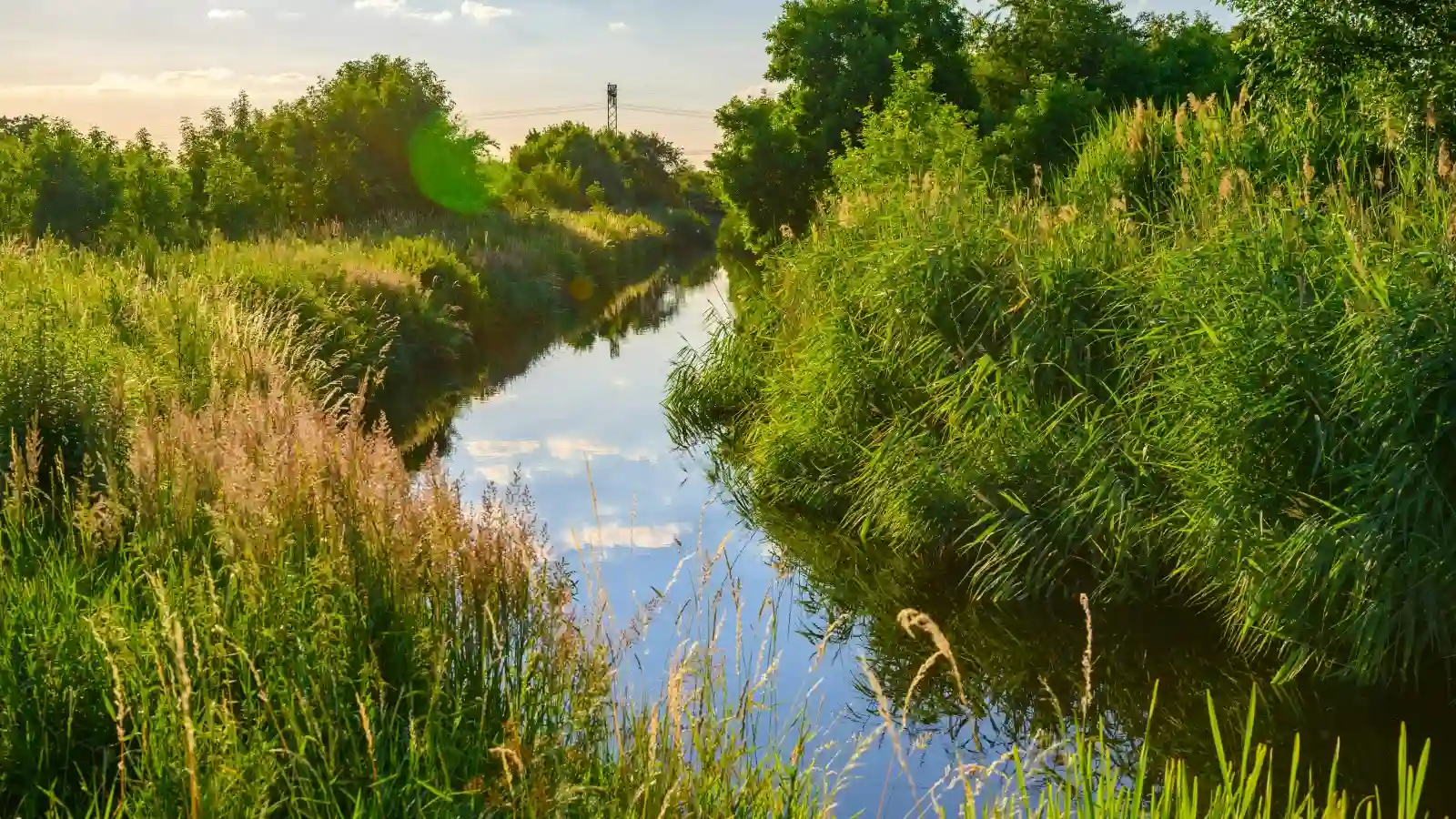
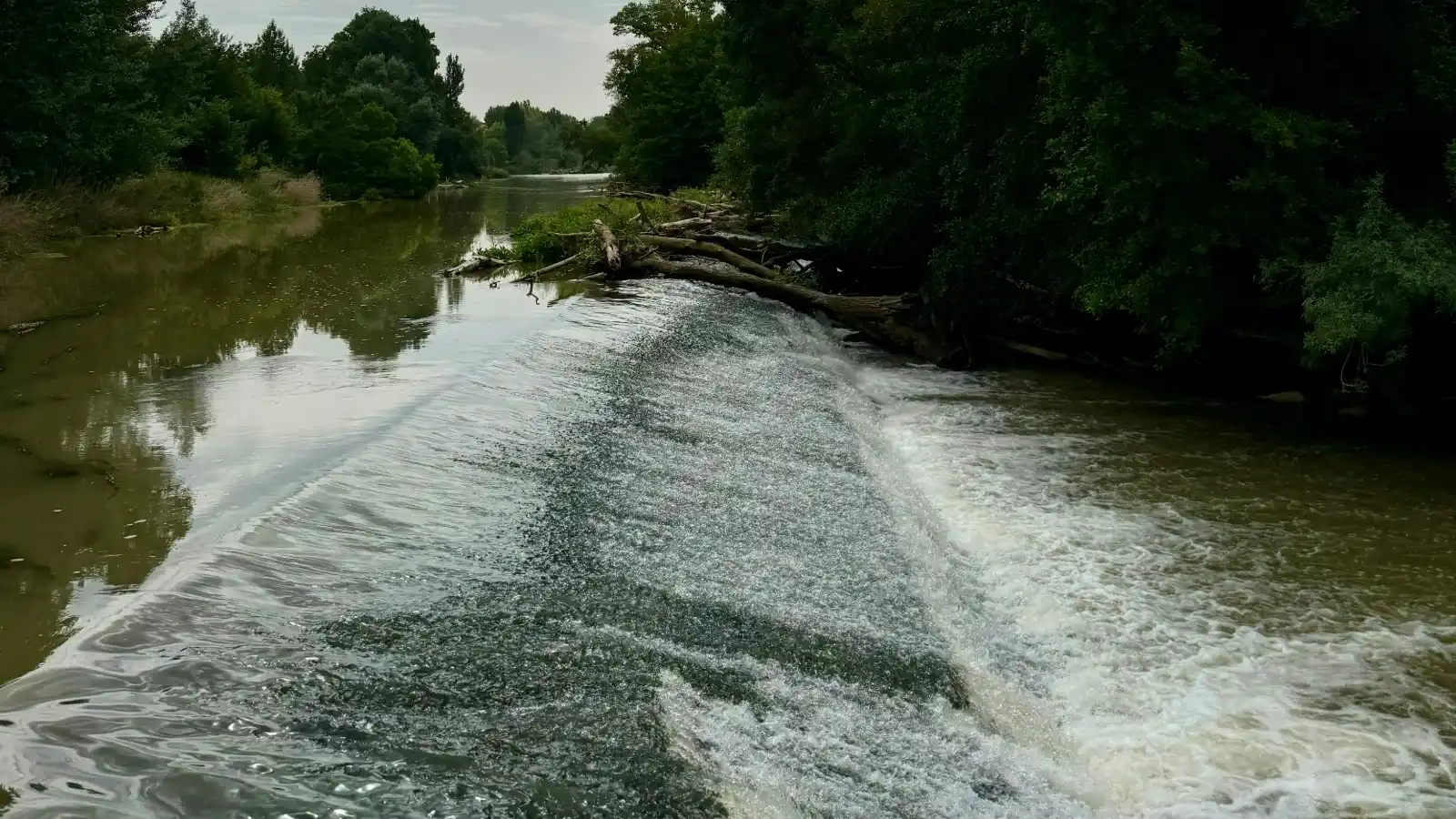
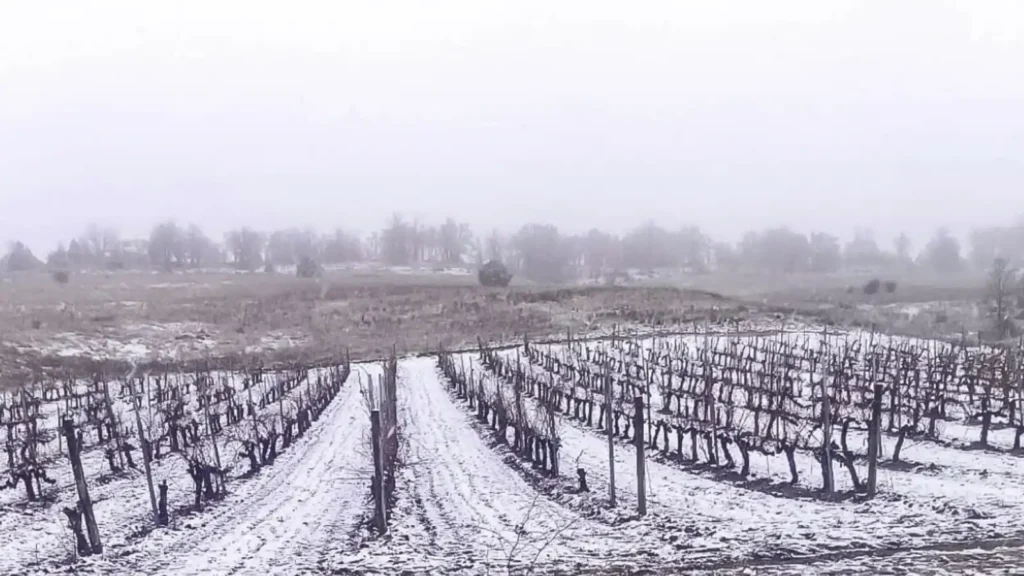
When talking about the landscape of the Ribera del Duero, it is common for all attention to fall on the river that gives its name to the designation of origin. Its influence on the territory, the climate and the history of the vineyard is undeniable. However, the character of a landscape is also built thanks to more discreet elements, which complete the natural balance of each environment. This is the case of the Jaramiel stream, a watercourse that is part of the identity of the Monte Alto estate, home to Bodegas Montebaco.
The Duero Rivermarks one of its natural limits, while the Jaramiel stream embraces another part of the landscape, creating a unique environment where the vineyard coexists with the riverside vegetation, the paths and the gentle slopes that characterize this area between Valbuena and Pesquera de Duero.
It is precisely this combination of natural elements that makes Monte Alto a place with its own personality.
Streams have historically played an essential role in the configuration of the territory. Over time they have shaped small valleys, favoured the development of native vegetation and contributed to the creation of ecosystems of great richness.
The Jaramiel stream runs through part of the Valladolid landscape before meeting the Duero, forming part of that network of watercourses that have accompanied the agricultural development of the province for generations.
In the surroundings of Monte Alto, its presence brings diversity to the landscape and contributes to creating a scenario where the vineyard shares space with other plant species and with the fauna of these ecosystems.
Beyond its route, the Jaramiel helps to draw a territory that changes with the seasons and offers a different image at each time of the year.
The Monte Alto estate has a very special configuration within the Ribera del Duero. The altitude between 840 and 900 metres above sea level, which places it at the upper limit for vine cultivation in the area. The microclimate that provides an extreme thermal amplitude and a slow ripening of the grapes, differentiating it from the lower part of the valley, and the Duero River and the Jaramiel stream delimiting a large part of its natural perimeter, generate that feeling of protected territory that has led many to define it as an “Island in the Ribera del Duero”.
When we think of the harvest, the image is usually immediate, ripe bunches, scissors in the hands, boxes filling with grapes and an intense movement in the vineyards and in the winery. However, the harvest does not begin on the day the first grape is cut.
In Ribera del Duero, that moment is only the visible result of work that has been going on for many months. Before the first bunch leaves the vine, the vineyard has come a long way and winegrowers and technicians have made numerous decisions. Because harvesting means deciding when a whole year of work has reached its peak.
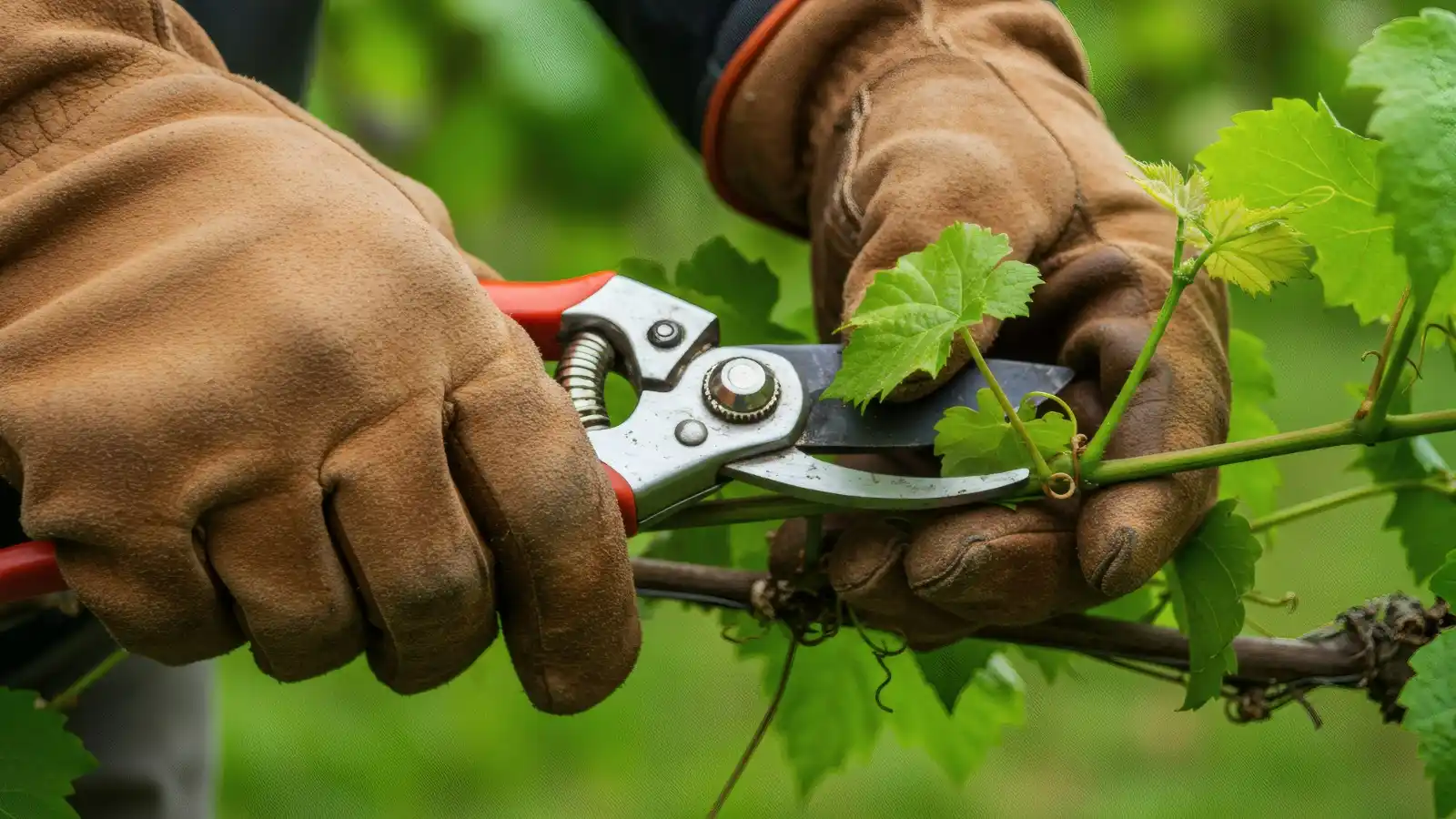
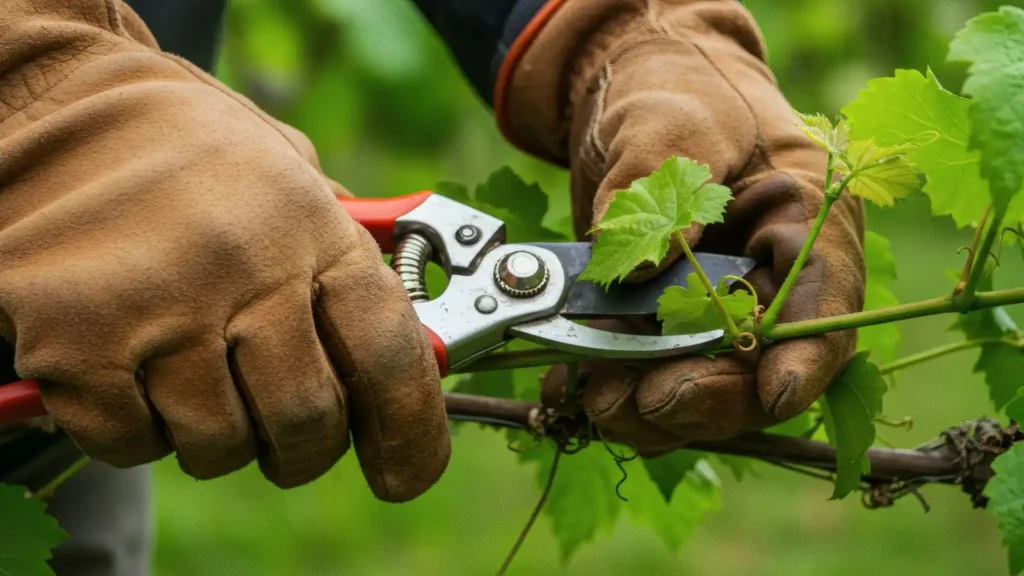
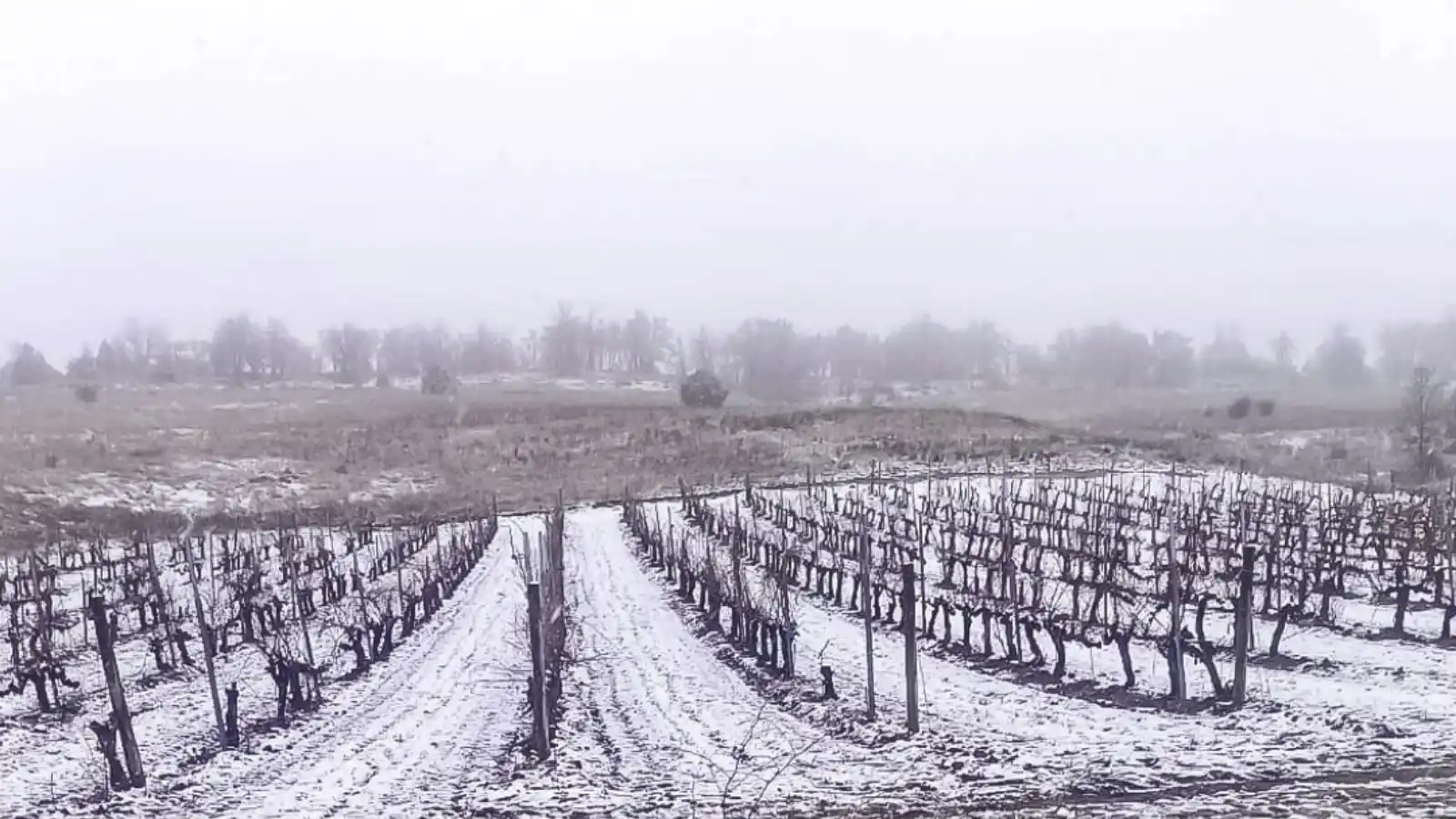
Winter leaves the vineyard at rest. The vines seem to stop their activity and the landscape of the Ribera del Duero takes on a calm, almost immobile appearance. But under this apparent calm, a new cycle begins to be prepared and the soil and the plant continue to be worked: winter pruning, cleaning and removal of vine shoots, tying and driving, fertilising, revision of the structure…
With the arrival of spring, the vineyard wakes up. The first shoots appear and a period begins in which each weather change can influence the evolution of the plant. Temperatures, rain, wind or a late frost are part of a scenario that no one can completely control. It is time for green pruning, pest prevention and frost protection work.
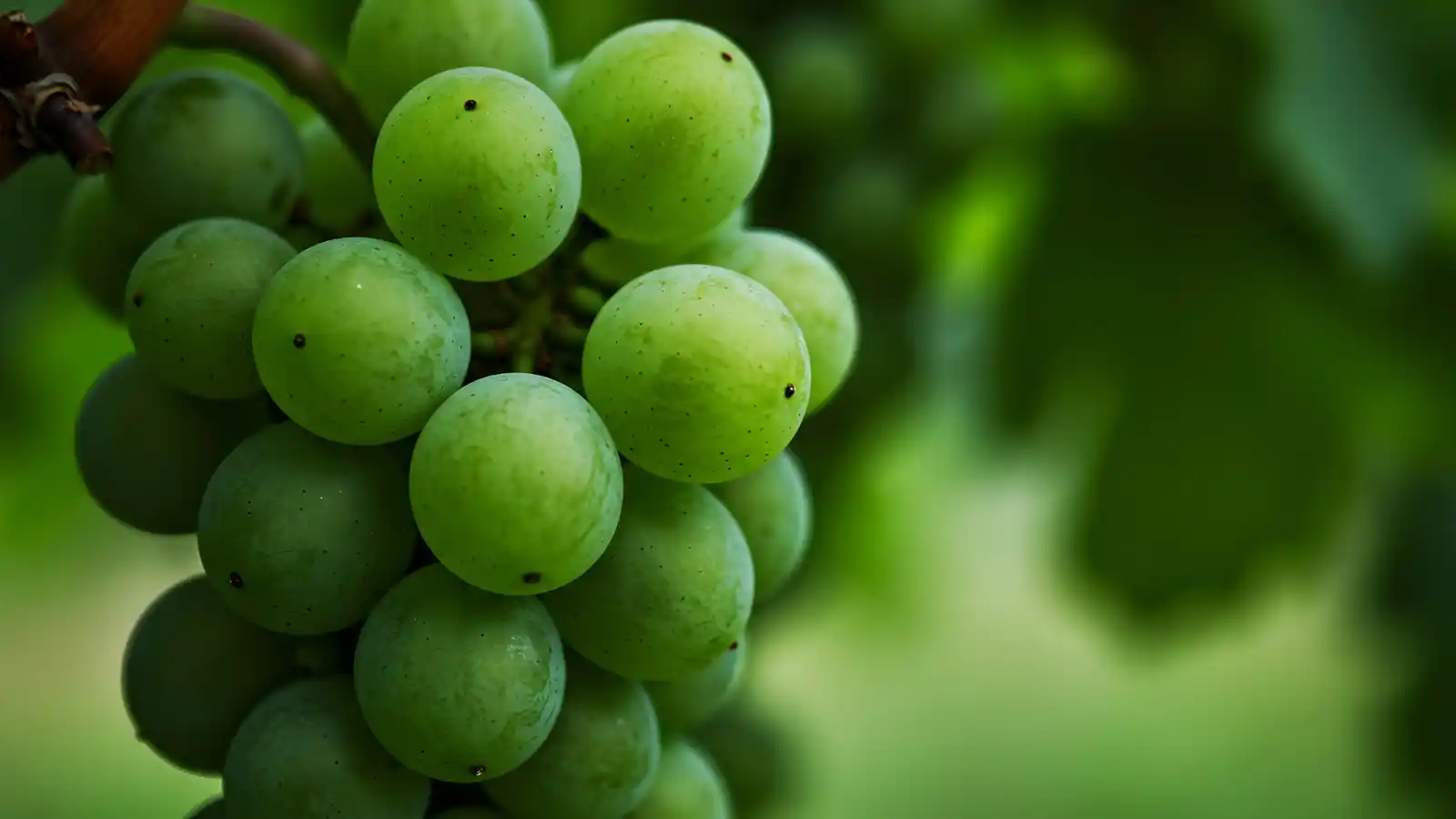
Then summer arrives and the vineyard enters a new phase. The bunches evolve little by little and the grapes begin to concentrate everything that, months later, will be part of the wine. It is the time for defoliation and thinning of bunches.
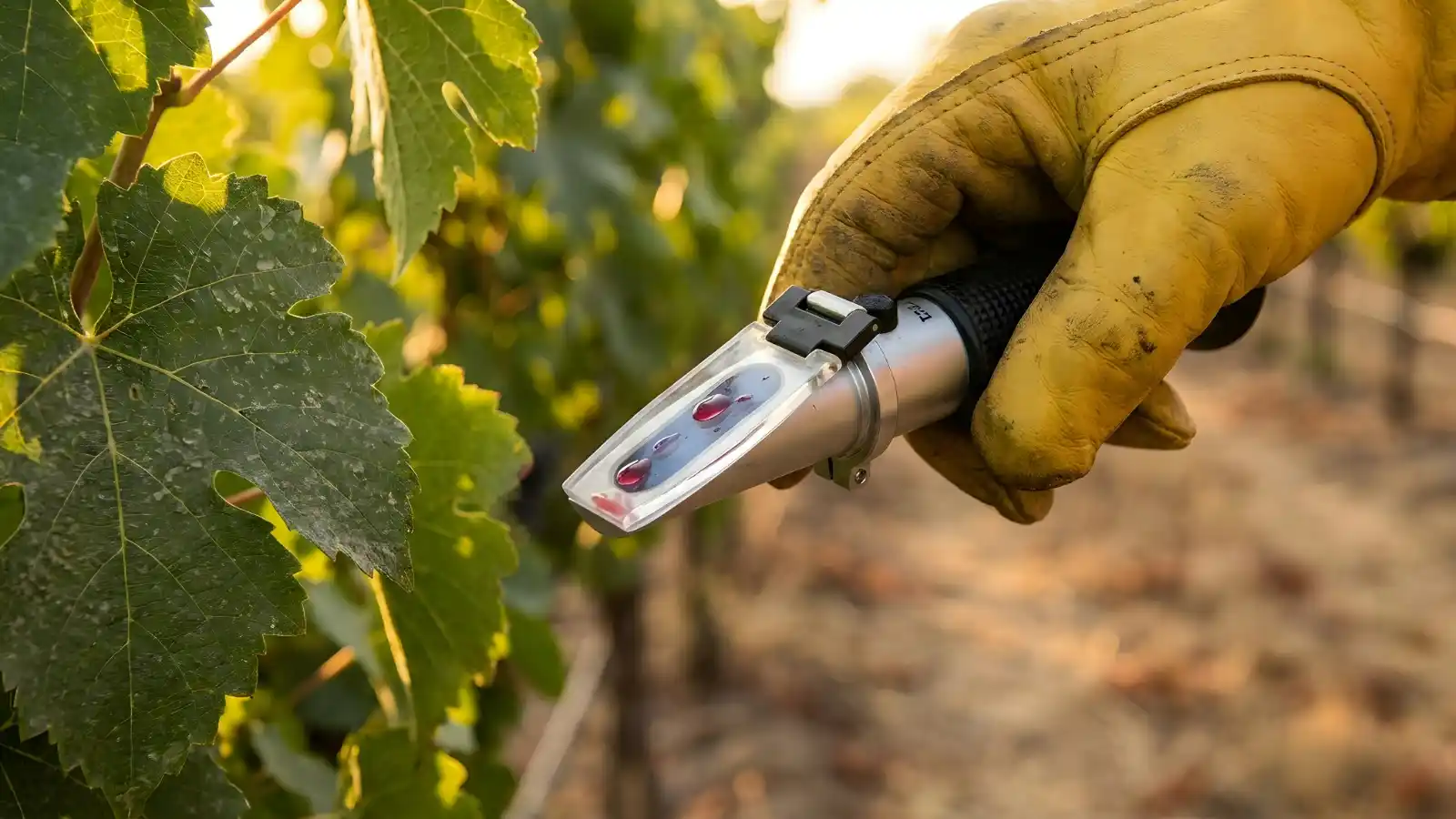
But even at this moment we cannot yet speak of a harvest. Perhaps the most delicate part remains, which is to observe and wait, since, in the last weeks, as the end of summer approaches, the vineyard begins to be observed with even greater attention. The grapes change almost imperceptibly from one day to the next, but these small variations can prove decisive. The bunches continue to evolve, the aromas develop and the composition of the grapes changes progressively. At this stage, the goal is to find a balance.
Waiting can allow the grapes to continue to evolve. But waiting too long can also change that balance. Harvesting earlier can preserve certain characteristics, although ripening may not yet have reached the desired point. During these weeks, the vineyard becomes a place of constant observation. The bunches are checked. Plots are compared. The evolution of the grapes is analysed. The state of the skins and seeds is observed. And, at the same time, the sky is looked at. A forecast of rain, several consecutive days of high temperatures or a sudden change in weather conditions can force us to rethink decisions. The harvest is prepared, of course, but it also requires the ability to adapt. For this reason, in the days leading up to the harvest, the weather forecast becomes another tool in the work in the vineyard.
The decision to harvest rarely depends on a single signal. It is the result of many observations, accumulated experience, knowledge of each plot and the ability to interpret what is happening at that precise moment.
In Ribera del Duero, moreover, the continental nature of the climate turns each vintage into a different story. The conditions of one year are never exactly the same as those of the previous one. A warmer summer, a particularly rainy spring or a period of milder temperatures in the last weeks can modify the rhythm of the vineyard.
A harvest is never simply a repeat of the previous one. Every year it forces us to look again, to compare again and to decide again. Not all the grapes arrive at the same time, within the same estate there may be differences between plots. The orientation, the type of soil, the age of the vines or the particular conditions of each area influence the rate of ripening.
This means that the question is not always only “when does the harvest start?”, on many occasions, the question is, where do we start?
Deciding which plot to harvest first is part of that invisible work that happens before the first grape is cut. The organization must allow each plot to be harvested at the time when it is considered most suitable and, at the same time, coordinate the arrival of the grapes at the winery.
That first bunch that leaves the vine does not only represent the beginning of the harvest. It represents a full year of work in the vineyard. Months of decisions, care and observation that culminate in an apparently simple moment: a pair of scissors, a bunch and the first grape that begins its way to the winery.
And behind the first grape there is a whole story that, months later, will be told again in a different way, in a glass of one ofthe excellent wines of Bodegas Montebaco.
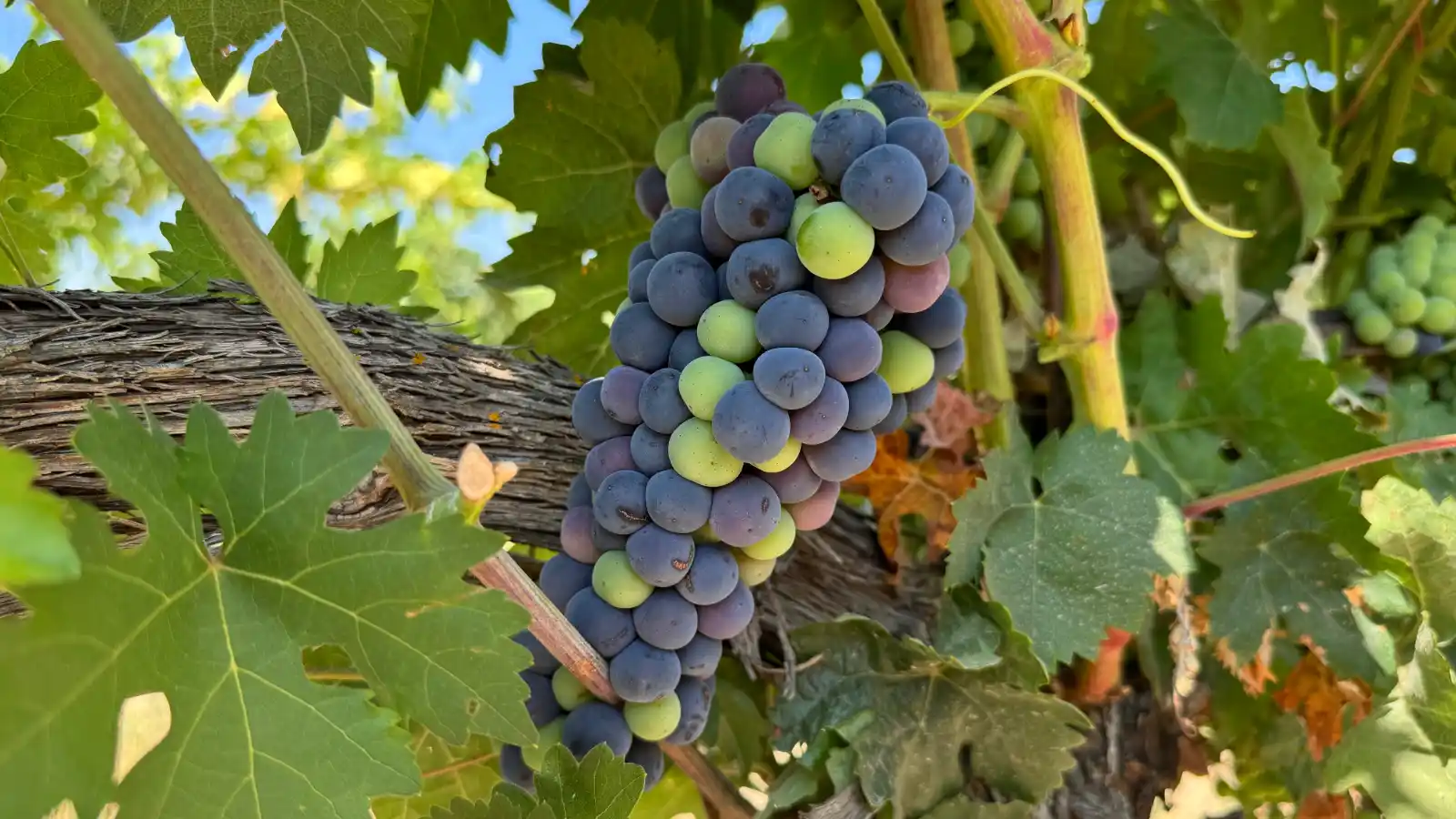
The biological cycle of the vine is a succession of small daily miracles, but none has the oenological significance of veraison. This period, which usually occurs throughout the month of August, marks the exact moment when the vineyard leaves its vegetative phase of green growth to devote itself completely to the ripening of the fruit. In the Ribera del Duero Designation of Origin, characterised by a harsh continental climate and remarkable altitudes, veraison is not only a chromatic change in the landscape, but the true turning point that will determine the aromatic profile, structure and elegance of the final wine.
In this scenario, Bodegas Montebaco stands out, a unique winemaking project whose Monte Alto Estate – nestled between the Valladolid municipalities of Valbuena de Duero and Pesquera de Duero – acts as a privileged witness to this transformation. To understand the importance of veraison in the Ribera del Duero and, more specifically, in the high-altitude vineyards of Montebaco, is to look into the secret of its wines.
From a botanical point of view, veraison is the time when grape berries stop their cell division and begin their organic ripening process. Chlorophyll, responsible for the characteristic spring green of the bunches, begins to degrade progressively. The red varieties synthesize anthocyanins, the polyphenolic pigments responsible for dressing the grape skins with spectacular purple, bluish and violet tones.
During the weeks that elapse from the beginning of veraison to the harvest, the grapes undergo decisive biochemical transformations:
Sugar input, the berry drastically increases the accumulation of glucose and fructose from foliar photosynthesis.
Loss of acidity, the concentration of organic acids (mainly malic and tartaric acid) begins to drop gradually.
Softening the pulp, the cell wall of the berry becomes flexible, increasing the elasticity of the soot.
Synthesis of aromas and phenolic compounds, this is the critical period where the fruity aromatic precursors accumulate and the tannins condense, vital for the volume and aging of the wine in barrels.
In the Ribera del Duero, this process takes place in the midst of the summer rigors. The high daytime temperatures of August accelerate photosynthesis, but the altitude and the continentality of the climate impose a rapid thermal drop at nightfall. This enormous thermal amplitude is the key for veraison to trigger a slow and balanced ripening.
To understand the real impact of veraison at Bodegas Montebaco, it is essential to situate your vineyard. The property forms a real “island” within the Ribera del Duero: a valley of its own furrowed by the Jaramiel stream that rises between 840 and 900 meters above sea level.
This height level places Montebaco at the upper limit of cultivation in the region. When veraison arrives, the altitude of the Monte Alto Farm intensifies the positive effects of the microclimate and the characteristics of the Estate: extreme thermal amplitude, calcareous and clayey soils, sun exposure and ventilation.
The slow pace of ripening that begins with veraison allows the development of a rich palette of primary aromas, notes of fresh black fruit (blackberry, blueberry, wild plum), small floral nuances and mineral touches typical of the limestone of the land, which are then respectfully integrated with oak aging.
Ultimately, veraison in the Ribera del Duero represents the moment when nature dictates the personality of the vintage. At Bodegas Montebaco, a careful reading of this phenomenon in the 53 hectares of the Monte Alto Estate translates into precision viticulture: adjusting the leaf removal, monitoring the load per vine and determining the right harvest date plot by plot.
The result is wines that faithfully capture the personality of the terroir, the strength and concentration of the Castilian land, tempered by the finesse, freshness and minerality provided by the altitude. Each bottle of Montebaco keeps inside the silent echo of those August afternoons when the Valbuena vineyard changed color to transform the sun into pure liquid poetry.
To talk about the Douro River is to talk about history, nature, culture and, above all, wine. Along more than 890 kilometres of route from the Serra de Urbión to its mouth in the Atlantic Ocean, in the Portuguese city of Porto, the Douro has shaped landscapes, favoured the development of villages and has given life to some of the most prestigious vineyards in Europe. As it passes through Castilla y León, the river becomes the authentic heart of one of the most important wine regions in Spain, where tradition and innovation coexist to produce internationally recognized wines.
The relationship between the Douro and wine dates back to Roman times. Even then, vines were cultivated on its banks, taking advantage of the extraordinary conditions of the soil and the continental climate, characterised by cold winters, warm summers and a notable temperature difference between day and night. These factors allow a slow and balanced ripening of the grapes, favouring the concentration of aromas and flavours that make the wines of the Ribera del Duero unique.
One of the municipalities that best represents this union between the river and the culture of wine is Valbuena de Duero, a town in Valladolid located in the heart of the Ribera del Duero Designation of Origin. Surrounded by extensive vineyards and bathed by the waters of the Duero, this small village has managed to preserve the charm of the winemaking tradition while becoming a benchmark for quality wine tourism.
Valbuena de Duero not only stands out for its landscape, but also for its historical heritage. The imposing Monastery of Santa María de Valbuena, founded in the twelfth century by the Cister Order, is one of the best preserved monastic complexes in Castile and León. For centuries, monks played a fundamental role in the development of vine cultivation and in the improvement of winemaking techniques, a heritage that is still perceived today in the identity of the region.
The fertile plains of the Duero and the limestone and clayey soils offer exceptional conditions for the cultivation of the Tempranillo variety, known locally as Tinta del País or Tinto Fino. This grape is the protagonist of most of the wines of Ribera del Duero, although it also coexists with other authorised varieties that provide nuances and complexity to the blends.
The river’s route through Valladolid draws a landscape in which the vineyards occupy a privileged place. In spring, the awakening of the vineyards dyes the slopes green; during the summer, the vines withstand the intense Castilian heat; And with the arrival of autumn, one of the most eagerly awaited moments of the year begins: the grape harvest. This time of year transforms the riverside villages into scenarios full of activity, where farmers, winemakers and visitors share the emotion of harvesting the fruit of a whole year of work.
La Ribera del Duero has been able to combine respect for tradition with a firm commitment to innovation. Many wineries maintain artisanal processes inherited for generations, while incorporating the most advanced technology to control the quality of each phase of production. The result is elegant, complex wines with an extraordinary ageing capacity, appreciated both in the national market and in the main international markets.
The boom in wine tourism has turned the Douro Valley into a must-see destination for wine lovers. Visits to wineries allow you to learn first-hand about the entire production process, from the vineyard to barrel ageing and bottling. In addition to this, there are guided tastings, walks through the vineyards, gastronomic activities and experiences that bring visitors closer to the essence of a land deeply linked to wine.
In this context, Valbuena de Duero occupies a prominent place. Its privileged location makes it easy to visit some of the most prestigious wineries in the Ribera del Duero, many of them internationally recognized for the quality of their wines. In addition, the tranquility of the environment, the historical heritage and the hospitality of its inhabitants make the visit an experience that goes far beyond the simple tasting.
But the Douro does not only feed the vineyards. Its waters have been fundamental for agricultural development, the supply of populations and the conservation of a valuable ecosystem. Along its route you can see riverside forests, poplars, willows and a rich fauna made up of water birds, otters and numerous species of fish. This balance between nature and human activity is one of the great attractions of the valley.
Gastronomy is another of the great allies of Douro wine. The reds of Ribera find a perfect pairing with roast lamb, one of the most emblematic dishes of Castilla y León, as well as with red meats, artisan sausages, cured cheeses and traditional stews. This combination of local produce and high-quality wines is part of the culinary identity of the region and attracts thousands of visitors every year.
The prestige achieved by Ribera del Duero wines is the result of the joint effort of winegrowers and winemakers who, generation after generation, have known how to take care of the vineyard with respect and dedication. Sustainability has also become a priority objective, with responsible agricultural practices that seek to preserve the natural environment and guarantee the quality of wines in the future.
To travel along the Douro River is to discover a territory where each town tells a different story, but they all share the same common thread: the culture of wine. From Peñafiel to Valbuena de Duero, passing through Quintanilla de Onésimo, Pesquera de Duero or Tudela de Duero, the landscape is marked by the vines that accompany the course of the river and that, every autumn, offer one of the most beautiful spectacles in the interior of Spain.
The Duero is a symbol of identity for Castilla y León. Its waters have shaped a wine culture recognized throughout the world and have turned towns such as Valbuena de Duero into benchmarks for wine tourism and oenological excellence such as Bodegas Montebaco. Those who visit these lands discover much more than excellent wines: they find history, heritage, nature and a way of understanding life in which respect for the land and tradition are still the true protagonists. Undoubtedly, a trip through the Duero Valley is an invitation to enjoy one of Spain’s great treasures with all five senses.
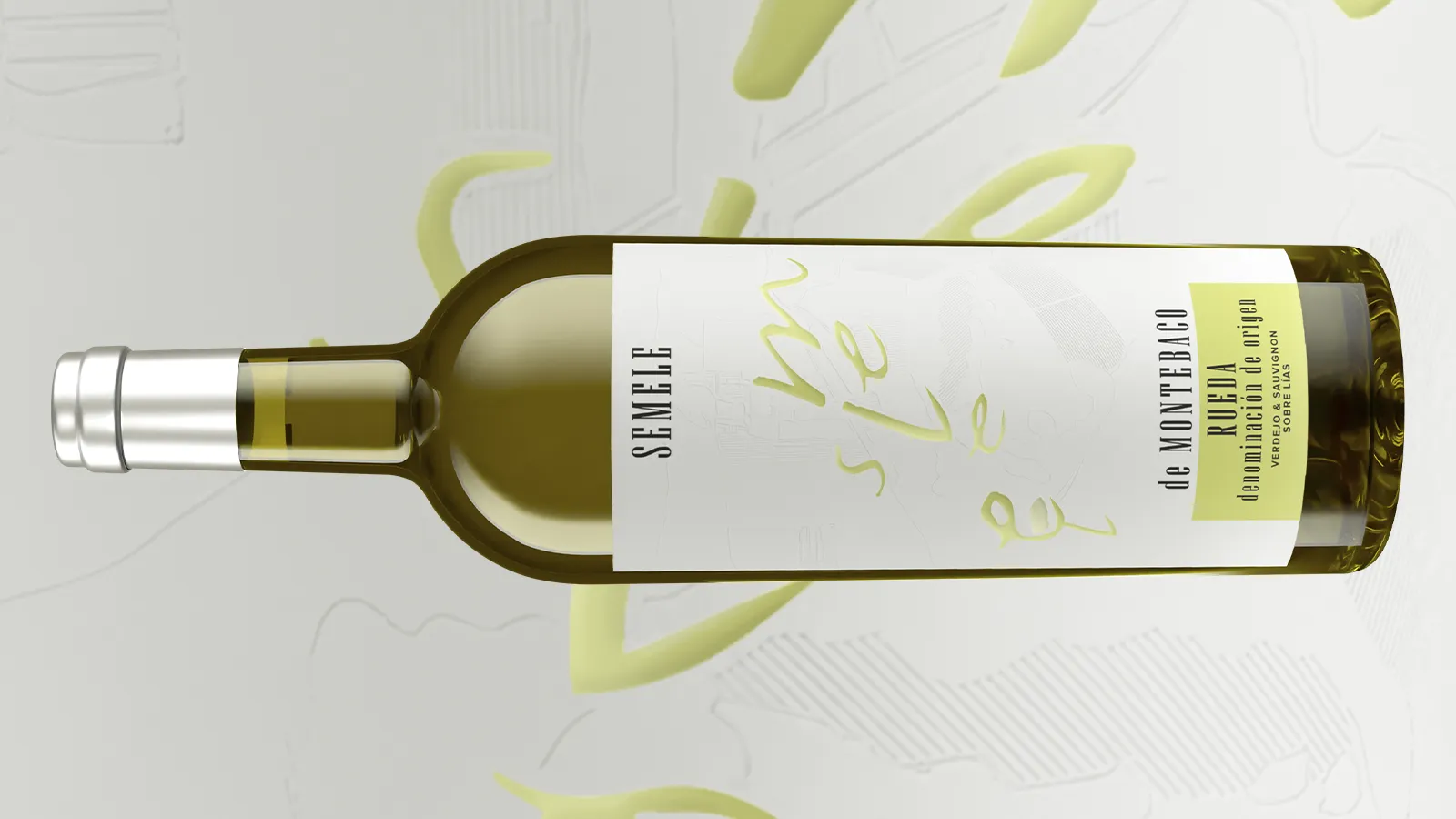
There are wines that accompany a moment and others that manage to stay in the memory. SEMELE de Montebaco Verdejo + Sauvignon 2025 was born precisely with that vocation, that of offering a fresh, balanced and nuanced experience from the first sip.
At Bodegas Montebaco, each wine is part of a specific philosophy. With the arrival of the new 2025 vintage, SEMELE de Montebaco reinforces its identity and takes a step forward within the winery project. It does so with a renewed, more current and fresh image, but keeping intact the essence that has always defined this reference white, respect for the origin, search for balance and an elaboration designed to enjoy the wine naturally and authentically.
SEMELE de Montebaco represents a way of understanding wine based on the harmony between varieties. In this case, the combination of Verdejo and Sauvignon Blanc builds an elegant and expressive profile, where freshness and complexity coexist naturally. A friendly and gastronomic wine, designed for those who value whites with personality, structure and a great ability to accompany different moments and styles of cooking.
The night harvest marks the beginning of a work aimed at preserving all the varietal expression of the grape. The low temperatures during harvesting help to keep the aromatic potential and natural liveliness of the varieties intact. Subsequently, fermentation is carried out in stainless steel tanks at a controlled temperature, seeking precision and aromatic cleanliness.
One of the aspects that defines the character of this wine is its aging on fine lees for five months, accompanied by periodic batonage. This process provides volume, texture and complexity, resulting in a white with greater depth and an enveloping sensation in the mouth, without losing freshness or dynamism.
To the eye, SEMELE de Montebaco Verdejo + Sauvignon 2025 presents an attractive bright straw yellow color with greenish reflections, an image that already anticipates freshness and youth.
On the nose there is an intense and elegant expression, where notes of white fruit, citrus and tropical fruit stand out. The Verdejo brings that recognisable and fresh balsamic character, while the Sauvignon Blanc adds exotic nuances and a particularly vibrant aromatic dimension. The result is a balanced and very expressive whole, with aromatic layers that evolve little by little in the glass.
On the palate it stands out for its wide and enveloping entry. The ageing on lees provides unctuousness and a pleasant sensation of volume, perfectly integrated with a fresh acidity that lengthens the journey and maintains the tension of the wine. The finish is long, elegant and with a very defined varietal recall, leaving a fresh and persistent sensation.
Gastronomic versatility is another of the great virtues of SEMELE de Montebaco Verdejo + Sauvignon. Its balanced profile and good structure make it an excellent ally for fish, seafood, rice and white meats. It also works especially well with Asian cuisine, spicy recipes and soft cheeses, where its freshness and volume manage to accompany the flavors without imposing themselves.
Beyond its technical and sensory characteristics, this wine also reflects an important evolution within Bodegas Montebaco. The MONTEBACO brand is linked to wines deeply connected to the plots and singularities of the Monte Alto estate, in Ribera del Duero, where the prominence falls on the expression of the terroir. For its part, SEMELE continues to develop a line of wines focused on balance, complexity and the mixture of varieties as a tool to build wines full of nuances and harmony.
That approach is clearly perceived in this new vintage. SEMELE de Montebaco Verdejo + Sauvignon 2025 conveys freshness and precision, but also structure and depth. It is a wine that invites you to repeat your glass and that adapts easily to both an informal meal and a more special occasion.
At a time when consumers are looking for authentic, fresh wines that are easy to enjoy without sacrificing personality, SEMELE finds its space naturally. The combination of careful production, varietal identity and balance makes this white a very attractive proposal within the wines of Rueda.
SEMELE de Montebaco Verdejo + Sauvignon 2025 represents a new stage for Bodegas Montebaco and a way to continue evolving without losing the essence. A wine designed to enjoy, share and discover everything that the combination between Verdejo and Sauvignon Blanc can offer when working from respect for the origin and the constant search for balance.
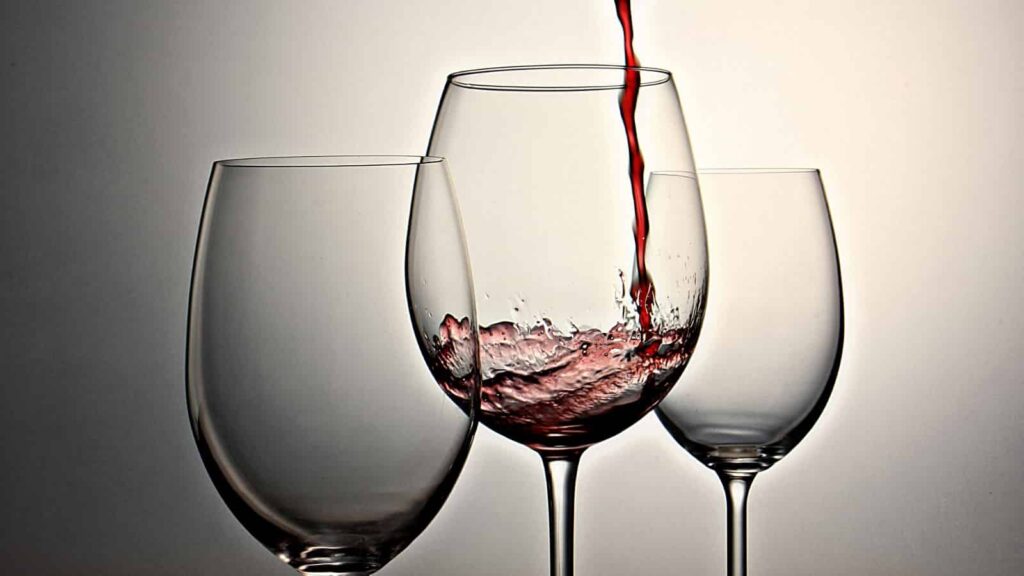
When talking about wine, the focus is usually on the grape, the vineyard or the ageing. However, there is a key element that comes into play just at the moment of enjoying it, the glass. Its shape, size, weight and design condition how we perceive each nuance. Choosing the right glass is not a minor detail, it is a direct way to enhance the experience.
The shape of the glass, the starting point of the aroma. Aroma is the gateway to wine. Before the first sip, the nose has already begun to interpret what is in the glass.
The wide glasses allow the wine to oxygenate and display its aromas with greater intensity. In structured red wines, this opening facilitates the appearance of complex aromatic layers, such as ripe fruit, spicy notes and ageing nuances. A slight inward curvature concentrates those aromas and directs them towards the nose, making each turn of the glass reveal new registers.
In white wines, more stylized glasses maintain freshness and channel more subtle aromas. Varieties such as Verdejo or Sauvignon Blanc find here a perfect balance between expression and liveliness.
The size of the glass, the space for the wine to express itself, defines the relationship between the wine and oxygen. A large glass offers space for the wine to evolve quickly in the glass, which is especially interesting in full-bodied or aged wines. In smaller glasses, the wine retains its fresher and more direct profile. This choice allows you to enjoy young wines with a clearer and more vibrant expression. When the size is right, the wine is balanced, with a progressive evolution that allows each nuance to be clearly appreciated.
The weight of the glass influences the way we interact with wine. A light glass promotes natural movement, invites you to turn the wine gently and improves the overall perception of the experience. The thickness of the glass also plays a role. A thin rim allows the wine to flow precisely to the palate, without interference. This combination brings elegance and reinforces the feeling of quality. In addition, a light glass helps to keep the temperature of the wine more stable, which is especially important in whites and rosés.
The design of the rim influences the way the wine enters the mouth. A fine, well-worked edge allows for a clean, direct and balanced entry. The inclination of the glass guides the wine to different areas of the palate, highlighting its qualities. In reds, it favors a more structured perception. In whites, it enhances freshness and acidity. This seemingly small detail makes a clear difference to the experience.
A glass for every style of wine. Each wine finds its best expression in a specific glass. Understanding this relationship allows us to enjoy it in all its dimensions.
Aged reds benefit from wide glasses that enhance their complexity.
Young reds are clearly expressed in somewhat more contained glasses.
The whites stand out in stylized glasses that retain their freshness.
Aromatic wines gain intensity in glasses that concentrate their nuances.
In the wines of Bodegas Montebaco, this choice allows the personality of each reference to be appreciated more precisely. From the elegant structure of its reds to the freshness of its whites, the glass acts as an essential ally.
The glass is not a secondary element, it is a detail that transforms the experience, a tool that amplifies the quality of the wine and enriches every moment. At a special meal or on a day-to-day basis, choosing the right glass makes all the difference. It allows you to discover nuances, enjoy more intensely and connect more directly with the wine.
At Bodegas Montebaco, each wine reflects the character of the vineyard and the care in each stage of production. The glass is the last step for that identity to reach the consumer intact.
Spring transforms the vineyard into the Ribera del Duero Designation of Origin. After the winter months, the landscape changes rhythm and colour. The vine awakens, the sap circulates again and each vine begins a new cycle full of energy. It is one of the most fascinating times of the year. Everything begins to move, the first shoots appear, the shoots grow and the vineyard recovers its activity with force. In a few weeks, the field goes from stillness to vitality.
At Bodegas Montebaco, this moment marks the beginning of the new vintage. One of the most symbolic moments of spring is the so-called “weeping of the vine”. As temperatures rise, sap begins to flow from the roots into the upper part of the plant. This movement causes small drops in the pruning cuts, as if the vine were breathing again. Weeping indicates that the internal activity of the vine has been reactivated. It marks the beginning of the vegetative cycle and reflects that the soil has reached the right temperature to boost growth. This natural process is key to activating the plant’s vascular system, initiating the development of new buds and preparing budding.
After the crying, comes the sprouting. The buds that were left in the pruning begin to open and the first green shoots appear. This moment defines the productive potential of the year, since each shoot can give rise to one or more bunches. Uniformity in budding is essential to ensure balanced ripening later on. During this phase, the vineyard takes on a vibrant appearance. The vines are full of life and the green colour is beginning to dominate the landscape. Factors such as temperature, soil humidity and plot orientation have a direct influence on the quality of budding. In projects that work with different plots, these differences provide nuances that are then reflected in wines with their own personality, such as Montebaco Parcela CaraNorte.
With budding underway, the vineyard enters a phase of rapid growth. The shoots elongate, the first leaves appear and the plant develops its vegetative structure. This growth requires constant monitoring. The aim is to maintain the balance between vigour and production, with green pruning. In spring, work is carried out such as the debudding which is the elimination of unnecessary shoots, the selection of better positioned shoots, the first adjustments of vegetation and the control of development to promote aeration. These tasks allow the plant’s energy to be directed towards the most suitable shoots, favouring a better distribution of future bunches. The balance in this phase directly influences the quality of the grape, better exposure to the sun, greater health and more homogeneous ripening.
Spring in the Ribera del Duero combines mild days with cool nights. This thermal amplitude favors a progressive development of the vine and helps to preserve the natural acidity. Spring rains, when they appear in a balanced way, contribute to recharge the soil’s water reserves, promote vegetative growth and maintain biological activity
At the same time, monitoring the vineyard is key to anticipating possible risks, such as late frosts or sudden changes in temperature. On-site expertise allows for quick action and protection of plant development. Everything that happens in spring has a direct impact on the wine. Budding, growth and vegetative balance determine fundamental aspects such as the number of bunches per vine, the exposure of the grapes to the sun, the natural ventilation of the bunch and the uniformity of ripening
These factors influence the aromatic concentration, acidity and final structure of the wine.
At Bodegas Montebaco, the work in the vineyard is aimed at respecting the natural rhythm of the plant and accompanying its development with precision. This way of understanding viticulture translates into balanced wines, with freshness and defined expression.
From vibrant whites such as Montebaco Rueda, where freshness is essential, to reds with greater depth such as Semele, Montebaco de Finca, Montebaco Selección Especial or Montebaco Parcela CaraNorte, they all share a common origin, a well-managed spring.
In areas such as those surrounding Bodegas Montebaco, these differences enrich the whole. They allow you to work with nuances and build wines that reflect the origin with precision.
To talk about Verdejo is to talk about freshness, aromatic expression and personality. It is one of the most renowned white varieties in Spain and an essential reference when we think of vibrant, balanced wines full of nuances.
Its name is intimately linked to the Castilian plateau and, especially, to the Rueda area. There, between stony soils and a continental climate marked by strong thermal contrasts, the Verdejo grape has found its natural territory. Today, Verdejo wine represents tradition, adaptation and a very specific way of understanding Spanish white.
The Verdejo variety has historically settled in Castilla y León, especially in the current Rueda Designation of Origin. Its documented presence dates back several centuries, with references that place it back in the Middle Ages.
For centuries, the Verdejo grape was used to make wines with a more oxidative profile, with greater structure and aging capacity. Traditional production techniques gave rise to intense, ample wines with a certain alcoholic power.
With the modernization of viticulture and the incorporation of temperature control techniques in fermentation during the twentieth century, the variety showed a much fresher and more expressive aromatic facet. Since then, Verdejo wine has established itself as one of the most valued whites on the national scene.
The personality of the Verdejo grape is best understood when observing its natural environment. The Rueda area has a continental climate with cold winters and hot summers, high temperature contrast between day and night, poor, stony and well-drained soils and medium altitude that favor freshness.
These conditions allow for a slow and balanced ripening, preserving natural acidity and developing a great aromatic intensity.
The result is a wine that combines freshness, structure and depth, with a very recognizable identity standing out for its aromatic intensity and balance in the mouth. Aromas of white fruit (pear, apple), fresh citrus notes, slightly bitter and elegant background on the finish.
Verdejo wine is a great ally of the kitchen, its freshness and structure make it a versatile white that is easy to harmonize. It works especially well with white fish and seafood, rice, pasta, salads and soft cheeses. And with aged or fermented Verdejos on lees, it pairs perfectly with red meat and game.
This diversity demonstrates the variety’s ability to adapt to different oenological approaches while maintaining its varietal identity.
Although the best-known style is young and fresh wine, the Verdejo grape offers surprising versatility.
Young Verdejo is the most widespread. It is consumed in the year or shortly after the harvest. It stands out for its fruity character, its liveliness and its refreshing profile.
Verdejo fermented in barrel, part of the wine passes through wood, which provides complexity, notes of vanilla, nuts and a creamier texture in the mouth.
Verdejo on lees, it is aged in contact with its own yeasts, gaining volume, unctuousness and greater aromatic persistence.
Verdejo de guarda, a wine from old vineyards that can evolve very well in the bottle for several years, developing more mature aromas and a remarkable structure.
The Verdejo base provides structure, freshness and varietal character, while the Sauvignon Blanc adds liveliness and a more expressive aromatic profile.
The result is a balanced, vibrant and gastronomic white, designed to be enjoyed both as an aperitif and at the table. Its natural freshness makes it an ideal companion for light dishes and for those looking for a white wine with a defined personality.
Verdejo continues to evolve, expanding styles and conquering new tables. And it does so from a solid base, history, origin and character.
Winter is a time of pause, silence and apparent stillness, but under the surface there are decisive processes that will mark the character of the next harvest. Understanding what happens in the vineyard during these cold months helps us to better understand the wine that will then reach the glass.
With the arrival of the cold and the decrease in daylight hours, the vine enters what is known as vegetative stoppage. It is their natural way of protecting themselves against low temperatures and conserving energy. During this phase:
The sap descends to the roots.
The plant’s metabolic activity slows down to a minimum.
The vine stops growing and concentrates on staying alive and strong.
This rest is essential to restart the cycle with balance in spring. In a way, winter is to the vine what deep sleep is to people, a vital necessity.
Although on the surface the vineyard seems completely asleep, the work continues under the ground. The roots are still active, especially in well-drained soil, exploring the terrain and storing reserves.
These reserves (starches and nutrients) will be essential when sprouting arrives. A vine that has spent a balanced winter will have more strength to start the cycle and develop quality clusters.
It helps to eliminate pests and diseases that could affect the vine in spring.
Promotes a deep and homogeneous rest of the plant.
It contributes to a more regular budding when temperatures rise.
In areas such as Ribera del Duero, where winters are cold and marked, this factor is key to maintaining the health of the vineyard and the quality of the grapes. The balance between cold, humidity and rest is one of the bases of the character of the wines of the area.
If there is a leading job in the vineyard during the winter, it is pruning. Far from being a mechanical task, it is one of the most important decisions of the year. Pruning means choosing:
How many shoots will the vine have in spring.
How the production will be distributed.
What a balance there will be between vigor and quality.
At Bodegas Montebaco, pruning is carried out with a clear vision, respecting the plant, its age and its adaptation to the terrain. A well-executed pruning allows yields to be limited, to promote homogeneous ripening and, ultimately, to obtain grapes that faithfully express the vineyard from which they come.
Winter is never the same from one year to the next, and the vineyard responds to every climatic variation. Intense frosts can be beneficial if they remain within the usual values, but they also pose a risk if they are extreme or prolonged. Winter rains help to recharge the soils with water, which is essential for the dry summer months. Snow, although rare in some years, acts as a natural insulator, protecting the soil and gradually providing moisture.
The key is balance. A winter that is too mild can bring budding earlier and increase the risk of spring frosts, while an excessively harsh winter can cause stress on the plant.
Everything that happens in winter leaves its mark on the next harvest. A well-rested vine, properly pruned and adapted to the climatic conditions of the year will be able to offer grapes with greater concentration, balance and personality.
That silent work is what, months later, translates into wines with identity, such as those of Bodegas Montebaco, where the vineyard is always the starting point. Every plot, every orientation and every soil begins to define the wine long before the first green shoot appears.
Although the consumer does not always perceive it, winter is present in every bottle. In the structure of a red wine, in the freshness of a white or in the elegance of a wine that evolves over time.
When you enjoy a wine, you are also savouring the cold of January, the pruning decisions and the patience of a vineyard that knew how to wait for its moment.
At Bodegas Montebaco, we understand winter as a time of respect and observation, where every gesture counts. Because before the wine reaches the glass, there was a vineyard that knew how to listen to winter.
Goodbye, Cava! At midnight on December 31, tradition dictates that the sound of cava or champagne corks should fill the air. However, for those looking for a toast with character, with a story to tell and a flavor that lasts beyond the bubbles, Bodegas Montebaco offers an alternative. This year, we invite you to swap the sparkling wine for the quiet elegance of a great red or the revitalizing freshness of a white from the Montebaco family.
The New Year’s toast is a time of reflection and hope. Montebaco reds bring a different dimension to cava. Instead of a burst of fruit and acidity, the toast becomes a profound sensory experience:
Montebaco de Finca, offers a complex nose (black fruit, balsamic and spicy touches) and a structured mouth, with polished tannins that elevate the moment. Toasting with it is sealing the moment with the maturity of a great vintage.
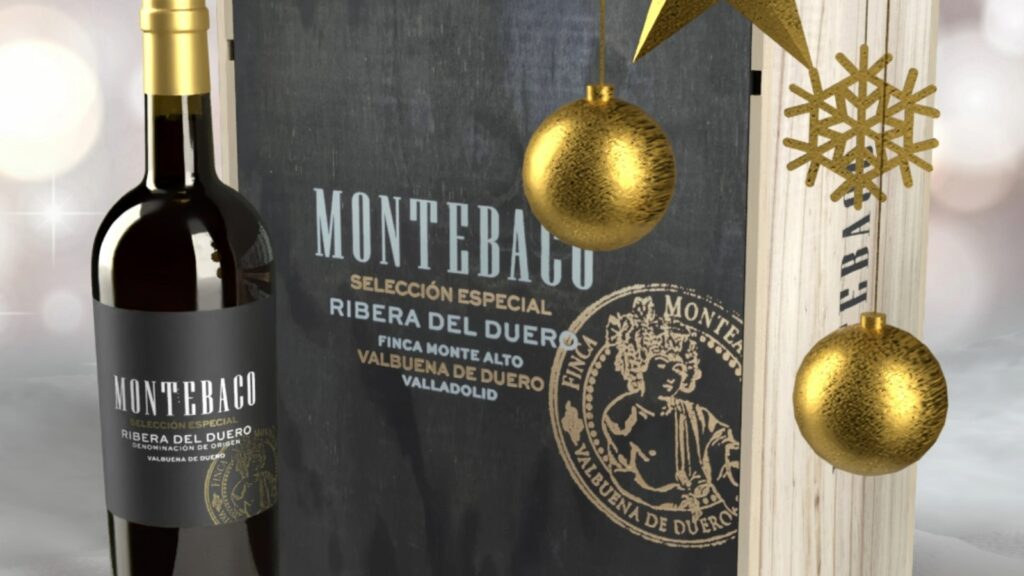
Montebaco Special Selection, if you are looking for the summit, this red is the choice. Its power, complexity and extraordinarily long finish are the testament to a year of effort in the vineyard. It is the perfect drink to celebrate a triumph or to wish maximum prosperity.
Montebaco Cara Norte is an organic Ribera del Duero (Tempranillo) that stands out for its freshness and intense black/blue fruit (blueberries, blackberries, sloes), with a cherry/violet view and a balanced palate, with good acidity and notes of the estate, aged in French oak (14 months) and aging potential.
Montebaco Semele is a red wine from Ribera del Duero, predominantly Tempranillo with Merlot, which stands out for its cherry color with garnet reflections, complex aromas of ripe black fruit (plum, blackberry), spices (cloves, cinnamon) and mineral and creamy oak notes; on the palate it is round, silky and fresh, with sweet and polished tannins, and a long and persistent finish, ideal to accompany cured meats and cheeses, at New Year’s Eve dinner.
The structure and body of Montebaco Tempranillo pair exquisitely with the sweetness of the lucky grape and the nuts that usually accompany the bells. The tannin of the wine is balanced with the sweetness and fat of the nuts, creating a harmonious dinner finish. If the New Year’s Eve dinner has been light or if you are simply looking for a fresh and aromatic alternative to cava, Montebaco Blanco Rueda is your great ally. This wine, made with Verdejo and Sauvignon Blanc, from vineyards in the D.O. Rueda, but with Montebaco’s signature of quality, it offers the liveliness needed for a memorable toast without falling into bubbles.
Vibrant and aromatic, Montebaco Blanco Rueda stands out for its aromatic intensity (fennel, tropical fruit, herbaceous nuances).
Refreshing on the palate, its natural acidity and its structured mouthfeel, thanks to the aging on lees, make it a drink that cleanses the palate and prepares you for the new year.
The dessert partner, because it pairs wonderfully with lighter desserts such as citrus fruits, mousses, soft texture nougat, and is ideal for toasting at midnight without saturating the palate with more sweetness or bubbles.
Choosing a Montebaco wine to welcome the year is choosing a toast with Denomination of Origin.
By uncorking a red wine from Montebaco, you are bringing to your table the essence of the Ribera del Duero, a territory marked by altitude and history. Wines that speak of the effort at Finca Monte Alto, a jewel between Valbuena and Pesquera de Duero.
Toasting with a wine of this quality is a gesture of appreciation for authentic and well-made things. It is a message of commitment to excellence that he wishes to project for the new cycle.
If you decide to substitute the cava for the red, remember to serve your Tinto Montebaco slightly fresher than usual, at about 14 o. This will enhance its fruity aromas and make it more vibrant for the toast. If you choose the white, the Montebaco Blanco Rueda, serve it at about 8 0 to highlight all its freshness and complexity.
This December 31st, change the pop of cork for the solemnity of uncorking and toast with the soul and character of Ribera del Duero, by the hand of Bodegas Montebaco.
Para ofrecer las mejores experiencias, utilizamos tecnologías como las cookies para almacenar y/o acceder a la información del dispositivo. El consentimiento de estas tecnologías nos permitirá procesar datos como el comportamiento de navegación o las identificaciones únicas en este sitio. No consentir o retirar el consentimiento, puede afectar negativamente a ciertas características y funciones.
Funcional
Always active
El almacenamiento o acceso técnico es estrictamente necesario para el propósito legítimo de permitir el uso de un servicio específico explícitamente solicitado por el abonado o usuario, o con el único propósito de llevar a cabo la transmisión de una comunicación a través de una red de comunicaciones electrónicas.
Preferencias
El almacenamiento o acceso técnico es necesario para la finalidad legítima de almacenar preferencias no solicitadas por el abonado o usuario.
Estadísticas
El almacenamiento o acceso técnico que es utilizado exclusivamente con fines estadísticos. El almacenamiento o acceso técnico que se utiliza exclusivamente con fines estadísticos anónimos. Sin un requerimiento, el cumplimiento voluntario por parte de tu proveedor de servicios de Internet, o los registros adicionales de un tercero, la información almacenada o recuperada sólo para este propósito no se puede utilizar para identificarte.
Marketing
El almacenamiento o acceso técnico es necesario para crear perfiles de usuario para enviar publicidad, o para rastrear al usuario en una web o en varias web con fines de marketing similares.