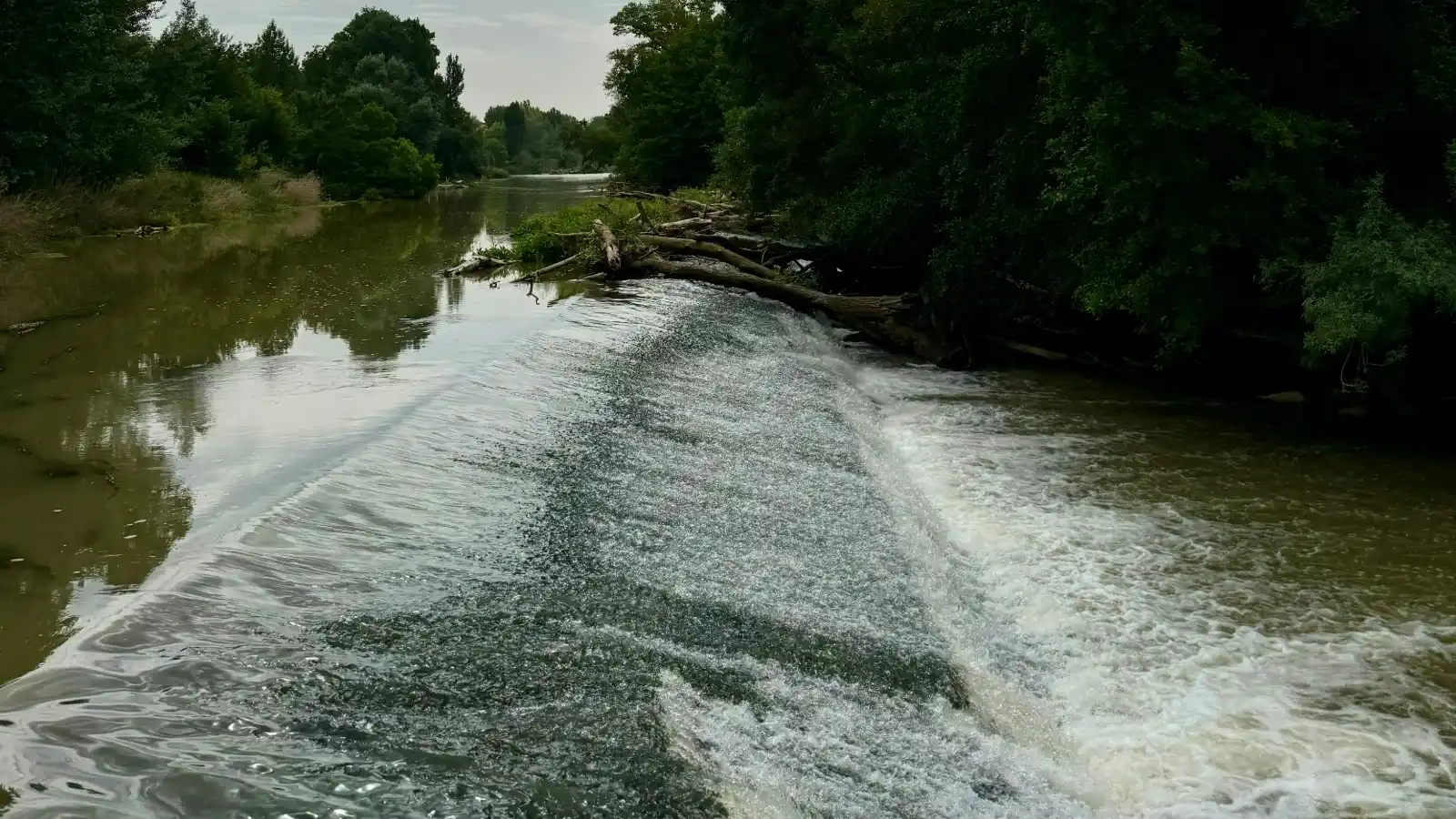
The Douro River and Wine
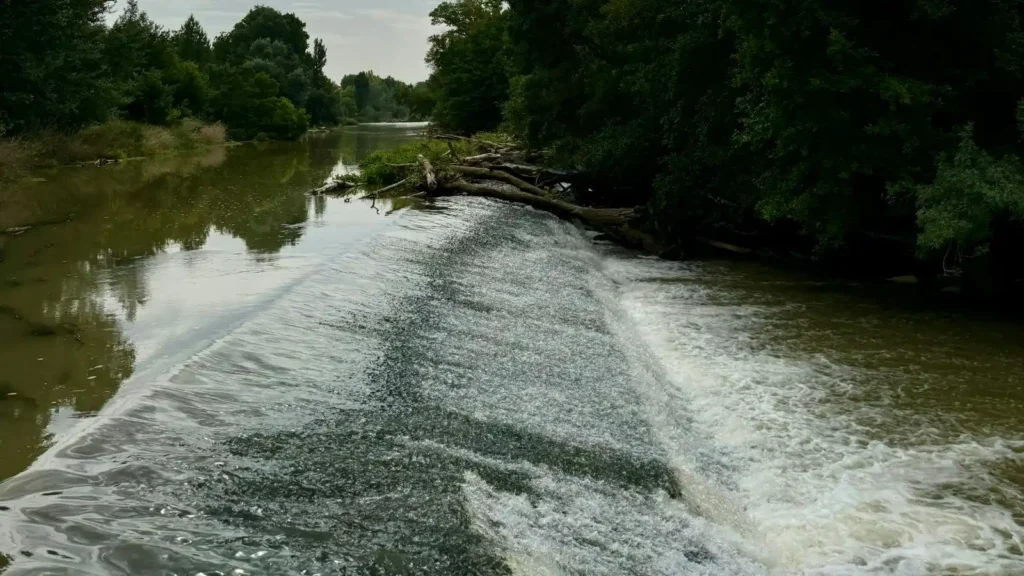
To talk about the Douro River is to talk about history, nature, culture and, above all, wine. Along more than 890 kilometres of route from the Serra de Urbión to its mouth in the Atlantic Ocean, in the Portuguese city of Porto, the Douro has shaped landscapes, favoured the development of villages and has given life to some of the most prestigious vineyards in Europe. As it passes through Castilla y León, the river becomes the authentic heart of one of the most important wine regions in Spain, where tradition and innovation coexist to produce internationally recognized wines.
The relationship between the Douro and wine dates back to Roman times. Even then, vines were cultivated on its banks, taking advantage of the extraordinary conditions of the soil and the continental climate, characterised by cold winters, warm summers and a notable temperature difference between day and night. These factors allow a slow and balanced ripening of the grapes, favouring the concentration of aromas and flavours that make the wines of the Ribera del Duero unique.
One of the municipalities that best represents this union between the river and the culture of wine is Valbuena de Duero, a town in Valladolid located in the heart of the Ribera del Duero Designation of Origin. Surrounded by extensive vineyards and bathed by the waters of the Duero, this small village has managed to preserve the charm of the winemaking tradition while becoming a benchmark for quality wine tourism.
Valbuena de Duero not only stands out for its landscape, but also for its historical heritage. The imposing Monastery of Santa María de Valbuena, founded in the twelfth century by the Cister Order, is one of the best preserved monastic complexes in Castile and León. For centuries, monks played a fundamental role in the development of vine cultivation and in the improvement of winemaking techniques, a heritage that is still perceived today in the identity of the region.
The fertile plains of the Duero and the limestone and clayey soils offer exceptional conditions for the cultivation of the Tempranillo variety, known locally as Tinta del País or Tinto Fino. This grape is the protagonist of most of the wines of Ribera del Duero, although it also coexists with other authorised varieties that provide nuances and complexity to the blends.
The river’s route through Valladolid draws a landscape in which the vineyards occupy a privileged place. In spring, the awakening of the vineyards dyes the slopes green; during the summer, the vines withstand the intense Castilian heat; And with the arrival of autumn, one of the most eagerly awaited moments of the year begins: the grape harvest. This time of year transforms the riverside villages into scenarios full of activity, where farmers, winemakers and visitors share the emotion of harvesting the fruit of a whole year of work.
La Ribera del Duero has been able to combine respect for tradition with a firm commitment to innovation. Many wineries maintain artisanal processes inherited for generations, while incorporating the most advanced technology to control the quality of each phase of production. The result is elegant, complex wines with an extraordinary ageing capacity, appreciated both in the national market and in the main international markets.
The boom in wine tourism has turned the Douro Valley into a must-see destination for wine lovers. Visits to wineries allow you to learn first-hand about the entire production process, from the vineyard to barrel ageing and bottling. In addition to this, there are guided tastings, walks through the vineyards, gastronomic activities and experiences that bring visitors closer to the essence of a land deeply linked to wine.
In this context, Valbuena de Duero occupies a prominent place. Its privileged location makes it easy to visit some of the most prestigious wineries in the Ribera del Duero, many of them internationally recognized for the quality of their wines. In addition, the tranquility of the environment, the historical heritage and the hospitality of its inhabitants make the visit an experience that goes far beyond the simple tasting.
But the Douro does not only feed the vineyards. Its waters have been fundamental for agricultural development, the supply of populations and the conservation of a valuable ecosystem. Along its route you can see riverside forests, poplars, willows and a rich fauna made up of water birds, otters and numerous species of fish. This balance between nature and human activity is one of the great attractions of the valley.
Gastronomy is another of the great allies of Douro wine. The reds of Ribera find a perfect pairing with roast lamb, one of the most emblematic dishes of Castilla y León, as well as with red meats, artisan sausages, cured cheeses and traditional stews. This combination of local produce and high-quality wines is part of the culinary identity of the region and attracts thousands of visitors every year.
The prestige achieved by Ribera del Duero wines is the result of the joint effort of winegrowers and winemakers who, generation after generation, have known how to take care of the vineyard with respect and dedication. Sustainability has also become a priority objective, with responsible agricultural practices that seek to preserve the natural environment and guarantee the quality of wines in the future.
To travel along the Douro River is to discover a territory where each town tells a different story, but they all share the same common thread: the culture of wine. From Peñafiel to Valbuena de Duero, passing through Quintanilla de Onésimo, Pesquera de Duero or Tudela de Duero, the landscape is marked by the vines that accompany the course of the river and that, every autumn, offer one of the most beautiful spectacles in the interior of Spain.
The Duero is a symbol of identity for Castilla y León. Its waters have shaped a wine culture recognized throughout the world and have turned towns such as Valbuena de Duero into benchmarks for wine tourism and oenological excellence such as Bodegas Montebaco. Those who visit these lands discover much more than excellent wines: they find history, heritage, nature and a way of understanding life in which respect for the land and tradition are still the true protagonists. Undoubtedly, a trip through the Duero Valley is an invitation to enjoy one of Spain’s great treasures with all five senses.
