Author: montebaco

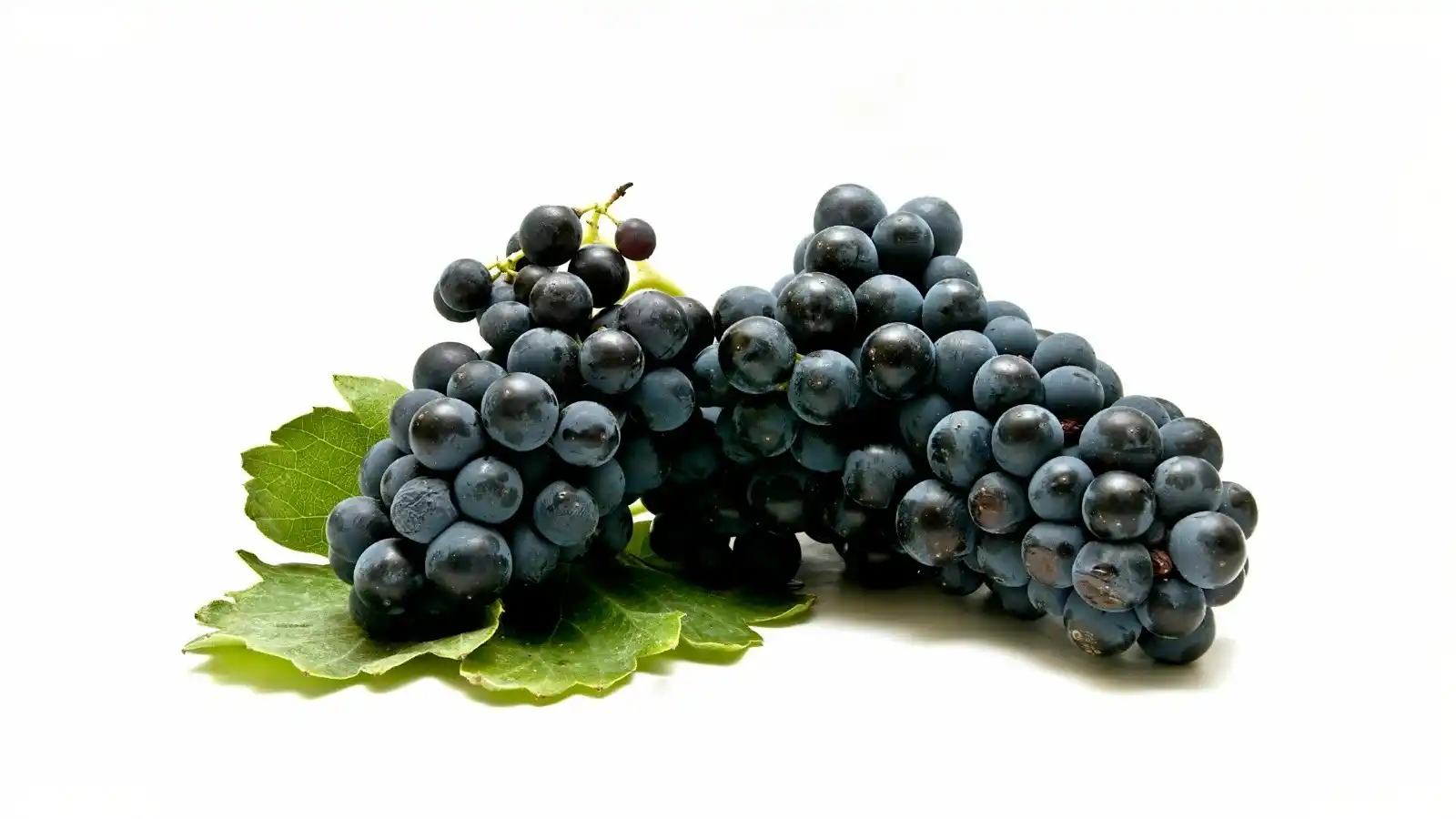
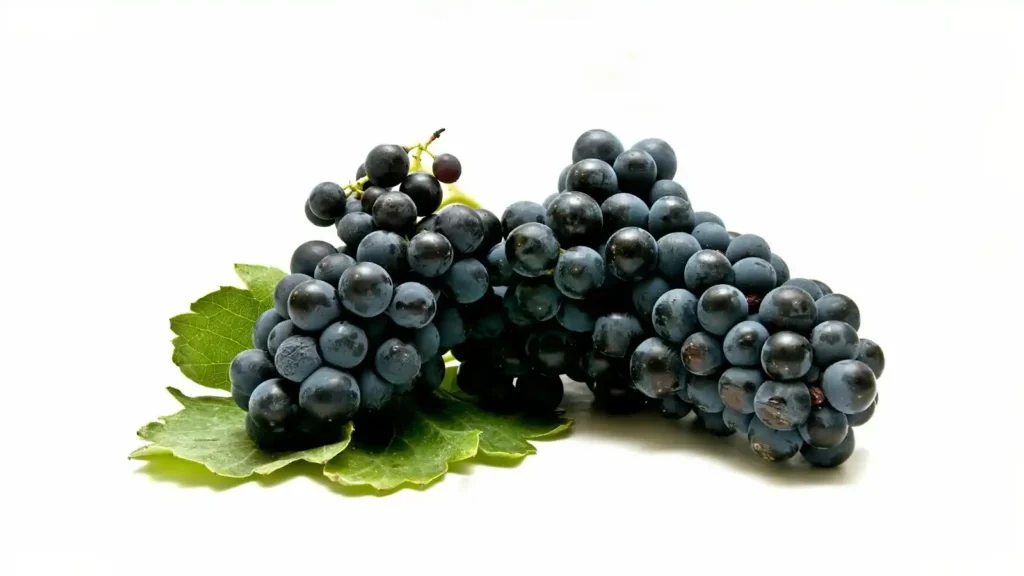
uva verdejo

Verdejo, a variety with its own identity
uva verdejo

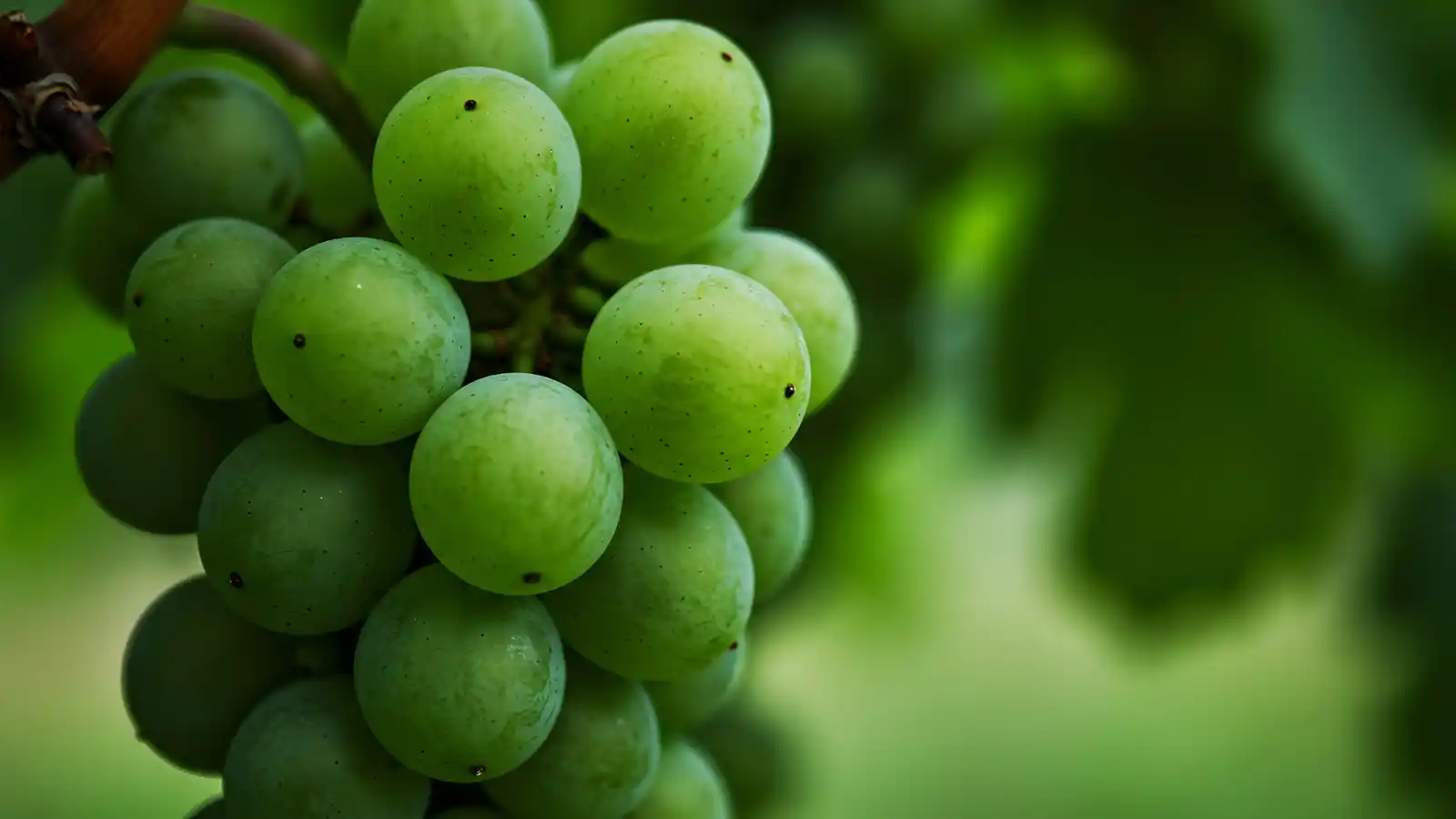
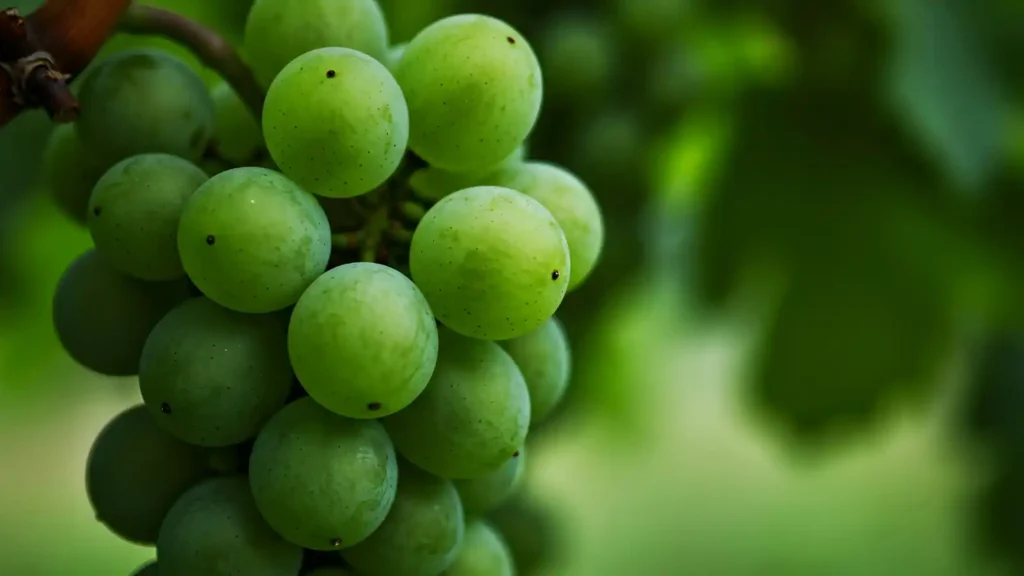
To talk about Verdejo is to talk about freshness, aromatic expression and personality. It is one of the most renowned white varieties in Spain and an essential reference when we think of vibrant, balanced wines full of nuances.

Its name is intimately linked to the Castilian plateau and, especially, to the Rueda area. There, between stony soils and a continental climate marked by strong thermal contrasts, the Verdejo grape has found its natural territory. Today, Verdejo wine represents tradition, adaptation and a very specific way of understanding Spanish white.

The Verdejo variety has historically settled in Castilla y León, especially in the current Rueda Designation of Origin. Its documented presence dates back several centuries, with references that place it back in the Middle Ages.

For centuries, the Verdejo grape was used to make wines with a more oxidative profile, with greater structure and aging capacity. Traditional production techniques gave rise to intense, ample wines with a certain alcoholic power.

With the modernization of viticulture and the incorporation of temperature control techniques in fermentation during the twentieth century, the variety showed a much fresher and more expressive aromatic facet. Since then, Verdejo wine has established itself as one of the most valued whites on the national scene.

The personality of the Verdejo grape is best understood when observing its natural environment. The Rueda area has a continental climate with cold winters and hot summers, high temperature contrast between day and night, poor, stony and well-drained soils and medium altitude that favor freshness.

These conditions allow for a slow and balanced ripening, preserving natural acidity and developing a great aromatic intensity.

The result is a wine that combines freshness, structure and depth, with a very recognizable identity standing out for its aromatic intensity and balance in the mouth. Aromas of white fruit (pear, apple), fresh citrus notes, slightly bitter and elegant background on the finish.

Verdejo wine is a great ally of the kitchen, its freshness and structure make it a versatile white that is easy to harmonize. It works especially well with white fish and seafood, rice, pasta, salads and soft cheeses. And with aged or fermented Verdejos on lees, it pairs perfectly with red meat and game.

This diversity demonstrates the variety’s ability to adapt to different oenological approaches while maintaining its varietal identity.

Although the best-known style is young and fresh wine, the Verdejo grape offers surprising versatility.

Young Verdejo is the most widespread. It is consumed in the year or shortly after the harvest. It stands out for its fruity character, its liveliness and its refreshing profile.

Verdejo fermented in barrel, part of the wine passes through wood, which provides complexity, notes of vanilla, nuts and a creamier texture in the mouth.

Verdejo on lees, it is aged in contact with its own yeasts, gaining volume, unctuousness and greater aromatic persistence.

Verdejo de guarda, a wine from old vineyards that can evolve very well in the bottle for several years, developing more mature aromas and a remarkable structure.

In the Bodegas Montebaco project, the commitment to the Verdejo grape is materialized in Montebaco Rueda, a wine that combines Verdejo and Sauvignon Blanc to provide complexity and aromatic nuance.

The Verdejo base provides structure, freshness and varietal character, while the Sauvignon Blanc adds liveliness and a more expressive aromatic profile.

The result is a balanced, vibrant and gastronomic white, designed to be enjoyed both as an aperitif and at the table. Its natural freshness makes it an ideal companion for light dishes and for those looking for a white wine with a defined personality.

Verdejo continues to evolve, expanding styles and conquering new tables. And it does so from a solid base, history, origin and character.
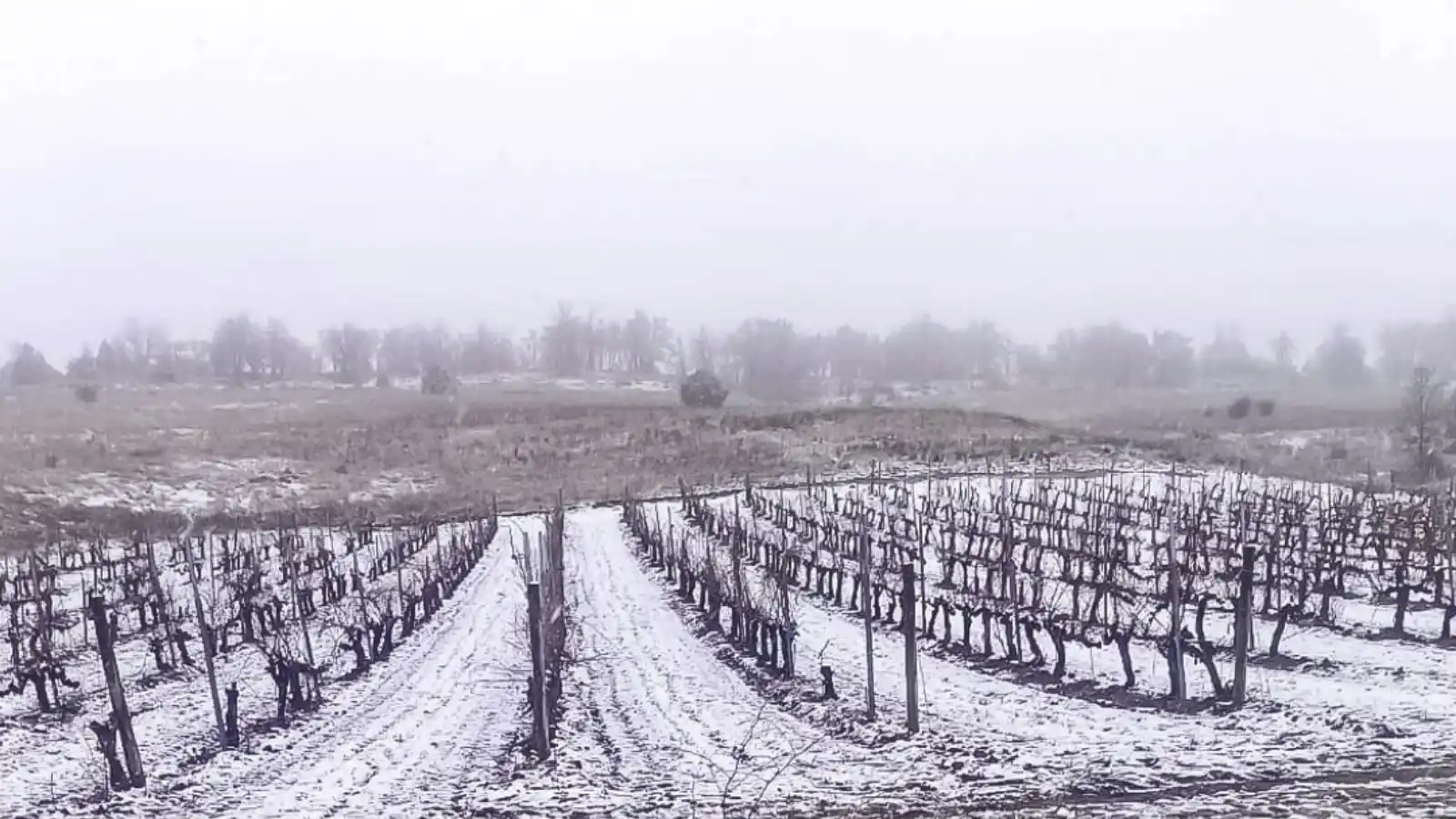
The vineyard in winter

Winter is a time of pause, silence and apparent stillness, but under the surface there are decisive processes that will mark the character of the next harvest. Understanding what happens in the vineyard during these cold months helps us to better understand the wine that will then reach the glass.

With the arrival of the cold and the decrease in daylight hours, the vine enters what is known as vegetative stoppage. It is their natural way of protecting themselves against low temperatures and conserving energy. During this phase:

  • The sap descends to the roots.
  • The plant’s metabolic activity slows down to a minimum.
  • The vine stops growing and concentrates on staying alive and strong.

This rest is essential to restart the cycle with balance in spring. In a way, winter is to the vine what deep sleep is to people, a vital necessity.

Although on the surface the vineyard seems completely asleep, the work continues under the ground. The roots are still active, especially in well-drained soil, exploring the terrain and storing reserves.

These reserves (starches and nutrients) will be essential when sprouting arrives. A vine that has spent a balanced winter will have more strength to start the cycle and develop quality clusters.

For this reason, the structure of the soil, its aeration and its drainage capacity are especially important during these months. In which the winter cold is a great ally of the vineyard:

  • It helps to eliminate pests and diseases that could affect the vine in spring.
  • Promotes a deep and homogeneous rest of the plant.
  • It contributes to a more regular budding when temperatures rise.

In areas such as Ribera del Duero, where winters are cold and marked, this factor is key to maintaining the health of the vineyard and the quality of the grapes. The balance between cold, humidity and rest is one of the bases of the character of the wines of the area.

If there is a leading job in the vineyard during the winter, it is pruning. Far from being a mechanical task, it is one of the most important decisions of the year. Pruning means choosing:

  • How many shoots will the vine have in spring.
  • How the production will be distributed.
  • What a balance there will be between vigor and quality.

At Bodegas Montebaco, pruning is carried out with a clear vision, respecting the plant, its age and its adaptation to the terrain. A well-executed pruning allows yields to be limited, to promote homogeneous ripening and, ultimately, to obtain grapes that faithfully express the vineyard from which they come.

Winter is never the same from one year to the next, and the vineyard responds to every climatic variation. Intense frosts can be beneficial if they remain within the usual values, but they also pose a risk if they are extreme or prolonged. Winter rains help to recharge the soils with water, which is essential for the dry summer months. Snow, although rare in some years, acts as a natural insulator, protecting the soil and gradually providing moisture.

The key is balance. A winter that is too mild can bring budding earlier and increase the risk of spring frosts, while an excessively harsh winter can cause stress on the plant.

Everything that happens in winter leaves its mark on the next harvest. A well-rested vine, properly pruned and adapted to the climatic conditions of the year will be able to offer grapes with greater concentration, balance and personality.

That silent work is what, months later, translates into wines with identity, such as those of Bodegas Montebaco, where the vineyard is always the starting point. Every plot, every orientation and every soil begins to define the wine long before the first green shoot appears.

Although the consumer does not always perceive it, winter is present in every bottle. In the structure of a red wine, in the freshness of a white or in the elegance of a wine that evolves over time.

When you enjoy a wine, you are also savouring the cold of January, the pruning decisions and the patience of a vineyard that knew how to wait for its moment.

At Bodegas Montebaco, we understand winter as a time of respect and observation, where every gesture counts. Because before the wine reaches the glass, there was a vineyard that knew how to listen to winter.

Ring in the New Year with Montebaco

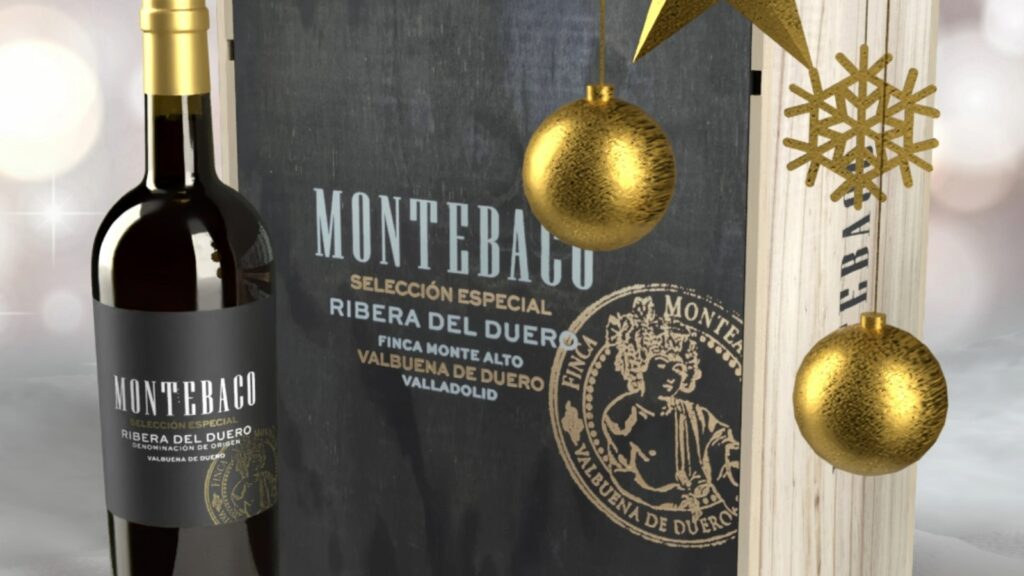
Goodbye, Cava! At midnight on December 31, tradition dictates that the sound of cava or champagne corks should fill the air. However, for those looking for a toast with character, with a story to tell and a flavor that lasts beyond the bubbles, Bodegas Montebaco offers an alternative. This year, we invite you to swap the sparkling wine for the quiet elegance of a great red or the revitalizing freshness of a white from the Montebaco family.

The New Year’s toast is a time of reflection and hope. Montebaco reds bring a different dimension to cava. Instead of a burst of fruit and acidity, the toast becomes a profound sensory experience:

Montebaco de Finca, offers a complex nose (black fruit, balsamic and spicy touches) and a structured mouth, with polished tannins that elevate the moment. Toasting with it is sealing the moment with the maturity of a great vintage.

Montebaco Special Selection, if you are looking for the summit, this red is the choice. Its power, complexity and extraordinarily long finish are the testament to a year of effort in the vineyard. It is the perfect drink to celebrate a triumph or to wish maximum prosperity.

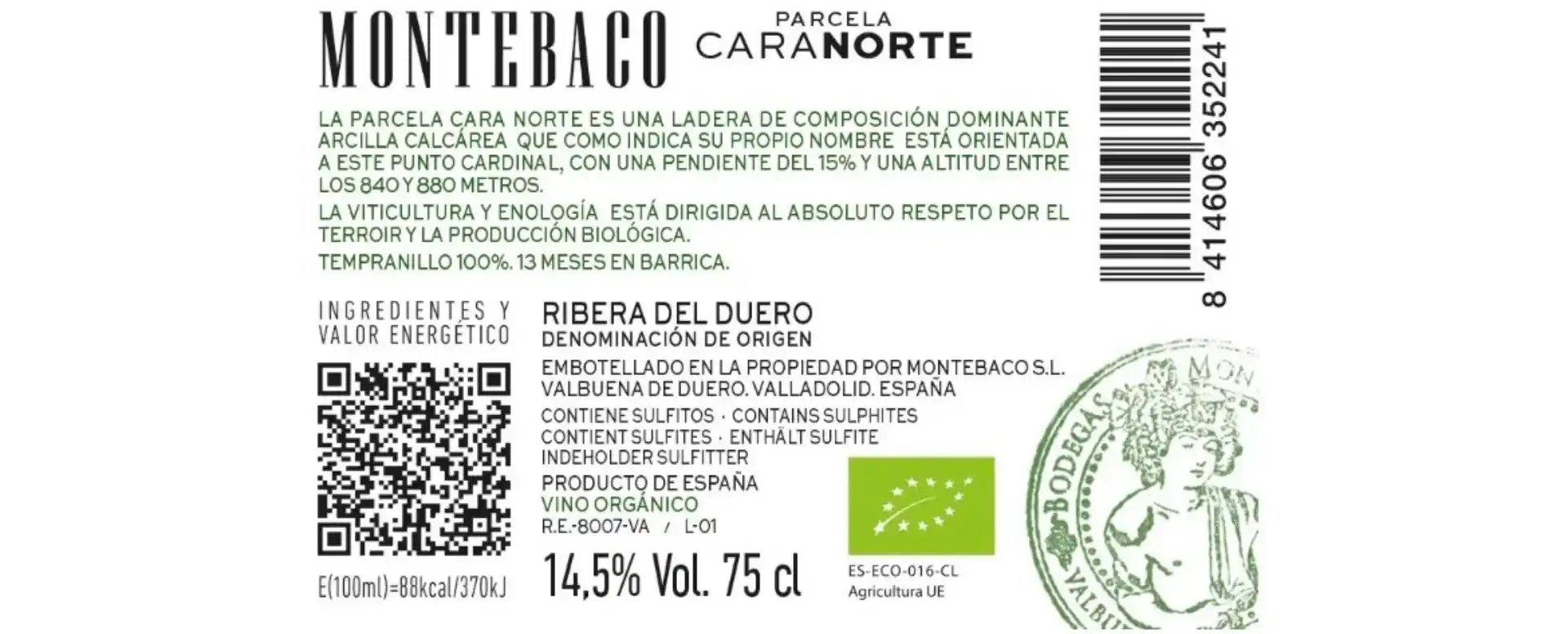
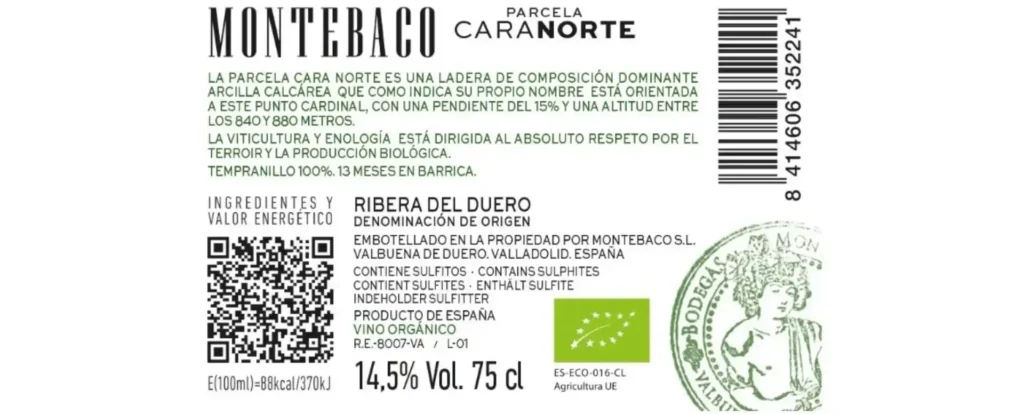
Montebaco Cara Norte is an organic Ribera del Duero (Tempranillo) that stands out for its freshness and intense black/blue fruit (blueberries, blackberries, sloes), with a cherry/violet view and a balanced palate, with good acidity and notes of the estate, aged in French oak (14 months) and aging potential.

Montebaco Semele is a red wine from Ribera del Duero, predominantly Tempranillo with Merlot, which stands out for its cherry color with garnet reflections, complex aromas of ripe black fruit (plum, blackberry), spices (cloves, cinnamon) and mineral and creamy oak notes; on the palate it is round, silky and fresh, with sweet and polished tannins, and a long and persistent finish,  ideal to accompany cured meats and cheeses, at New Year’s Eve dinner.

    The structure and body of Montebaco Tempranillo pair exquisitely with the sweetness of the lucky grape and the nuts that usually accompany the bells. The tannin of the wine is balanced with the sweetness and fat of the nuts, creating a harmonious dinner finish. If the New Year’s Eve dinner has been light or if you are simply looking for a fresh and aromatic alternative to cava, Montebaco Blanco Rueda is your great ally. This wine, made with Verdejo and Sauvignon Blanc, from vineyards in the D.O. Rueda, but with Montebaco’s signature of quality, it offers the liveliness needed for a memorable toast without falling into bubbles.

    Vibrant and aromatic, Montebaco Blanco Rueda stands out for its aromatic intensity (fennel, tropical fruit, herbaceous nuances).

    Refreshing on the palate, its natural acidity and its structured mouthfeel, thanks to the aging on lees, make it a drink that cleanses the palate and prepares you for the new year.

    The dessert partner, because it pairs wonderfully with lighter desserts such as citrus fruits, mousses, soft texture nougat, and is ideal for toasting at midnight without saturating the palate with more sweetness or bubbles.

      Choosing a Montebaco wine to welcome the year is choosing a toast with Denomination of Origin.

      By uncorking a red wine from Montebaco, you are bringing to your table the essence of the Ribera del Duero, a territory marked by altitude and history. Wines that speak of the effort at Finca Monte Alto, a jewel between Valbuena and Pesquera de Duero.

      Toasting with a wine of this quality is a gesture of appreciation for authentic and well-made things. It is a message of commitment to excellence that he wishes to project for the new cycle.

      If you decide to substitute the cava for the red, remember to serve your Tinto Montebaco slightly fresher than usual, at about 14 o. This will enhance its fruity aromas and make it more vibrant for the toast. If you choose the white, the Montebaco Blanco Rueda, serve it at about 8 0 to highlight all its freshness and complexity.

      This December 31st, change the pop of cork for the solemnity of uncorking and toast with the soul and character of Ribera del Duero, by the hand of Bodegas Montebaco.

      How to organize a tasting

      A tasting is a sensory, cultural and social experience. Organizing a wine tasting at home, in a winery or in a restaurant can be a great way to learn, share and enjoy, with friends or fellow hobbyists. It is a fun and enriching activity, which helps us to get to know new wines, different vintages and discover new nuances.

      In a previous post we explained how a tasting is carried out from a more technical approach. This time we want to show you how to organize a tasting at home, in a simple, relaxed and entertaining way, designed to enjoy with friends or family.

      You don’t need too many wines, decide on a common thread for your tasting. You can start by deciding whether the tasting is vertical or horizontal. Vertical tasting is a tasting of different vintages of the same wine, from the same winery, with the aim of observing how it evolves over time. And in a horizontal tasting, different wines from the same vintage are compared.

      Three or four references are enough to keep interest unsaturated.

      The key is to look for contrast.

      Serve the wines from less to more intensity. First a light white wine or a young red, and finish with the more structured or aged ones. This allows the palates not to be overloaded before reaching the most powerful wine.

      You already know that temperature is important. Young reds: 14/16 °C.  Reds aged or reserved: 16/18 °C.  Adapting the temperature reveals aromas and textures that a cold wine would hide.

      Prepare the atmosphere, you don’t need to turn your living room into a tasting room, but you do need to take care of some details:

      • Light, which is clear, better if it is natural or white.
      • Cups, the same for everyone, if possible transparent, so as not to mislead.
      • Large table, leave space for bottles, glasses of water, bread or some snacks.
      • Wine temperature

      The rest is about creating a good atmosphere. Soft music and, above all, a table where conversation flows.

      A fun resource is to do the blind tasting, cover the bottles in opaque sleeves or with aluminum foil, so no one knows what they are drinking and everyone concentrates more on what they feel than on what they “should” feel.

      You can also give small hints, “one of these wines is aged in barrels, which one do you think it is?”. Turning it into a game breaks formalities and encourages anyone, even those who have never done a tasting, to participate.

      It is not necessary to recite technical manuals, but it is necessary to follow a basic order so that the experience makes sense:

      • View, look at the color and intensity, always on a white background.
      • Smell, first without moving the glass, then shaking a little to release aromas.
      • Taste, a quiet sip, letting the wine run through the mouth.

      Put it simply: does it feel fresh? Does it have notes of ripe fruit? Is the tongue soft or a little dry (tannins)?  Or simply which one you like best, many times you are surprised by the choice or confirm your taste.

      The important thing is not to “get it right”, but to put words to what each one perceives.

      A tasting at home always improves with food, and here we are not talking about sophisticated pairings, but about something practical and appetizing:

      • Bread, breadsticks or picks to cleanse the palate.
      • Assorted cheeses, cured, semi-cured, blue.
      • Sausages and ham, a classic that never fails.
      • A touch of fresh produce, such as nuts or grapes.

      The trick is not to saturate with too powerful flavors that mask the wine, but to give options so that the tasting becomes a complete plan.

      To give the evening a sparkle you can prepare a couple of simple dynamics:

      • Secret Score: Each person scores each wine from 1 to 5 on a token, and at the end it is revealed which one was the favorite.
      • Descriptor game: hand out cards with words (red fruit, vanilla, leather, flowers, coffee) and let everyone choose which ones fit the wine they are tasting.
      • Pairing challenge: propose which of the wines would go best with a homemade recipe, a roast, a dessert or a tapas.

      The aim is for everyone to participate and for wine to be the common thread of the fun.

      A good tasting at home does not end with the last glass, but with a small final conversation, which wine surprised the most?, who got it right the most on the slopes?, which one would you buy again for a special dinner?

      If there has been a Montebaco wine on the table, it is the perfect time to comment on what it has contributed, its riverside character, its balanced tannins or that elegance that lends itself both to discovering in a group and to enjoying alone.

      Organizing a tasting at home is a great plan, it is simple, original and, above all, a lot of fun. You only need a few bottles, a little snacking and a desire to share. The rest is provided by conversation, curiosity and that special touch that wine has when it becomes an excuse to get together.

      Because, in the end, the important thing is not so much to decipher each aroma, it is to create a space where it is enjoyed, discovered and shared.

      The Peñín Guide and Montebaco Wineries

      The world of wine is full of references that help the aficionado and also the professional to orient themselves between bottles, regions and vintages. Among these references, the Peñín Guide occupies a prominent place, it is a reliable compass to know the quality of Spanish wines.

      What is the Peñín Guide?

      The Peñín Guide to the Wines of Spain is the reference publication of Spanish wine. It was born more than three decades ago and has become an essential tool for both professionals in the sector and wine lovers. Every year, its tasting team evaluates thousands of wines from all the wine regions of Spain, awarding an assessment based on technical and professional tasting criteria.

      The Guide, available in both physical and digital formats, offers detailed information on each wine, designation of origin, winery, grape variety, vintage and score. In addition, its online version allows you to filter results, compare vintages and explore the evolution of the wines over time.

      Due to its scope, rigour and recognition, the Peñín Guide is today the most complete benchmark for Spanish wine and a fundamental tool for those seeking guidance in an increasingly large and diverse market.

      The importance of the score of the Peñín Guide

      The Peñín Guide’s rating system follows a scale of 50 to 100 points, similar to that used by other international guides. This score allows wines to be classified according to their perceived quality in tasting:

      • 95-100 points: exceptional, world-class wine.
      • 90-94 points: excellent wine, with great expression and balance.
      • 85-89 points: very good, well-made and representative wine.
      • 80-84 points: Correct, pleasant and flawless wine.

      Higher scores not only recognize the work of wineries, but also become a sign of confidence for consumers and distributors. A good rating in the Peñín Guide can open doors to new markets and reinforce the quality image of a brand.

      The wines of Bodegas Montebaco in the Peñín Guide

      The first scores are from 2007, where the wines of Bodegas Montebaco, both the reds of the D.O. Ribera del Duero and the whites of the D.O. Rueda, have been recognized with very outstanding scores, a reflection of the constancy and quality that characterizes the work of the winery.

      Estas son las últimas puntuaciones otorgadas que valoran nuestros vinos y nos ayudan a seguir trabajando. Puedes ver puntuaciones anteriores en la ficha de cata de cada vino.

      Peñín Guide to the Wines of Spain

      2024
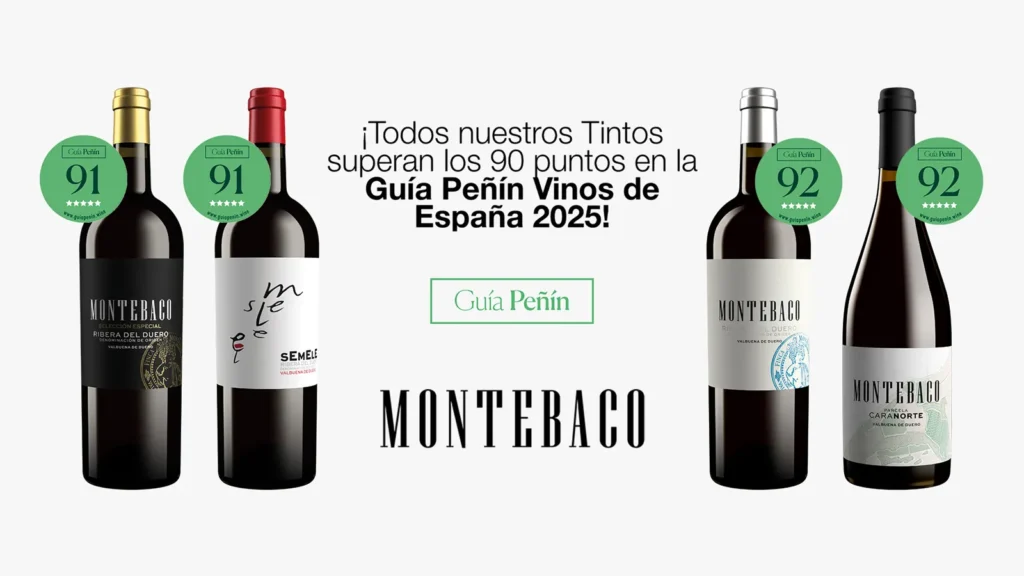
      Montebaco de Finca 2021                                      91 puntos 
      Montebaco Parcela Cara Norte 2021                90 puntos  
      Montebaco Selección Especial 2018                91 puntos  
      Semele 2022                                                 91 puntos  
      2025
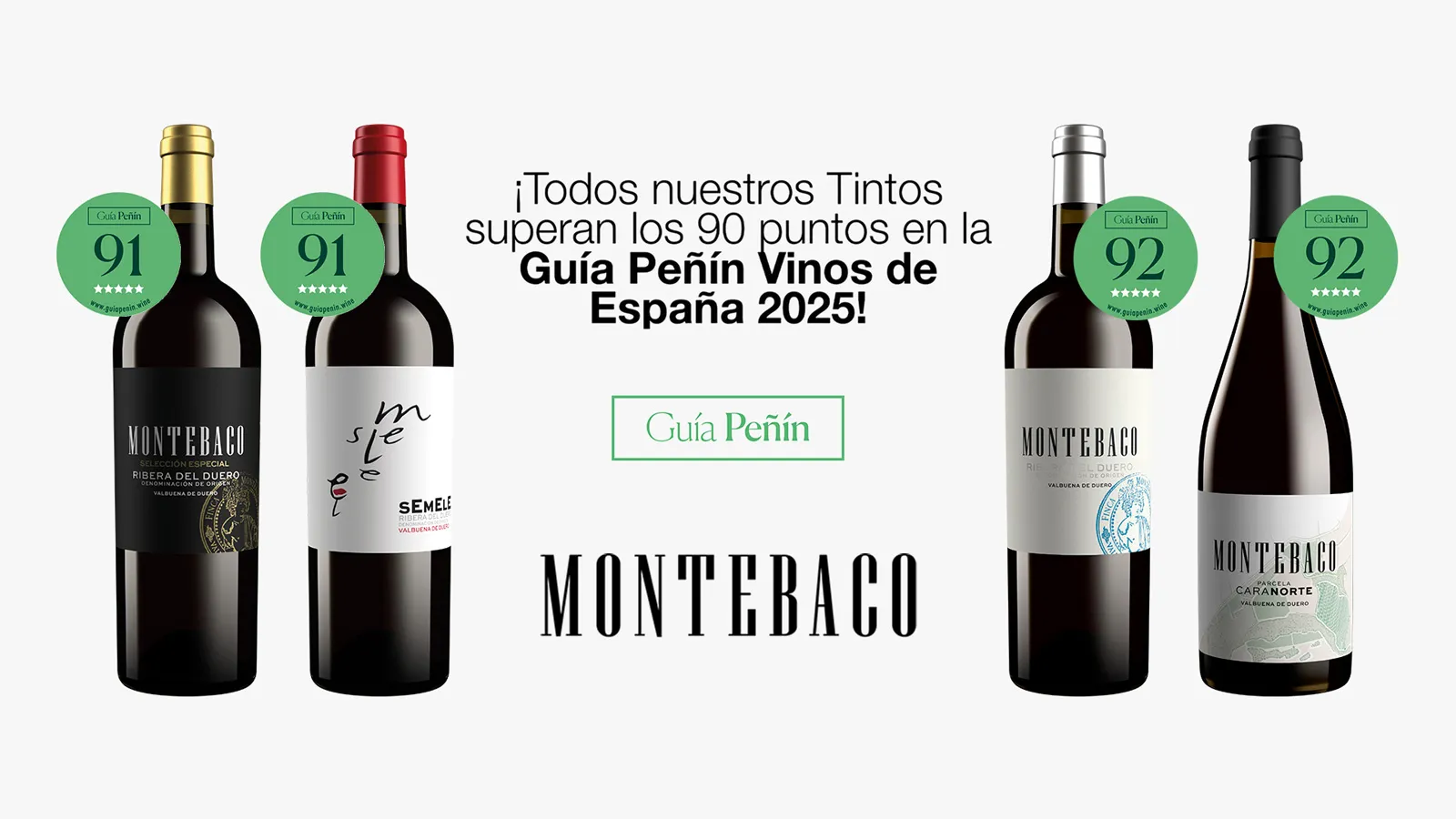
      Montebaco de Finca 2022 92 puntos
      Montebaco Parcela Cara Norte 202292 puntos
      Montebaco Selección Especial 201991 puntos  
      Semele 202391 puntos  

      The scores of the Peñín Guide confirm the regularity and qualitative level of Bodegas Montebaco wines.

      The reds from Ribera del Duero are consistently between 90 and 92 points, placing them in the range of excellent wines, with structure, depth and balance. Montebaco Selección Especial, Montebaco Cara Norte and Montebaco de Finca stand out, confirming their elegant and expressive character.

      Semele, one of the most renowned in the winery, maintains its constancy, a clear sign of continuity and coherence, also achieving 5 stars for its value for money.

      In the D.O. Rueda, the Montebaco Verdejo + Sauvignon white shows freshness and balance, with a good score, consolidating its presence as an aromatic, clean and well-defined wine.

      Together, these assessments place Montebaco in a solid position among the most consistent wineries in Ribera del Duero, with wines capable of transmitting the character of the terroir and the identity of the vineyard.

      The Peñín Guide as a mirror of a job well done

      Appearing in the Peñín Guide with outstanding scores is not an end in itself, but it is a reward for rigour and commitment to quality.

      For Bodegas Montebaco, each recognition is a confirmation of the path undertaken: to produce authentic wines, faithful to their origin and with the ability to move the consumer.

      These scores also offer the public a reliable guide when choosing, knowing that a wine has been recognized with more than 90 points in a professional tasting helps to discover new labels with confidence.

      And if Montebaco’s results demonstrate anything, it is that consistent quality is the best path to excellence, as is also recognized in the assessment made by other experts such as Tim Atkin.

      How to store wine at home

      Wine is time, work, landscape and bottled emotion. Behind each glass there is a patient process in the vineyard and in the winery, and that is why it is so important to take care of it at home as well. Good conservation can make the difference between a wine that is fully enjoyed and one that has lost some of its charm.

      Whether you are an aficionado who keeps a few bottles at home, or if you dream of creating your own collection, we give you simple guidelines, which will help you maintain the quality of your wines and enjoy them as they were conceived by the winery.

      Why is it important to preserve wine well?

      Wine is a living matter, even after bottling it continues to evolve thanks to natural chemical reactions that affect its color, aroma and flavor. This evolution can be positive if the wine is kept in good condition, but it can also be spoiled if certain care is not respected.

      A structured red wine, such as the ones we make at Bodegas Montebaco, maintains its balance of fruit and complexity if stored in the right environment. But if exposed to heat, light, or sudden changes in temperature, it will lose freshness and character much sooner than expected.

      Temperature, the number one key.

      • If there’s one golden rule of wine preservation, it’s this: keep the temperature stable.
      • Ideally, between 12 and 16 ºC is ideal.
      • Avoid extremes, below 10 ºC the wine “falls asleep”; above 20 ºC accelerates its aging.
      • Beware of sudden changes, a constant swing of heat and cold is almost worse than a slightly inadequate temperature.

      That’s why storing bottles in the kitchen is usually not a good idea, the oven, the hob or changes in humidity alter the wine more than we think.

      The importance of darkness

      The sun is wonderful for the vineyard, but the enemy of bottled wine. Ultraviolet light deteriorates aromas and colour, especially in white wines. Hence, most bottles are made of dark glass, as it is a first protection, but not sufficient.ottled wine. Ultraviolet light deteriorates aromas and colour, especially in white wines. Hence, most bottles are made of dark glass, as it is a first protection, but not sufficient.

      Whenever you can, store your wines in a place without direct light. A pantry, a cool storage room or, better yet, an electric wine cellar, are perfect allies to preserve them.

      Humidity, balance, above all.

      Cork is the silent guardian of wine. In order for it to fulfill its function, it needs a certain ambient humidity.

      • Between 60% and 80% is ideal.
      • In environments that are too dry, cork dries out, loses elasticity and allows oxygen to enter the bottle.
      • If there is excess humidity, on the other hand, molds and bad odors will appear that could affect the wine.

      A simple trick is to place a bowl of water near the bottles if you store them in a dry place.

      Bottles of wine horizontally or vertically?

      The position of the bottles also matters. The general rule is to store them horizontally, so that the wine is in contact with the cork and keeps it hydrated. This is especially important in wines designed to evolve in the bottle.

      On the other hand, if we talk about white wines such as Montebaco Rueda, which are usually enjoyed in the short term, it is okay to store them vertically for a few months.

      Silence and stillness, invisible allies.

      Although it may seem exaggerated, vibrations also influence wine. Constant movement (e.g. if bottles are stored near an appliance) can alter the evolution process.

      Wine needs rest, calm and darkness, just as it does in cellars in cellars.

      What if I don’t have a winery at home?

      You don’t have to live in a castle to store wine properly. Nowadays there are very practical options.

      • Electric wine coolers. They allow temperature and humidity to be controlled, and are an ideal solution for those who are starting to collect.
      • Air-conditioned furniture. They are increasingly common in homes where wine occupies a special place.
      • Shared spaces. Some cities have urban wineries or specialized premises that rent space to store wines in optimal conditions.

      How long can a wine be stored?

      Each wine has its own rhythm. Some are meant to be enjoyed soon, while others can gain complexity over the years.

      At Bodegas Montebaco we make wines with personality and structure, designed to evolve in the bottle, as long as the appropriate conservation conditions are respected. That’s the way to make sure each glass shows the authenticity of the vineyard and the style of the winery.

      Beyond the technical rules, let’s not forget the essentials, wine is made to be shared. Storing it well will give you the opportunity to open each bottle at the right time, to enjoy it in good company and to rediscover the story behind each vintage. The effort will be worth it when you toast with a glass that retains its character and authenticity intact.

      Preserving wine well is not complicated, it is enough to pay attention to the temperature, darkness, humidity, the position of the bottles and the absence of vibrations. By taking care of these details, you will be able to enjoy your wines as they deserve, prolong their life and discover the magic of their evolution.

      At Montebaco we believe that wine is an experience that begins in the vineyard and ends in the glass. And that experience, well preserved, becomes an indelible memory.

      The tannins of wine

      Tannins are phenolic compounds that occur naturally in many plants. In the case of wine, they come mainly from the skin, seeds and stems of the grape, as well as from the wood of the barrels in which it is aged. Tannins are responsible for that feeling of dryness or astringency that we notice in our mouth when we drink a red wine. That texture that seems to “dry” the tongue and gums is the clearest trace of its presence.

      Tannins serve several key functions:

      Structure and body. They bring firmness to the wine, giving it a backbone and helping to balance the fruit, acidity and alcohol.

      Aging capacity. They act as natural antioxidants, allowing the wine to evolve over time. A wine with well-integrated tannins can improve for years in the bottle.

      Texture. They directly influence the tactile sensation in the mouth, from soft and silky tannins to more marked and robust ones.

      Harmony in tasting. They combine with other elements of wine, such as acidity or alcohol, generating complexity.

      The term “tannin” was not born in oenology. Its origin is in the Latin verb tannare, related to the tanning of hides. For centuries, vegetable tannins were used in the leather industry for their ability to fix and preserve.

      Later, tannins began to be talked about in the field of wine, when it was observed that these compounds were not only present in the grape, but also played a decisive role in its longevity and taste sensations. Today, far from being a technicality reserved for winemakers, it is a term that any wine aficionado instantly recognizes.

      Not all tannins are the same, nor are they perceived in the same way. The grape variety, the climate, the type of winemaking and the time spent in barrels have an influence.

      Thick-skinned red grapes such as Tempranillo, the queen in Ribera del Duero, usually give rise to wines with firmer tannins.

      Thinner-skinned grapes, such as Merlot, tend to offer softer, more rounded tannins.

      Barrel ageing adds tannins from the wood, which add complexity and toasted or spicy nuances.

      A close example can be found in the Ribera del Duero, where the maturation of Tempranillo allows wines to be made with intense but balanced tannins, ideal for evolving in the bottle and gaining nuances over the years.

      Tannins do not have flavor per se, but generate a tactile sensation in the mouth. To identify them:

      • Take a sip of wine and hold it for a few seconds before swallowing.
      • Look at the tongue and gums: if you notice dryness or roughness, it’s the tannins at work.
      • The higher the concentration, the greater the feeling of roughness or structure.

      With practice, it is possible to distinguish between “sweet” tannins, which are more polished and soft, and “green” tannins, which are rougher, which usually appear when the grape has not reached its optimum ripeness.

      The astringency of tannins finds a great ally in proteins and fats. For this reason, red wines with a good tannic load pair wonderfully with red meats, stews or cured cheeses. Tannins soften the greasy sensation, while food helps round out the perception of wine.

      Over time, the tannins are transformed. In a young wine, they are usually more intense, marked and rough. As wine ages, they polymerize, which means they bond together forming longer chains and become silkier.

      Hence, the experience of drinking a young red wine from Ribera is different from that of uncorking a crianza or a reserva with years of evolution. In the first, we will perceive lively and vibrant tannins; in the second, more mature, integrated and elegant tannins.

      The magic is in the harmony, in how each winemaker manages to tame these compounds to give personality to their wine. In that sense, each glass tells a story of land, climate and tradition, where tannins are silent protagonists.

      Tannins are much more than a technical term, far from being a concept reserved for experts, tannins are part of the sensory experience that we all enjoy when drinking wine. They are responsible for the structure, texture and ageing capacity, and they explain to a large extent why a wine can excite today and continue to surprise in ten years’ time.

      The next time you uncork a bottle of Montebaco Semele, Montebaco de Finca, Montebaco CaraNorte or Montebaco Selección Especial, remember to stop at that sensation of firmness in the mouth, it is the tannins speaking to you.

      How a tasting is carried out

      How a tasting is carried out

      The process of wine tasting is a practice that combines technique, knowledge and sensitivity to evaluate the organoleptic characteristics of a wine. Through sight, smell and taste, the taster analyses aspects such as colour, aroma, texture and flavour, in order to understand their quality, state of conservation and possible pairings. Although it may seem like a simple act, tasting requires training and attention to detail, as each phase provides relevant information about the origin, production and evolution of the wine.

      The wine tasting is structured in several stages. The first is the visual phase, which allows you to get the first impressions of the wine. To do this, the crown is held by the stem and its color, intensity and brightness are observed on a white background. The color can offer clues about the variety of the grape, the age of the wine, or its production process. In red wines, for example, purple tones indicate youth, while tile or brown shades reflect evolution. In the whites, the greenish colours are characteristic of young wines, and the golden colours are characteristic of older or barrel-fermented wines. In addition to color, clarity, which reveals the absence of impurities, and fluidity are evaluated, observing the tears or legs that form when shaking the glass, indicators of alcohol and glycerin content.

      The second stage is the olfactory phase, which takes place in two stages: on the nose and after shaking the wine. In the first approach, the taster perceives the most volatile aromas. Subsequently, when shaking the glass, more aromatic compounds are released, intensifying perception. Aromas are classified into primary, secondary and tertiary. The primary ones come from the grape and can be floral, fruity or vegetable. The secondary ones are generated during fermentation and are usually reminiscent of dairy, yeast or bakery. Tertiary ones appear during aging and provide notes of wood, spices, nuts or even balsamic and animal aromas. Identifying and describing these nuances is essential to understanding the complexity and personality of wine.

      The taste phase is the most complete, as it integrates the sensations perceived in the mouth. The taster takes a small sip and distributes it throughout the oral cavity to assess the balance between the four basic tastes: sweet, sour, salty, and bitter. In wines, sweetness comes from residual sugars; acidity, from the natural acids of the grape; and bitterness, from the tannins present especially in reds. The texture or body of the wine is also analyzed, related to the sensation of density and volume in the mouth. During this phase, it is important to pay attention to the retronasal, that is, to the aromas that are perceived when exhaling through the nose while the wine is in the mouth, which allows a more complete assessment of its bouquet.

      After tasting, the aftertaste or finish of the wine is evaluated, which is the sensation that remains after swallowing or spitting. A quality wine usually leaves a long and pleasant memory, while a simpler one disappears quickly. The duration and quality of the aftertaste are decisive factors in the overall evaluation of the wine.

      In addition to the three main phases, the tasting also involves a global judgment in which the perceptions obtained are integrated. Here it is determined whether the wine is balanced, harmonious and representative of its type or denomination.

      There are different types of tasting depending on the objective. The technical tasting seeks to evaluate specific parameters and is usually carried out by oenologists or professionals. Comparative tasting allows several wines to be analysed simultaneously to appreciate their differences. There are also blind tastings, in which the identity of the wine is hidden to avoid prejudice, and hedonic tastings, aimed at the personal and subjective enjoyment of each participant.

      As an example, this is the result of some tastings of Bodegas Montebaco wines:

      Montebaco De Finca, concentrated red, bright cherry color. On the nose it is elegant, sophisticated and somewhat complex, with aromas of ripe fruit and berries, spicy notes, minerals and fine wood. On the palate it is broad and fruity, with lively and vibrant tannins. Very pleasant.

      Parcela Cara Norte, wine with personality, cherry red and violet rim. On the nose it is intense, with aromas of fruit, black fruit and fresh fruit. On the palate it is dense, with well-integrated acidity, balanced with fruity aromas such as black fruit, blueberries, blackberries and sloes.

      Montebaco Special Selection, a resounding wine that has a cherry red colour with a slightly garnet rim. On the nose it has great complexity, with intense aromas. Fruity hints of black plums and blackberries, with lactic touches. It evokes exceptional ageing in a careful wood with spicy and dark chocolate echoes along with a delicate balsamic reminiscence. On the palate it is powerful, balanced and with a magnificent flavour. Enjoy ripe and silky tannins of exceptional quality.

      Semele, a friendly and direct red wine, perfect for those who are starting out in reds aged from Ribera del Duero. On the nose it gives a perfume of blackberries and blueberries, adorned with floral notes and a spicy touch that gives it personality. On the palate it is tasty and fresh, with soft tannins that cover the palate without imposing itself.

      Beyond its evaluative function, wine tasting is also a cultural and social tool. It allows you to discover the diversity of winemaking, understand the work of winegrowers and winemakers, and foster appreciation for a product with centuries of history. Each wine tells a story of its terroir, its climate and its production, and the tasting is the means to listen to it.

      In short, wine tasting is a process that combines science, art and sensitivity. With practice and attention, anyone can develop their analytical skills and enjoy the nuances that each wine offers. It is not just about identifying flavors and aromas, but about living a sensory experience that connects with culture, gastronomy and the pleasure of sharing.

      Organic wine in the Ribera del Duero

      Organic wine has gone from being a curiosity in specialized stores to becoming a common choice among those who value sustainability, health and authenticity in the glass. But what is an organic wine really? What differentiates it from conventional wine? And why are more and more wineries opting for this way of understanding viticulture?

      What is organic wine?

      An organic wine is one made from grapes grown without pesticides, herbicides or chemical fertilizers. Organic farming methods are followed in its production, respecting the natural cycles of the vineyard, promoting biodiversity and avoiding aggressive artificial treatments.

      To be certified as a certified organic wine, the winery must follow specific practices during winemaking. The use of sulphites is limited, non-permitted additives are excluded and processes that minimise environmental impact are committed. All of this is regulated by European regulations.

      Benefits of organic wine. Choosing an organic wine is not just following a trend. It is a commitment to the planet, health and taste. Here are some of its advantages:

      Respect for the environment. Sustainable wines are produced without polluting the soil or water. The absence of chemicals protects the auxiliary fauna and improves the health of the vineyard ecosystems.

      Lower impact on health. As it does not contain pesticide residues or herbicides, organic wine is a cleaner and safer option. Ideal for those looking for a more natural and conscious consumption.

      Best expression of terroir. Many experts agree, organic viticulture allows the grape to express more faithfully the character of the soil and climate. The resulting wines are more authentic, with defined aromatic profiles and no masking.

      Support for the rural environment. Consuming organic wines from small wineries helps to keep the villages alive, generate local employment and preserve winemaking traditions that are part of the heritage.

      Requirements to be an organic wine. For a wine to be considered organic, it must meet certain requirements throughout the process:

      • Cultivation without chemical synthesis products
      • Sustainable agricultural practices, such as groundcover and biological pest control.
      • Organic winemaking, limited use of sulphites, native yeasts, minimal intervention.
      • Official certification, with the European organic logo and the seal of the competent body.

      This process of conversion to organic lasts at least three years. Only then can the wine be legally labeled as such.

      At Bodegas Montebaco we make CaraNorte, an organic high-altitude wine. This wine comes from vines grown organically at an altitude of more than 800 metres. The vineyards are located between Valbuena and Pesquera de Duero. The north orientation, together with a cooler climate, allows a slow and complete ripening of the grapes, resulting in a very clean aromatic profile, with red fruit, floral notes and a mineral background.

      Montebaco CaraNorte not only meets the requirements of a certified organic wine, it also represents a way of understanding wine as an expression of place and respect for nature. It is a clear example of how a quality organic wine can compete at the highest level, without compromising the origin or the future of the vineyard.

      Spain is one of the leading countries in terms of organic vineyard area worldwide. Every year, more wineries join this form of production, driven by the demand of an increasingly informed and demanding consumer.

      Spanish organic wine is the result of a work philosophy that seeks to protect the environment, take care of the consumer and make wines with soul. Initiatives such as that of Bodegas Montebaco with CaraNorte wine are an example that it is possible to look to the future of wine without losing the connection with the land.

      Wine lees, the value of the invisible

      In winemaking, there are elements that are protagonists from the first sip, the grape variety, the barrel aging, the terroir… But there are also silent, discreet processes that occur in the shadows of the tank or barrel and that, however, profoundly mark the quality and personality of a wine. One of them is working with lees.

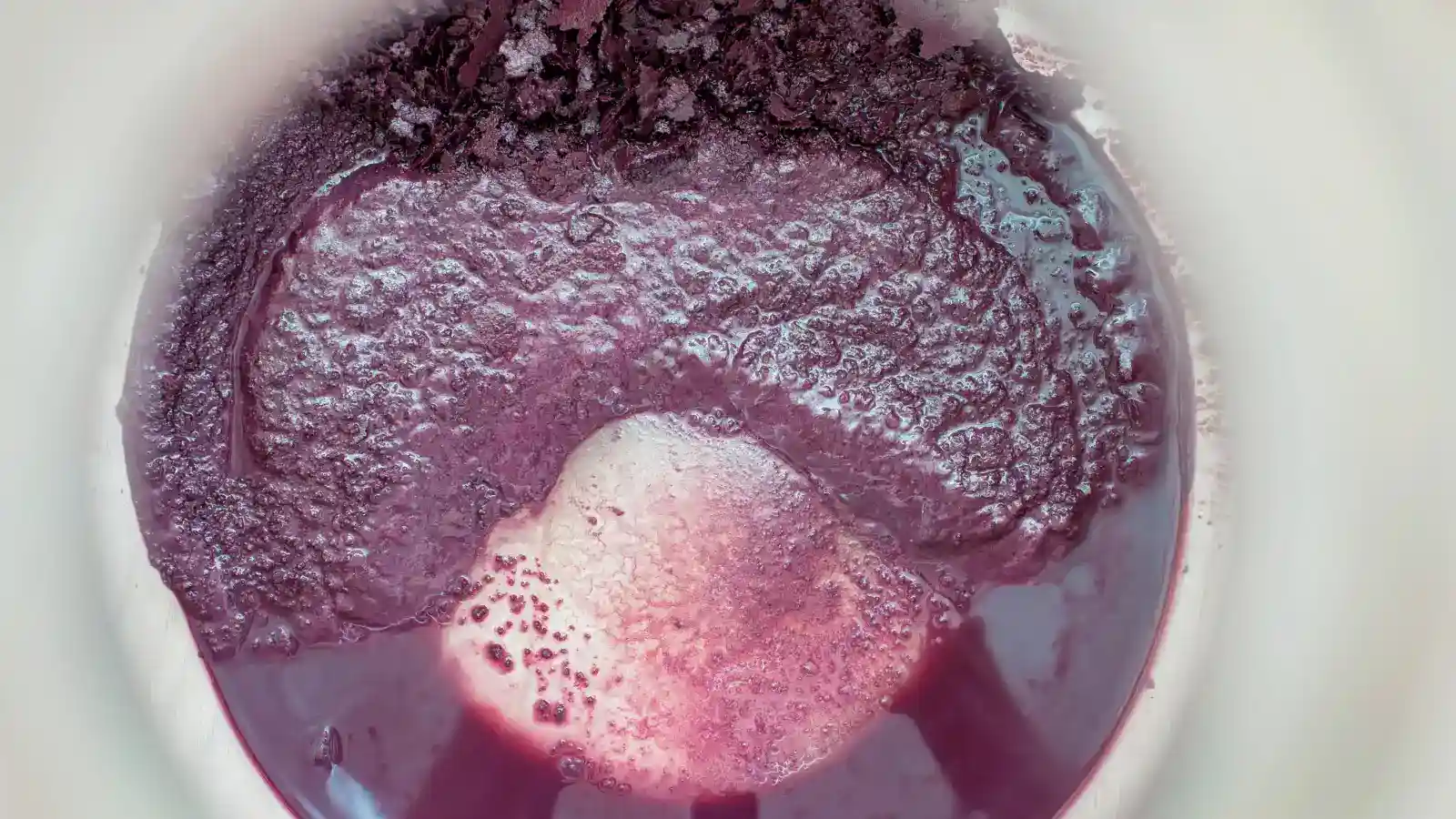
      The lees are the set of sediments that are formed at the end of alcoholic fermentation. They are mainly composed of dead yeasts (after having transformed the sugars in the must into alcohol), remains of plant cells, potassium bitartrate and other solid compounds.

      They are differentiated between coarse lees, which are deposited quickly and are usually removed at the end of fermentation, and fine lees, which are lighter and remain suspended for longer. It is precisely these fine lees that are used in ageing on lees (élevage sur lies, in French), a technique that is highly valued in both white and sparkling wines, and more occasionally in some reds.

      During aging on lees, a process known as autolysis takes place, in which dead yeasts slowly decompose, releasing compounds that enrich the wine. Among the most outstanding effects of this practice, we can point out:

      • Greater volume and greasiness in the mouth

      The polysaccharides and mannoproteins released during autolysis act as textural agents. They help the wine gain body, roundness and that enveloping sensation, which is often perceived as creaminess.

      • Aromatic complexity

      The lees give the wine notes that go beyond the primary fruit. Descriptors such as toasted bread, brioche, butter, nuts, yeast, and even certain spicy or lactic nuances appear, depending on the contact time and whether or not the batonnage (periodic removal of the lees) has been applied.

      • Physicochemical stability

      Mannoproteins also have a positive effect on the tartaric and protein stability of wine. In addition, they act as natural antioxidants, reducing the need for sulfites and allowing a slower and more harmonious evolution.

      • Increased persistence

      The aftertaste of a wine aged on lees tends to be longer and more structured, with a more solid sensation in the center of the mouth and a greater retronasal aromatic persistence.

      Ageing on lees is a common practice in several styles of wine, especially in whites with a gastronomic or ageing vocation, where the combination of fermentation in barrels and ageing on lees results in elegant and deep wines. More and more producers are opting for ageing on lees.

      An example would be Montebaco Rueda, made with grapes of the Verdejo and Sauvignon variety, aged for 3 months on lees, before bottling.

      What role does batonnage play? Batonnage consists of periodically stirring the lees to keep them suspended inside the wine. This action promotes contact between the lees and the liquid, intensifying the release of beneficial compounds.

      However, it depends on the style you are looking for. Excessive batonnage can overload the wine, make it heavy, or reduce its freshness. For this reason, many winemakers opt for static aging, where the lees rest without agitation, developing a more subtle and elegant profile.

      Working with lees requires technique, sensitivity and patience. It is not just a matter of leaving the wine with its sediments, but of knowing when to intervene, how long to maintain contact and what style of wine you are looking to build.

      When done well, the result is a more complex wine, with more nuances, texture and capacity for evolution. A wine that is not limited to liking, but generates conversation. That is not only drunk: it is analyzed, saved, remembered.

      Finca Monte Alto
      47359 Valbuena de Duero
      Valladolid

        Newsletter


        I am over 18 years old. I have read and accept the Privacy Policy *
        I agree to subscribe to the Newsletter and receive commercial communications.