
Wine fermentation
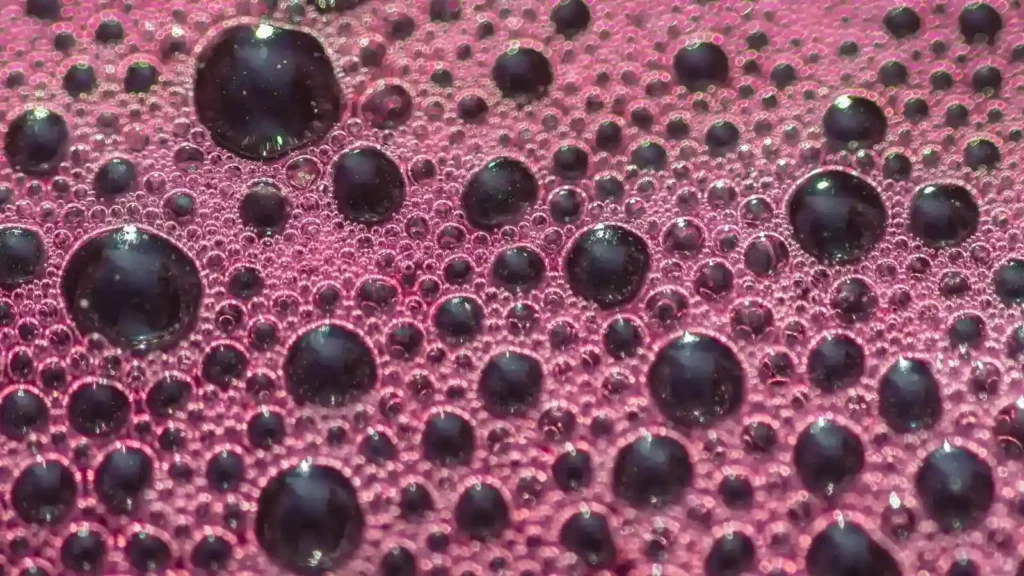
Behind each glass there is a fascinating process, fermentation, the moment when magic happens and the grape becomes wine.
The fermentation process begins in the vineyard. The quality of the wine depends on the grape, its ripeness and the terroir that sees it grow. In the vineyards of Bodegas Montebaco, located between Valbuena de Duero and Pesquera de Duero, altitude and extreme continental climate play a fundamental role in the balance of sugars and acidity.
Once harvested, the grapes are taken to the winery, where fermentation begins its chemical process, the yeasts, those invisible but essential microorganisms, get down to work.
Alcoholic fermentation is the heart of the process. The yeasts feed on the sugars present in the wort and transform them into alcohol and carbon dioxide, releasing heat along the way. Temperature plays a determining role, too much heat can kill the yeasts, and too much cold slows down the process.
Depending on the type of wine you want to obtain, fermentation takes place in stainless steel tanks, concrete or even oak barrels, each providing different nuances to the final result.
Once alcoholic fermentation is complete, it is the turn of malolactic fermentation, a process in which bacteria convert malic acid (more aggressive) into lactic acid (milder). This change reduces acidity and gives that silky and round sensation in the mouth.
Generally, this second fermentation occurs in oak barrels, which adds aromatic complexity and refinement to the whole.
The type of fermentation and the yeasts used influence the style of the wine. Young, fresh white wines are usually fermented at low temperatures with yeasts selected to preserve the varietal aromas. Red wines for aging, on the other hand, are usually fermented at higher temperatures with yeasts that provide complexity and structure.
After fermentation, the wine needs time to refine and evolve. The wines go through a meticulous aging process, where the oak provides nuances without overshadowing the fruit.
Time in barrel and bottle is essential for the tannins to soften and the aromas to integrate. Each wine has its own rhythm, and in the winery that natural cadence is respected so that when it reaches the glass, it expresses its full potential.
If the fermentation process teaches us anything, it is that wine is a balance between science and art. Controlling temperatures, choosing the exact moment for each intervention and knowing when to let nature take its course is what differentiates a common wine from an exceptional one.
Scientific research and technological innovation continue to unlock the secrets of fermentation. New yeast strains, winemaking techniques and analysis tools allow winemakers to explore new frontiers and create increasingly complex and expressive wines.
Wine fermentation, an ancient and constantly evolving process, is an art and a science that requires knowledge, passion and dedication. Each wine is the result of a unique fermentation, a reflection of the terroir, the grape variety and the winemaker’s vision.
The next time you uncork a bottle, take a moment to think about everything that happened before that wine made it into your glass. Fermentation is the soul of wine, the process that transforms it, defines it and gives it life.
