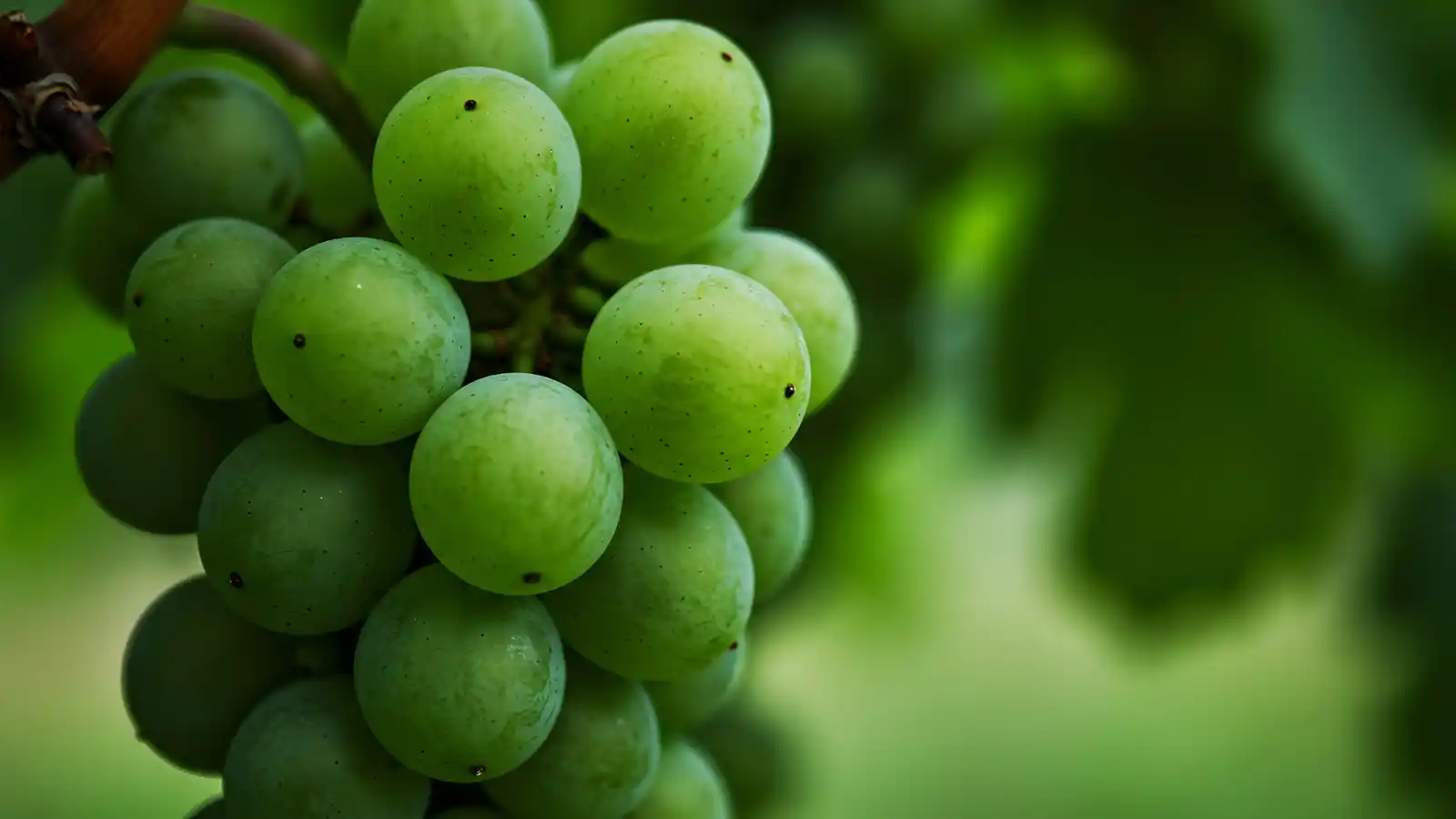
Verdejo, a variety with its own identity
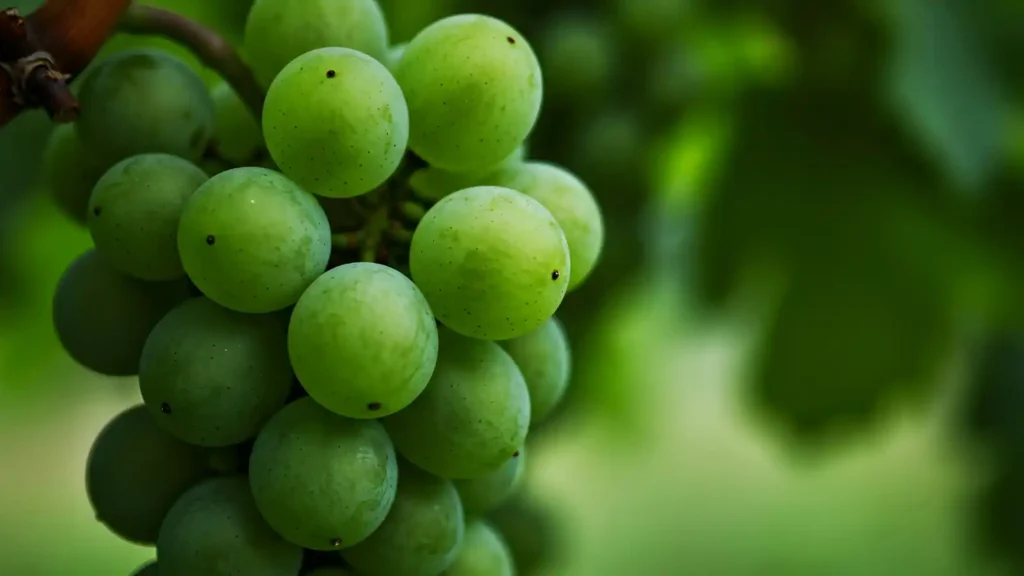
To talk about Verdejo is to talk about freshness, aromatic expression and personality. It is one of the most renowned white varieties in Spain and an essential reference when we think of vibrant, balanced wines full of nuances.
Its name is intimately linked to the Castilian plateau and, especially, to the Rueda area. There, between stony soils and a continental climate marked by strong thermal contrasts, the Verdejo grape has found its natural territory. Today, Verdejo wine represents tradition, adaptation and a very specific way of understanding Spanish white.
The Verdejo variety has historically settled in Castilla y León, especially in the current Rueda Designation of Origin. Its documented presence dates back several centuries, with references that place it back in the Middle Ages.
For centuries, the Verdejo grape was used to make wines with a more oxidative profile, with greater structure and aging capacity. Traditional production techniques gave rise to intense, ample wines with a certain alcoholic power.
With the modernization of viticulture and the incorporation of temperature control techniques in fermentation during the twentieth century, the variety showed a much fresher and more expressive aromatic facet. Since then, Verdejo wine has established itself as one of the most valued whites on the national scene.
The personality of the Verdejo grape is best understood when observing its natural environment. The Rueda area has a continental climate with cold winters and hot summers, high temperature contrast between day and night, poor, stony and well-drained soils and medium altitude that favor freshness.
These conditions allow for a slow and balanced ripening, preserving natural acidity and developing a great aromatic intensity.
The result is a wine that combines freshness, structure and depth, with a very recognizable identity standing out for its aromatic intensity and balance in the mouth. Aromas of white fruit (pear, apple), fresh citrus notes, slightly bitter and elegant background on the finish.
Verdejo wine is a great ally of the kitchen, its freshness and structure make it a versatile white that is easy to harmonize. It works especially well with white fish and seafood, rice, pasta, salads and soft cheeses. And with aged or fermented Verdejos on lees, it pairs perfectly with red meat and game.
This diversity demonstrates the variety’s ability to adapt to different oenological approaches while maintaining its varietal identity.
Although the best-known style is young and fresh wine, the Verdejo grape offers surprising versatility.
Young Verdejo is the most widespread. It is consumed in the year or shortly after the harvest. It stands out for its fruity character, its liveliness and its refreshing profile.
Verdejo fermented in barrel, part of the wine passes through wood, which provides complexity, notes of vanilla, nuts and a creamier texture in the mouth.
Verdejo on lees, it is aged in contact with its own yeasts, gaining volume, unctuousness and greater aromatic persistence.
Verdejo de guarda, a wine from old vineyards that can evolve very well in the bottle for several years, developing more mature aromas and a remarkable structure.
In the Bodegas Montebaco project, the commitment to the Verdejo grape is materialized in Montebaco Rueda, a wine that combines Verdejo and Sauvignon Blanc to provide complexity and aromatic nuance.
The Verdejo base provides structure, freshness and varietal character, while the Sauvignon Blanc adds liveliness and a more expressive aromatic profile.
The result is a balanced, vibrant and gastronomic white, designed to be enjoyed both as an aperitif and at the table. Its natural freshness makes it an ideal companion for light dishes and for those looking for a white wine with a defined personality.
Verdejo continues to evolve, expanding styles and conquering new tables. And it does so from a solid base, history, origin and character.
