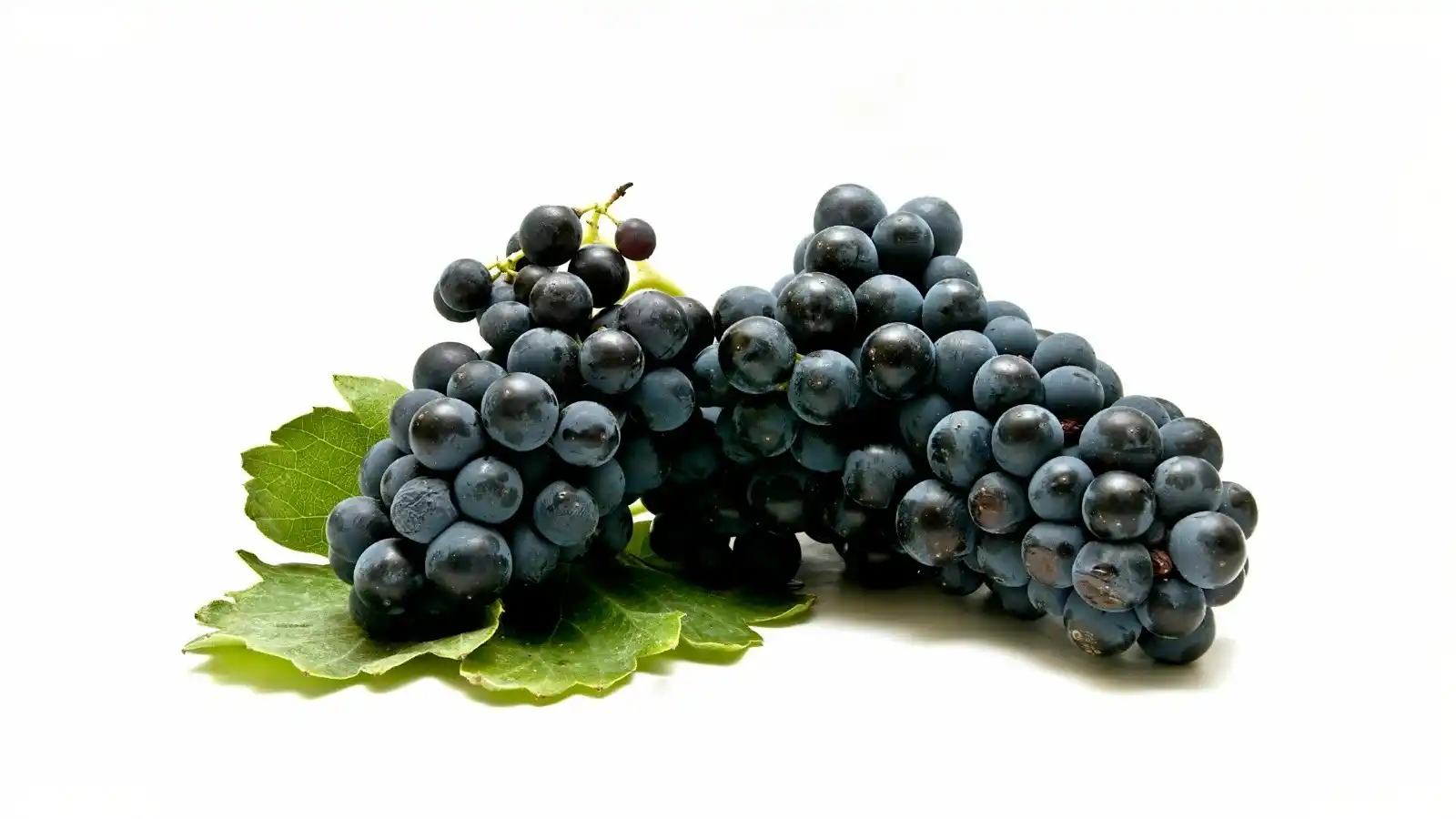
The tannins of wine
Tannins are phenolic compounds that occur naturally in many plants. In the case of wine, they come mainly from the skin, seeds and stems of the grape, as well as from the wood of the barrels in which it is aged. Tannins are responsible for that feeling of dryness or astringency that we notice in our mouth when we drink a red wine. That texture that seems to “dry” the tongue and gums is the clearest trace of its presence.
Tannins serve several key functions:
Structure and body. They bring firmness to the wine, giving it a backbone and helping to balance the fruit, acidity and alcohol.
Aging capacity. They act as natural antioxidants, allowing the wine to evolve over time. A wine with well-integrated tannins can improve for years in the bottle.
Texture. They directly influence the tactile sensation in the mouth, from soft and silky tannins to more marked and robust ones.
Harmony in tasting. They combine with other elements of wine, such as acidity or alcohol, generating complexity.
The term “tannin” was not born in oenology. Its origin is in the Latin verb tannare, related to the tanning of hides. For centuries, vegetable tannins were used in the leather industry for their ability to fix and preserve.
Later, tannins began to be talked about in the field of wine, when it was observed that these compounds were not only present in the grape, but also played a decisive role in its longevity and taste sensations. Today, far from being a technicality reserved for winemakers, it is a term that any wine aficionado instantly recognizes.
Not all tannins are the same, nor are they perceived in the same way. The grape variety, the climate, the type of winemaking and the time spent in barrels have an influence.
Thick-skinned red grapes such as Tempranillo, the queen in Ribera del Duero, usually give rise to wines with firmer tannins.
Thinner-skinned grapes, such as Merlot, tend to offer softer, more rounded tannins.
Barrel ageing adds tannins from the wood, which add complexity and toasted or spicy nuances.
Tannins do not have flavor per se, but generate a tactile sensation in the mouth. To identify them:
- Take a sip of wine and hold it for a few seconds before swallowing.
- Look at the tongue and gums: if you notice dryness or roughness, it’s the tannins at work.
- The higher the concentration, the greater the feeling of roughness or structure.
With practice, it is possible to distinguish between “sweet” tannins, which are more polished and soft, and “green” tannins, which are rougher, which usually appear when the grape has not reached its optimum ripeness.
The astringency of tannins finds a great ally in proteins and fats. For this reason, red wines with a good tannic load pair wonderfully with red meats, stews or cured cheeses. Tannins soften the greasy sensation, while food helps round out the perception of wine.
Over time, the tannins are transformed. In a young wine, they are usually more intense, marked and rough. As wine ages, they polymerize, which means they bond together forming longer chains and become silkier.
Hence, the experience of drinking a young red wine from Ribera is different from that of uncorking a crianza or a reserva with years of evolution. In the first, we will perceive lively and vibrant tannins; in the second, more mature, integrated and elegant tannins.
The magic is in the harmony, in how each winemaker manages to tame these compounds to give personality to their wine. In that sense, each glass tells a story of land, climate and tradition, where tannins are silent protagonists.
Tannins are much more than a technical term, far from being a concept reserved for experts, tannins are part of the sensory experience that we all enjoy when drinking wine. They are responsible for the structure, texture and ageing capacity, and they explain to a large extent why a wine can excite today and continue to surprise in ten years’ time.
The next time you uncork a bottle of Montebaco Semele, Montebaco de Finca, Montebaco CaraNorte or Montebaco Selección Especial, remember to stop at that sensation of firmness in the mouth, it is the tannins speaking to you.
