How to organize a tasting
A tasting is a sensory, cultural and social experience. Organizing a wine tasting at home, in a winery or in a restaurant can be a great way to learn, share and enjoy, with friends or fellow hobbyists. It is a fun and enriching activity, which helps us to get to know new wines, different vintages and discover new nuances.
In a previous post we explained how a tasting is carried out from a more technical approach. This time we want to show you how to organize a tasting at home, in a simple, relaxed and entertaining way, designed to enjoy with friends or family.
You don’t need too many wines, decide on a common thread for your tasting. You can start by deciding whether the tasting is vertical or horizontal. Vertical tasting is a tasting of different vintages of the same wine, from the same winery, with the aim of observing how it evolves over time. And in a horizontal tasting, different wines from the same vintage are compared.
Three or four references are enough to keep interest unsaturated.
The key is to look for contrast.
Serve the wines from less to more intensity. First a light white wine or a young red, and finish with the more structured or aged ones. This allows the palates not to be overloaded before reaching the most powerful wine.
You already know that temperature is important. Young reds: 14/16 °C. Reds aged or reserved: 16/18 °C. Adapting the temperature reveals aromas and textures that a cold wine would hide.
Prepare the atmosphere, you don’t need to turn your living room into a tasting room, but you do need to take care of some details:
- Light, which is clear, better if it is natural or white.
- Cups, the same for everyone, if possible transparent, so as not to mislead.
- Large table, leave space for bottles, glasses of water, bread or some snacks.
- Wine temperature
The rest is about creating a good atmosphere. Soft music and, above all, a table where conversation flows.
A fun resource is to do the blind tasting, cover the bottles in opaque sleeves or with aluminum foil, so no one knows what they are drinking and everyone concentrates more on what they feel than on what they “should” feel.
You can also give small hints, “one of these wines is aged in barrels, which one do you think it is?”. Turning it into a game breaks formalities and encourages anyone, even those who have never done a tasting, to participate.
It is not necessary to recite technical manuals, but it is necessary to follow a basic order so that the experience makes sense:
- View, look at the color and intensity, always on a white background.
- Smell, first without moving the glass, then shaking a little to release aromas.
- Taste, a quiet sip, letting the wine run through the mouth.
Put it simply: does it feel fresh? Does it have notes of ripe fruit? Is the tongue soft or a little dry (tannins)? Or simply which one you like best, many times you are surprised by the choice or confirm your taste.
The important thing is not to “get it right”, but to put words to what each one perceives.
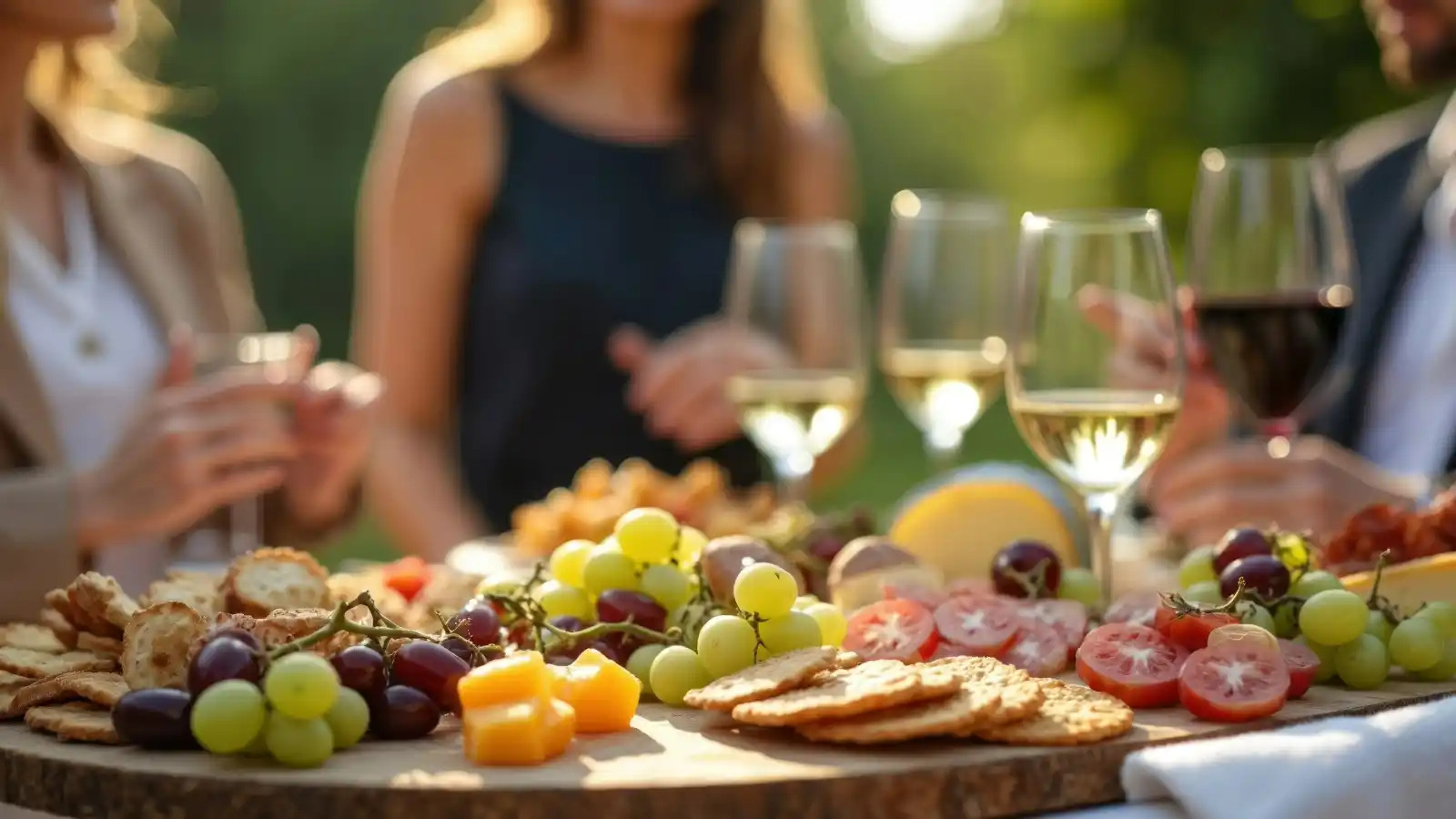
A tasting at home always improves with food, and here we are not talking about sophisticated pairings, but about something practical and appetizing:
- Bread, breadsticks or picks to cleanse the palate.
- Assorted cheeses, cured, semi-cured, blue.
- Sausages and ham, a classic that never fails.
- A touch of fresh produce, such as nuts or grapes.
The trick is not to saturate with too powerful flavors that mask the wine, but to give options so that the tasting becomes a complete plan.
To give the evening a sparkle you can prepare a couple of simple dynamics:
- Secret Score: Each person scores each wine from 1 to 5 on a token, and at the end it is revealed which one was the favorite.
- Descriptor game: hand out cards with words (red fruit, vanilla, leather, flowers, coffee) and let everyone choose which ones fit the wine they are tasting.
- Pairing challenge: propose which of the wines would go best with a homemade recipe, a roast, a dessert or a tapas.
The aim is for everyone to participate and for wine to be the common thread of the fun.
A good tasting at home does not end with the last glass, but with a small final conversation, which wine surprised the most?, who got it right the most on the slopes?, which one would you buy again for a special dinner?
Organizing a tasting at home is a great plan, it is simple, original and, above all, a lot of fun. You only need a few bottles, a little snacking and a desire to share. The rest is provided by conversation, curiosity and that special touch that wine has when it becomes an excuse to get together.
Because, in the end, the important thing is not so much to decipher each aroma, it is to create a space where it is enjoyed, discovered and shared.
